
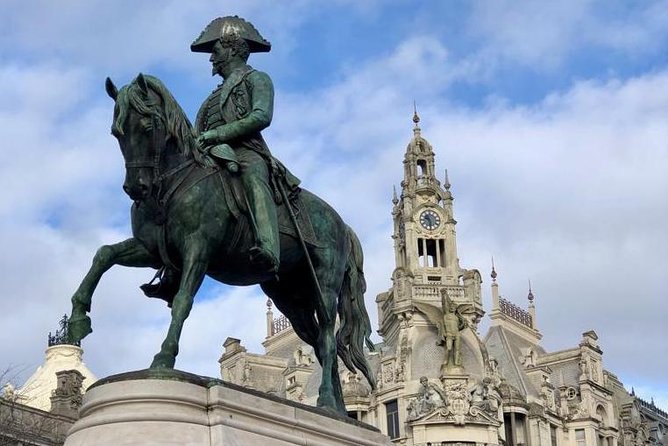
Reviewed · WALKING TOURS
Porto Walking Tour
Porto gets interesting fast on foot, especially when someone ties the streets to Portugal’s political twists and everyday life. This 3-hour walk threads the city from the Sé Cathedral area toward São Bento Station, with stops that make history feel close, not like a textbook. The guides (names like Nuno, David, Sid, and Davi come up in feedback) also bring humor and real local perspective, which makes it easier to stay engaged.
Two things I really like about this tour are the efficient route and the port tasting stop. You cover major sights without feeling like you’re sprinting, and you get a snack break that actually fits the story of Porto. One consideration: Porto has steep, narrow streets with cobbles and varying gradients, so good shoes matter.
You start at Rua de São Filipe de Nery at 10:00 am and finish near the Douro River at Praça Ribeira. It’s offered in English, with a mobile ticket, and the group is capped at 15 people, so you can ask questions and keep the pace comfortable.
Key highlights you’ll feel on this walk
- A tight 3-hour loop that connects Porto’s landmark buildings to the big moments in Portuguese history
- Port tasting included, with help for tasting like a grown-up, not just sipping and guessing
- Hilltop viewpoints at Miradouro da Vitória, where you understand the city layout instantly
- São Bento’s interior as the grand finale, with tile art that rewards slow looking
- Small group size (max 15), which keeps the guide focused on your questions
- A mix of old and 20th-century Portugal, from Roman-era roots through Salazar-era themes
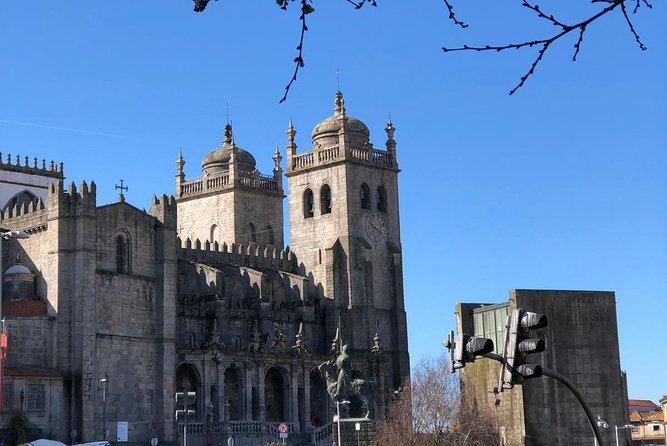
Starting by Sé Cathedral, and getting the “why” of Porto
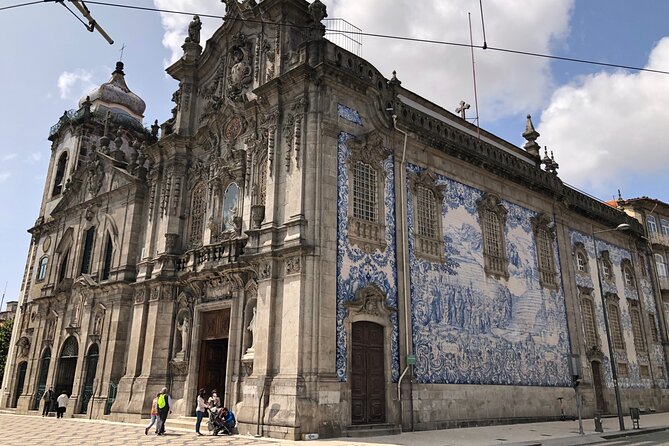
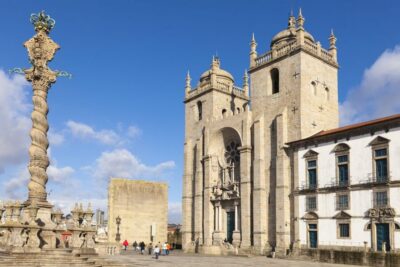
The tour begins near Rua de São Filipe de Nery, close to the Cathedral of Porto area. This first stretch matters because you’re not just collecting famous buildings, you’re getting the city’s logic: why Porto developed where it did, how power and religion shaped the streets, and how the river helped everything grow.
Expect the guide to frame Porto as a working city with layers. You’ll hear the long timeline, including references to early Roman influence and how traditions have survived through invasions and upheavals. I like this approach because it makes the rest of the walk feel connected, not random.
You’ll also be nudged to look at details you might otherwise miss: the “message” behind architecture, and how certain places always seem to matter in Portuguese storytelling.
More walking tours in Porto:
- Porto Walking Tour, Lello Bookshop, River Cruise and Cable Car
★ 5.0 · 3,354 reviews - Experience Porto’s Charm: 3-Hour Guided Walking Tour
★ 5.0 · 2,432 reviews - Porto: 3-Hour Guided City Highlights Walking Tour
★ 4.8 · 2,050 reviews
Jardim da Cordoaria and the Tribunal, where Salazar-era power shows up in architecture
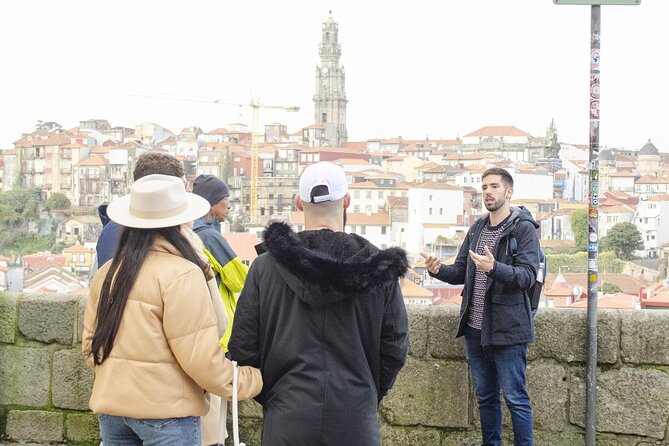
One of the most interesting early stops is Jardim da Cordoaria, followed by the area around the Tribunal do Porto. The guide brings in the dictatorship of Salazar, and the key value here is perspective. Instead of treating the era like a distant political lecture, you connect it to institutions, courts, and how authority operates in real spaces.
This is the kind of stop that can be a little heavy if you’re not in the mood. But it’s also one of the parts that makes the walk feel grown-up. Porto is not only romance and tiles, it also has chapters of control, fear, and resistance, and the tour helps you read the city through that lens.
Practical note: this is the part where you’ll likely feel the walking coming in. Take it steady on the transitions between streets and viewpoints.
Torre dos Clérigos, Porto’s signature vertical landmark
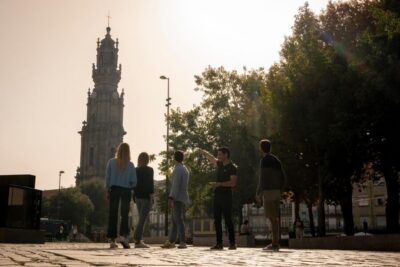
After that, the route leads toward the Torre dos Clérigos, described as the city’s “ex-libris.” Even if you don’t go up inside the tower, you’ll feel why it matters. It’s a built landmark for orientation, and it also anchors religious and artistic influence in the city’s skyline.
This stop is where the tour starts mixing big ideas with street-level reality. The guide links religious institutions to Porto’s political story and explains how different churches and facades shaped the city’s identity over time. If you enjoy understanding “how to read” a place, this is a good moment to switch gears from sightseeing to interpretation.
The upside: you get a recognizable anchor point for photos and orientation. The potential downside: it can be busy around landmark areas, so patience is part of the deal.
Miradouro da Vitória, Napoleonic invasion and civil war from above
Then you head to Miradouro da Vitória, which is one of the best ways to understand Porto quickly. From the viewpoint, the city’s hills and winding neighborhoods make sense. The guide uses that panoramic setting to discuss the Napoleonic invasion and the Portuguese Civil War of the 1800s.
I like this stop because it’s where “history” stops being abstract. You can literally see why certain places mattered, and why movement and defense were complicated in a city built around steep terrain.
Also, viewpoints are where you get a natural reset. Even if you’re eager to keep going, you’ll have a moment to slow down, take in the river and rooftops, and let the earlier political context click.
Another way to spend your time in Porto:
- The Unvanquished Tour in Porto City Center
★ 5.0 · 26,497 reviews - From Porto: Douro Valley w/ Boat Tour, Wine Tasting & Lunch
★ 4.7 · 19,061 reviews - Complete Douro Valley Wine Tour with Lunch, Wine Tastings and River Cruise
★ 5.0 · 12,920 reviews - Porto: Live Fado Show with Glass of Port Wine
★ 4.8 · 6,498 reviews
Rua and Avenida connections, why Porto’s old streets still teach you modern habits
After the viewpoint, the walk continues past Avenida da Liberdade and through the historic neighborhood feel that makes Porto worth lingering in. This is the stretch that often separates a “sights tour” from an actual city walk.
Porto’s old core can feel like a maze, but the guide helps you understand continuity. You’ll hear how traditions and daily life persist, even as the city changes. And you’ll likely pass several noteworthy areas that visitors love, including iconic streets mentioned in feedback like Rua das Flores and landmarks people associate with Porto’s cultural life.
If you’re the type who likes to ask quick questions on the fly, this portion is usually a good time. The guide’s job is to keep you oriented and moving, while also giving you reasons to notice the small stuff: the way churches relate to surrounding streets, how certain buildings reflect changing priorities, and how neighborhoods hold onto their character.
Two practical tips here:
- Plan for slow walking in narrow spots, especially if you’re traveling with kids or anyone who tires easily.
- Keep an eye on your footing. Cobblestones plus slopes can be a sneaky combo.
Finishing inside São Bento Station, the tile-filled grand finale
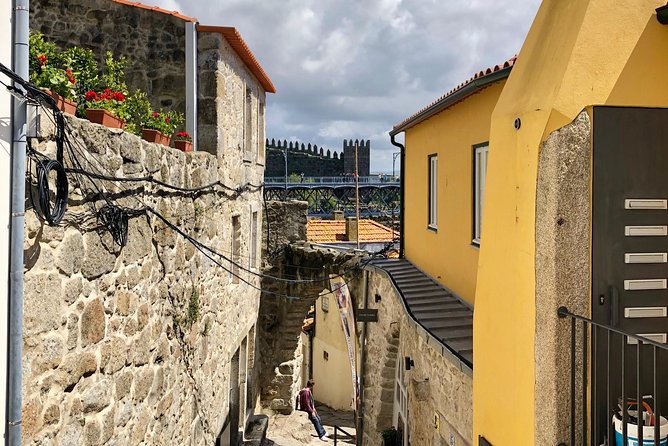
The tour ends inside São Bento Station. This is a smart choice for a finale because it’s dramatic in a calm way. The station is an old convent, and the space is known for being one of the most beautiful train stations in the world, largely because of its famous tile artwork.
What makes this ending satisfying is how it ties to the rest of the walk. You end in a place that is both functional and cultural. It’s where daily movement meets art, and it gives you a “pause” after the earlier outdoor viewpoints.
If you like trains, you’ll feel extra excited here. If you don’t, you’ll still enjoy it. The tiles reward time, and you’ll get context for what you’re seeing, not just a photo stop.
And because you finish near the river area, you can easily turn this into your first evening plan. You’re already positioned to explore at a relaxed pace.
The port tasting stop, how to taste Porto without guessing
A standout part of the experience is the port tasting, which some groups describe as including a single glass of port plus a light snack. This isn’t just a freebie. It’s a connection point between Porto the city and Porto the product.
The guide explains what to look for, and helps you understand why Porto tasting matters in the city’s history and identity. You’ll also get tips for tasting like you care: where quality comes from, what to pay attention to, and how to confirm provenance when you’re buying later.
If you’re not sure you like port, don’t panic. This stop is more educational than heavy-handed. You’re given a taste, some context, and an off-ramp to decide what you want next.
Pace, shoes, and group size: what “easy pace” means in hilly Porto
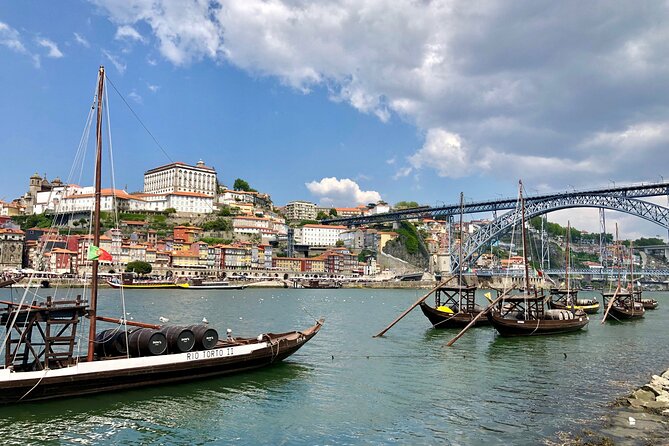
This is a walking tour, and Porto is not flat. Expect steep, narrow streets, cobbled pavements, and varying gradients. Even if the guide keeps the pace friendly, your legs will notice you’re in a real city walk.
The good news: the tour is designed to be manageable. Feedback highlights an easy pace and a walk that stays engaging without feeling exhausting. With that said, comfortable shoes are non-negotiable. If your travel style is sandals and flexible plans, switch to something sturdier.
Group size is capped at 15 travelers, which also helps pace. Smaller groups mean fewer bottle-necks at viewpoints and better flow inside tight streets.
Best fit:
- First-timers who want their bearings fast
- History lovers who prefer stories tied to real buildings
- Wine and port drinkers who want tasting context
- Families with older kids who can handle 3 hours of walking
Value at about $24: why this feels like a smart buy
At $24.14 per person for an approx 3-hour walk, the value comes from what’s included and how the time is used.
You’re paying for:
- A guided route that covers a cluster of key sights in an efficient geographic flow
- Context that links political history to architecture and public spaces
- A port tasting stop with a light snack, which adds a real cultural break
- A small group cap that makes questions possible, not just nodding along
If you were to do the landmarks on your own, you’d still pay for transport, entrance tickets you might not know about, and your time would likely be less efficient. This tour helps you spend your energy where it counts: learning enough to enjoy your next stops, and leaving Porto with a mental map.
Booking demand also suggests it’s popular, with an average booking window around 6 days in advance. If your dates are firm, I’d book early so you can match your schedule.
Quick practical checklist before you go
Here’s what I’d do so the walk feels smooth:
- Wear grippy shoes for cobbles and slopes
- Bring water, especially if it’s warm
- Keep your phone charged, because you’ll want photos at viewpoints and around landmark areas
- Arrive a bit early to the start point at Rua de São Filipe de Nery so you’re not rushing into the first stories
The tour is offered in English, uses a mobile ticket, and is described as near public transportation. Service animals are allowed too.
Should you book this Porto Walking Tour?
If you want a smart first introduction to Porto that mixes politics, religion, and street-level stories with a satisfying port break, I’d book this. It’s also a strong choice if you like guides who are funny and interactive, not just reciting facts.
I would hesitate only if you know you struggle with uneven pavement and steep hills. Porto’s terrain is part of the experience here, and the walk is built on that reality.
If you’re reading this and thinking, I can handle a few climbs and I want the city’s story, you’re the target audience. For the price, the inclusion of port tasting plus a guided walk that makes key landmarks make sense is exactly the kind of value I look for in a first day in a new place.
FAQ
How long is the Porto Walking Tour?
It runs for about 3 hours.
Where does the tour start and end?
It starts at Rua de São Filipe de Nery in Porto. It ends at Ribeira Square (Praça Ribeira) near the Douro River.
Is the tour in English?
Yes, the experience is offered in English.
What do I get besides the walk?
The experience includes a port tasting stop, with a single glass of port and a light snack.
What level of walking should I expect?
Most travelers can participate, but the route involves lots of walking on pavements and cobbled streets with different gradients, so plan for hills.
What is the cancellation and weather policy?
You can cancel for a full refund up to 24 hours before the experience start time. The tour requires good weather, and if it’s canceled due to poor weather you’ll be offered a different date or a full refund.
Recently reviewed around Porto
- Porto Luggage Storage★ 4.0 · 9 reviews
- Private Transfer Porto-Lisbon with 2 (two) Visits on the Way★ 5.0 · 31 reviews
- Half-Day Walking Tour Tasting Local Food in Porto★ 5.0 · 78 reviews
- Porto Old Jewish Quarters Half-Day Walking Tour★ 4.5 · 21 reviews
- Porto Private Walking Tour with a Local★ 5.0 · 6 reviews
- Porto Highlights Small-Group Walking Tour★ 4.5 · 20 reviews
- Porto Highlights: The best of Porto City Walking Tour★ 4.5 · 34 reviews
- Porto Legends, the Underground Experience★ 4.0 · 73 reviews
Walking Tours, compared.
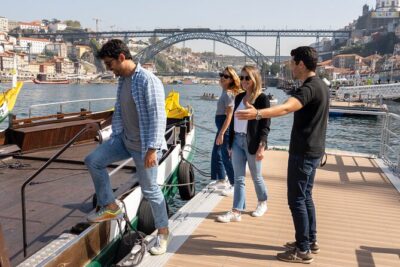
Porto Walking Tour, Lello Bookshop, River Cruise and Cable Car
Read our review →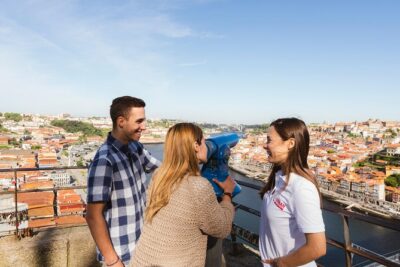
Experience Porto’s Charm: 3-Hour Guided Walking Tour
Read our review →


Walking Tour, Lello Bookshop, Boat and Cable Car
Read our review →Browse the lists this tour appears in