
Reviewed · WALKING TOURS
Porto Jewish Heritage Walking Tour Small group
This tour is interesting because Porto’s Jewish story is written into the city’s curves, steps, and viewpoints, not just into museum walls. In about three hours, you connect the 12th-century community to later turning points like the Inquisition. It’s also run as a small group walk, which helps you actually hear the details as you move.
I love two things most. I like how the guide links places you can point at, like Rua Sant’ana and Rua do Comércio do Porto, with what was happening in the Jewish community at the time. I also like the human stories, including Captain Arthur Carlos de Barros Basto (Abraham Israel Ben-Rosh), and how the tour explains the pressure put on “New Christians.”
One consideration: this is moderate walking, with steps including Escadas da Esnoga, so wear shoes that handle uneven cobbles. If you have mobility limits, you may find the stair sections tough.
Key things to know before you go
- Small group size of up to 10 means more time for questions and less shuffling
- 12th-century roots of Porto’s Jewish community, with clear context for the streets you’ll walk
- Secret synagogues and hidden corners, explained in a way that makes the old neighborhoods feel real
- Escadas da Esnoga and the Vitória viewpoint, mixing history with actual sightlines over Porto
- Captain Arthur Carlos de Barros Basto (Abraham Israel Ben-Rosh) and the build-out tied to Jewish life in the city
- Inquisition and persecution of “New Christians”, so you understand the stakes, not just the dates
Why Porto’s Jewish Heritage Walk is more than a city stroll
Porto can feel like a postcard city, but this tour forces you to look closer. The story here is not just about where people lived. It’s about how a community adapted, traded, worshiped, and survived when power shifted. You’ll walk through older quarters where the city layout still hints at how people moved between commerce, faith, and daily life.
What I like is that you’re not handed a one-note lecture. You’re given a route and a set of themes, so the history clicks into place as you go. And because the group is limited to 10, the guide can actually answer questions instead of racing ahead.
You should be ready for a walking tour with a bit of climbing. Even if you’re fit, expect cobbles and stair segments like the Escadas da Esnoga.
More walking tours in Porto:
- Porto Walking Tour, Lello Bookshop, River Cruise and Cable Car
★ 5.0 · 3,354 reviews - Experience Porto’s Charm: 3-Hour Guided Walking Tour
★ 5.0 · 2,432 reviews - Porto: 3-Hour Guided City Highlights Walking Tour
★ 4.8 · 2,050 reviews
Starting at the Cathedral area, then letting the city tell the story
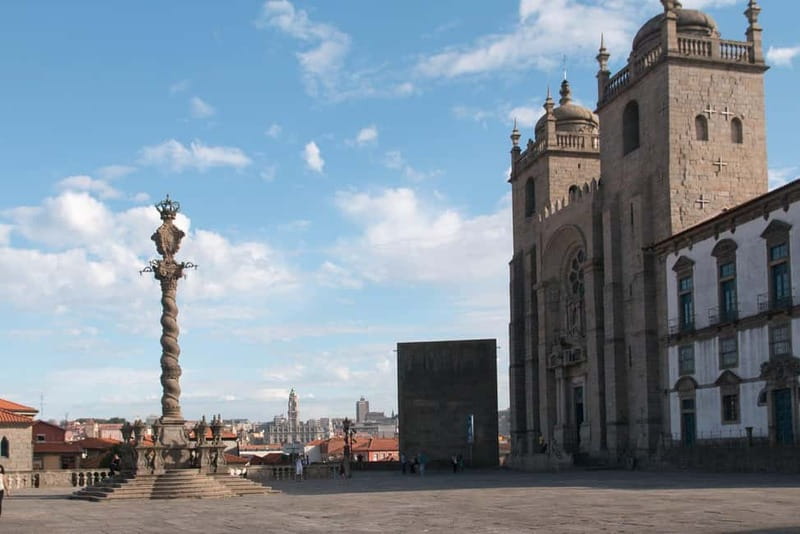
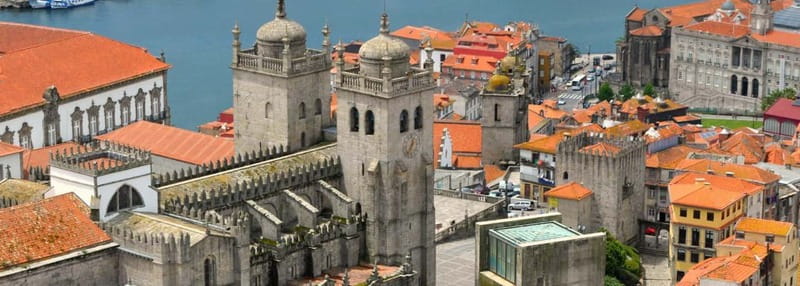
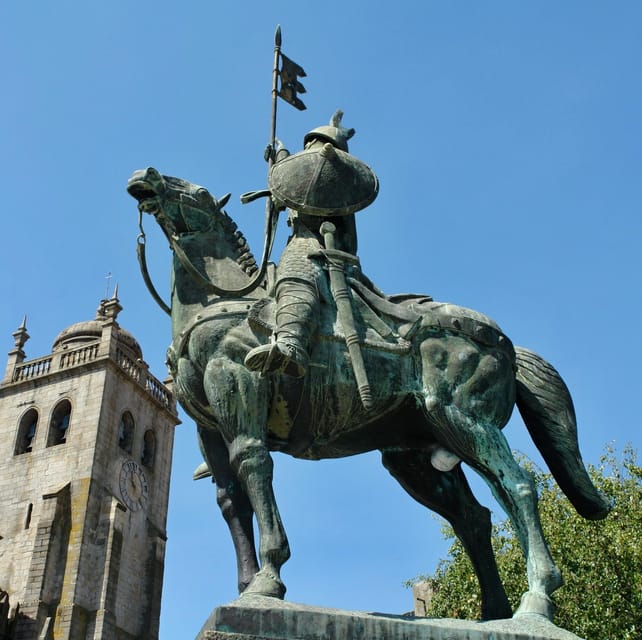
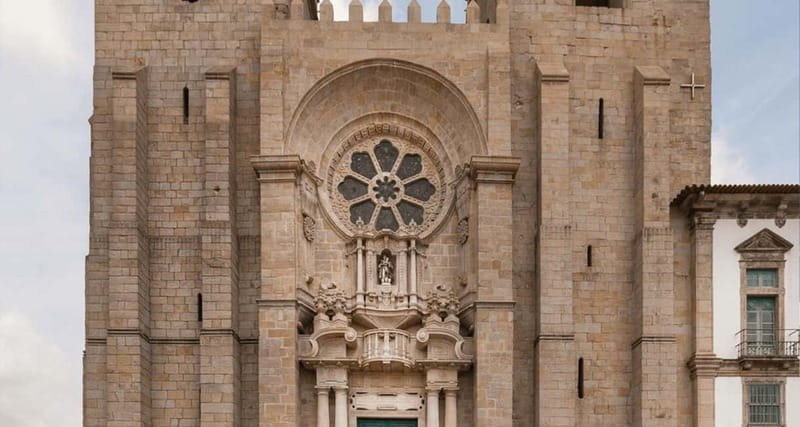
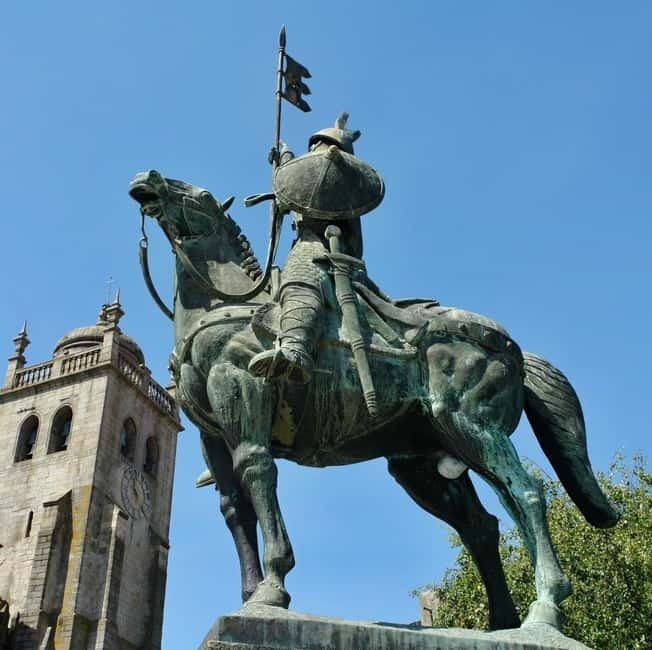
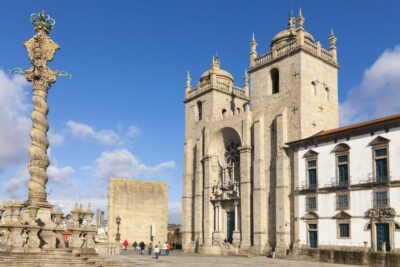
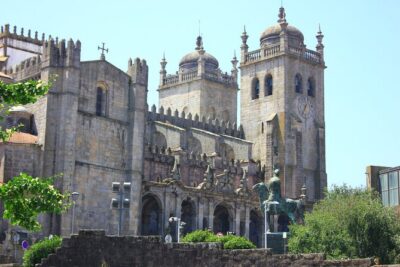
You meet at the Vimara Peres Statue at the Cathedral of Porto. That matters because it puts you close to the historical spine of the city. From the first minutes, the guide frames how Porto’s Jewish community fits into the broader timeline of the city, not as a side note but as part of how Porto functioned.
The tour then moves into Porto’s older streets and quarters, where the guide talks about coexistence during the 12th century. You’ll hear how Jewish community life developed alongside local Christians, and you’ll get a sense of why Porto mattered to Jewish residents. It’s a practical way to start, because you’re learning geography while you still have fresh energy.
If you’re the kind of traveler who likes to know where you are at each step, this start style helps. You are not just walking, you’re building a mental map.
Rua Sant’ana and Rua do Comércio do Porto: where faith and trade met
As you head through Rua Sant’ana and Rua do Comércio do Porto, you’re in streets that connect to daily movement and commerce. That’s where a lot of the tour’s theme comes alive: the practical side of Jewish life, not only religious stories.
You’ll learn about areas where Jewish influence was strong, including where wealthier Jewish families settled. The guide also explains the commercial relationships between Jews and Christians, which gives you a more grounded picture than if you only hear about religious texts or persecution.
Here’s the value for you. Once you understand the economic and social networks, you can read the city differently. You’ll start noticing how this kind of neighborhood layout would support trade and community gathering, even centuries later.
One small drawback is that these streets can feel tight and busy in places, so keep your attention on the guide and plan to pause where needed. The route is built for history, not for stopping for photos every ten steps.
Hidden synagogue stories and the link to Kadoorie Mekor Haim
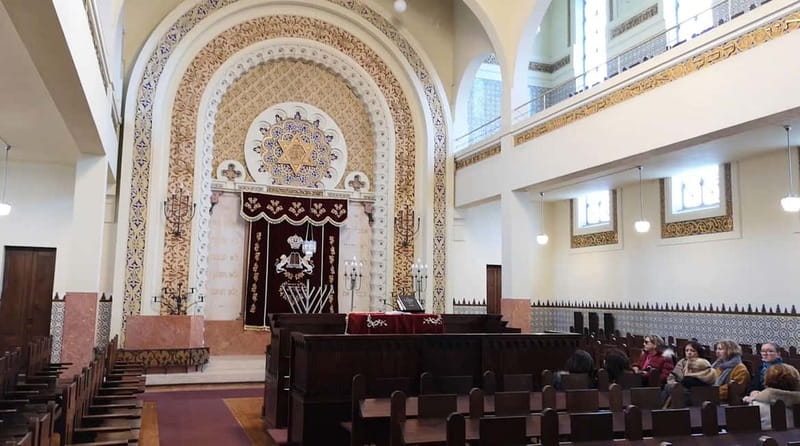
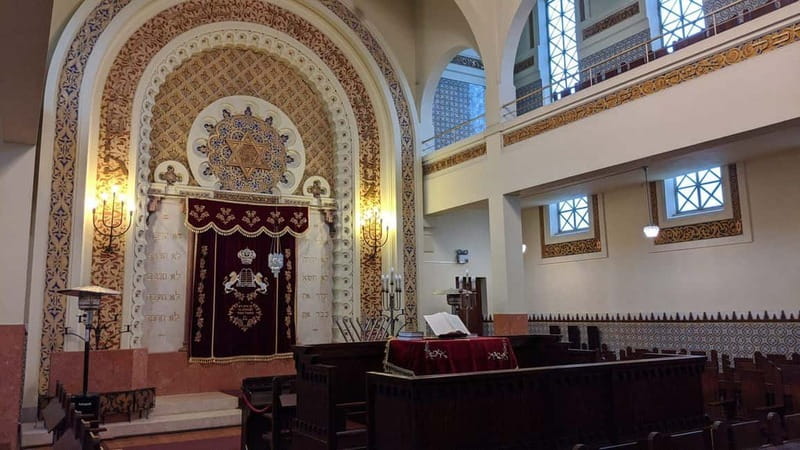
The tour includes a strong focus on synagogues, including the idea of hidden synagogues you can still reference in the urban fabric today. While entry tickets are not included, the guide still helps you understand what you’re looking at and why it mattered.
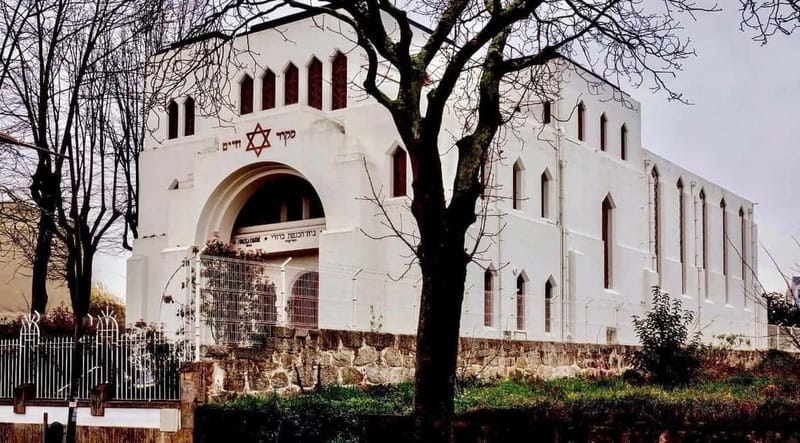
You’ll also hear about the Kadoorie Mekor Haim Synagogue, especially through the story of Captain Arthur Carlos de Barros Basto (Abraham Israel Ben-Rosh). This is one of the tour’s key narrative threads. Instead of treating the synagogue as just a building, the guide ties it to a person and to a revival of community identity.
For you, that changes the experience. You stop thinking of synagogues as static landmarks. You start seeing them as expressions of survival and rebuilding.
If you’re hoping for long interior visits, keep expectations realistic. The tour is built around walking and interpreting, and since entries are not included, some sites may be viewed from outside or as part of the street-level story.
A few other ways to explore Porto
- Douro Valley: Historical Sites, Wine Experience, Lunch & Cruise
★ 5.0 · 5,133 reviews - Porto: Historic City Center Walking Tour
★ 4.7 · 1,172 reviews - Porto: An Intimate Fado Show in a Historical Tavern
★ 4.8 · 1,093 reviews - Porto: Historical Center Walking Tour
★ 4.8 · 898 reviews
Igreja de S. Bento da Vitória and the Vitória viewpoint
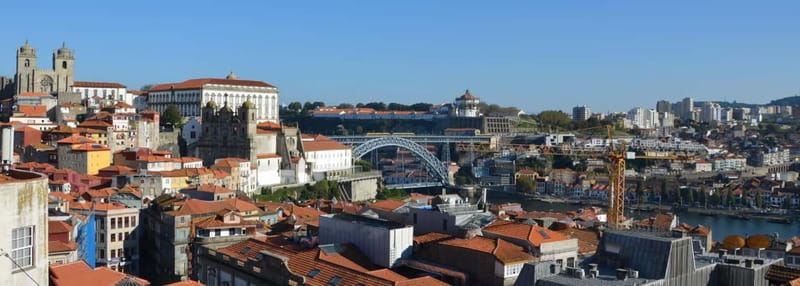
One of the most interesting parts of the route includes Igreja de S. Bento da Vitória. This kind of stop is where the tour’s balancing act shows. You’re not separating Jewish history from Portuguese history. You’re seeing how religious and civic life overlapped in the same neighborhoods and time periods.
Then you move toward the Vitória viewpoint, which is your visual payoff. History lessons can get abstract, so the viewpoint step helps you reset. You look out over Porto and get a sense of how the city’s geography shaped movement and settlement.
This is also a good moment to slow down and take notes, because you’ll soon climb stairs tied to synagogue history.
The Escadas da Esnoga climb: steps with meaning
The tour includes the Escadas da Esnoga, often called the Synagogue Steps. Walking up them is not just a workout. It’s a concrete way to feel how access, elevation, and neighborhood layout mattered to where worship and community space could exist.
As you climb, the guide explains the significance of the synagogue-area story in Porto. Even if you’ve never thought about how stairways function in an old city, you’ll start seeing the pattern: old settlements were shaped by terrain, and religious life had to work with those constraints.
Practical tip for you: treat this as the one “don’t rush” segment. If you try to sprint ahead for photos, you’ll miss part of the explanation.
And yes, these steps can be tiring if you’re already walking on a lot of cobblestones earlier in your day. That’s why comfortable shoes are not optional.
Virtudes Garden and Montanha dos Judeus: ending with a big-picture view
Toward the end, you head to the Virtudes Garden and the Montanha dos Judeus, the Mountain of the Jews. This part of the walk shifts from tight street corners to broader perspective. You get a final sense of where Jewish presence is placed in Porto’s larger geography.
The Virtudes Garden stop also gives you a natural pause. For me, that’s important on a tour like this. After a few hours of names, locations, and historical turning points, you want a place where your brain can catch up.
The Montanha dos Judeus theme brings the story upward, geographically and emotionally. It ties back to the tour’s overall message: a community shaped by where it could live and worship, and by what happened when persecution intensified.
By the time the tour concludes at the Parque das Virtudes area, you should feel like you can point out where you’ve been and explain why it matters. Even if you only remember a few names, the places should click.
Inquisition and “New Christians”: the hard chapter explained without confusion
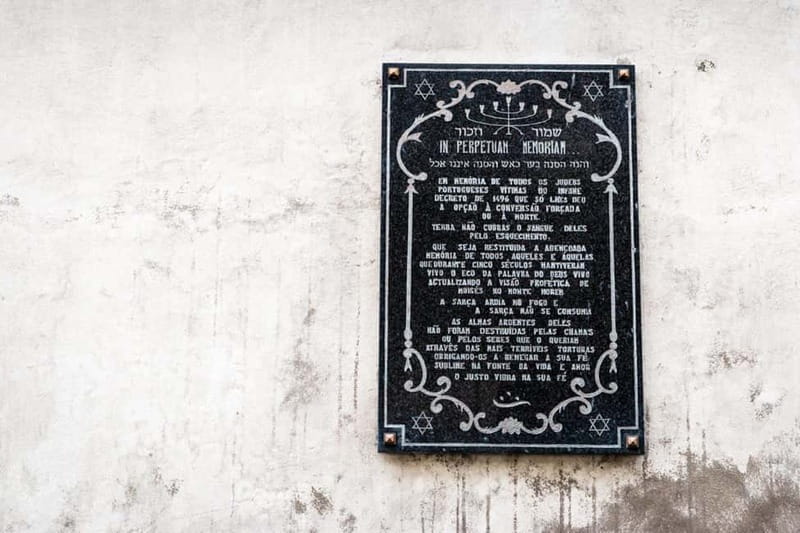
One of the biggest topics on this tour is the Inquisition and the persecution of “New Christians.” This is the part where the guide makes the stakes clear. You’ll learn why people were pressured to change public identity and practice, and how that affected community life.
I appreciate that the tour doesn’t just list events. It connects those pressures to the places you saw earlier, so you understand the historical cause-and-effect. That way, the tour stays coherent, instead of feeling like separate facts.
For you, this is what can make or break a history tour. A good walking history experience should help you understand not only what happened, but why it shaped what you see today. This tour aims for that connection, especially through the way it frames the Jewish community’s shift from coexistence to persecution and cultural survival.
Porto Jewish Heritage tour value: price, pacing, and group size
The price is listed at $51 per person, and the duration is about three hours. For a small group up to 10, that’s a fair setup if you like walking with a guide who talks in full sentences instead of handing you a headset and letting you figure it out.
Here’s the value math I think about:
- A guided route through multiple neighborhoods saves you research time.
- You’re also getting context for specific streets and landmarks, including synogogue-related sites and viewpoints.
- The guide is local and professional, and the tour includes taxes and insurance.
What’s not included is entries and gratifications. If you want to spend extra time at a stop that requires a ticket, you’ll need to handle that separately. Most of the tour experience is built around what you can see and hear on foot, which keeps the schedule focused.
Pacing is another value piece. You’re not walking nonstop for three hours. You get viewpoints and garden space to reset, plus a route that includes stair climbing as a defined highlight.
Who this tour suits best
This Porto Jewish Heritage Walking Tour is best for you if:
- You want a street-level introduction to Jewish life in Porto, including synagogues and neighborhood geography
- You enjoy historical storytelling with specific names and places, not just general background
- You like small groups and direct Q&A while you walk
It’s less ideal if:
- You have mobility impairments, since it is not suitable
- You don’t enjoy stair segments, because the route includes the Escadas da Esnoga climb
It is pet friendly, so if you travel with a dog or small pet, this kind of outdoor tour can work nicely.
Should you book this Porto Jewish Heritage Walking Tour?
Yes, if you want a focused, human-scale way to understand Porto beyond ports and bridges. The route gives you both story and scenery, with specific stop points like Rua Sant’ana, Rua do Comércio do Porto, Igreja de S. Bento da Vitória, the Vitória viewpoint, Escadas da Esnoga, and the end at Parque das Virtudes.
Book it especially if you care about the details, like the identity story around Captain Arthur Carlos de Barros Basto (Abraham Israel Ben-Rosh) and how the Inquisition and the persecution of “New Christians” changed life. The small group limit makes it easier to ask questions, and that matters on a topic with nuance.
Skip it or consider alternatives if stairs and cobbles will wear you out, because the walking is a real part of the design.
FAQ
Where does the Porto Jewish Heritage Walking Tour start and end?
You start at the Vimara Peres Statue at the Cathedral of Porto. The tour finishes at Parque das Virtudes (and the activity details also indicate it ends back at the meeting point area).
How long is the tour?
The tour duration is listed as 3 hours.
What is the group size?
It is a small group with a maximum of 10 participants.
What languages are offered?
The live guide is available in English, Spanish, and Portuguese.
What is included in the price?
Included are a professional local guide, taxes, and insurance.
Are entrance fees included?
No. Entries are not included.
Is the tour suitable for people with mobility impairments?
The tour is not suitable for people with mobility impairments.
Is the tour pet friendly?
Yes, it is listed as pet friendly.
Do I need to pay the full amount to reserve?
You can reserve now and pay later, so you can keep plans flexible.
Recently reviewed around Porto
- Tour Porto: Adventure in Electric Bike Tour★ 4.3 · 11 reviews
- Porto: Tuk tuk Tours with Port Wine Tasting★ 4.5 · 65 reviews
- Tour Porto: Classic Adventure in Electric Tuk Tuk★ 4.7 · 33 reviews
- Tour Porto: Classic Car + A Toast with Port Wine★ 5.0 · 3 reviews
- The Beautiful Story of Porto: Guided Tour with Entry Tickets★ 4.8 · 111 reviews
- From Porto or Aveiro: 516 Arouca Suspended Bridge Tour★ 5.0 · 3 reviews
- Rent an Electric Bike with Bosch motor★ 4.5 · 3 reviews
- Self-Guided Bike to Surf”N”Food Pack★ 4.6 · 13 reviews
Walking Tours, compared.
Porto Walking Tour, Lello Bookshop, River Cruise and Cable Car
Read our review →
Experience Porto’s Charm: 3-Hour Guided Walking Tour
Read our review →

Walking Tour, Lello Bookshop, Boat and Cable Car
Read our review →Browse the lists this tour appears in