
Reviewed · WALKING TOURS
Aveiro: Stories, Canals, and Azulejos Guided Walking Tour
This Aveiro tour is interesting because it turns a short stroll into a full city lesson. You get the look of the lagoon and the feel of the streets, with azulejos and moliceiros explained as if you are walking beside a local.
I love the way the route trains your eyes, from the black and white calçada à portuguesa to the tile panels on the way through town. I also like that Tony Walker, the listed guide, brings the subject with energy, mixing churches, canal life, and practical details about how Aveiro worked.
One possible drawback: this is a walking tour you should treat like exercise. It runs rain or shine, and it is not suitable for low fitness, wheelchair users, or anyone with mobility impairments.
Key highlights you should not miss
- Praça da República start point with the Town Hall and Misericórdia church as your first orientation
- Carmelite Convent Church in Baroque style as a small stop with big impact
- Canal da Fonte Nova and the ceramics-factory building that still anchors the canal story
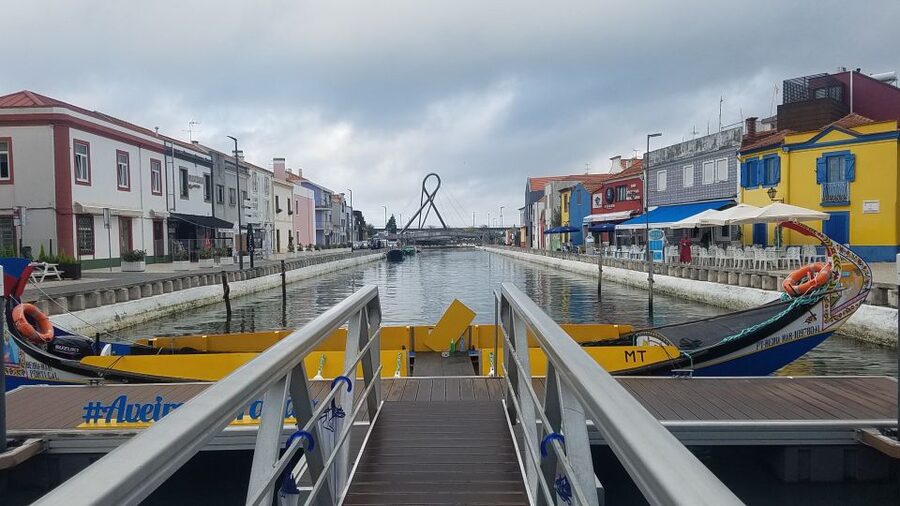
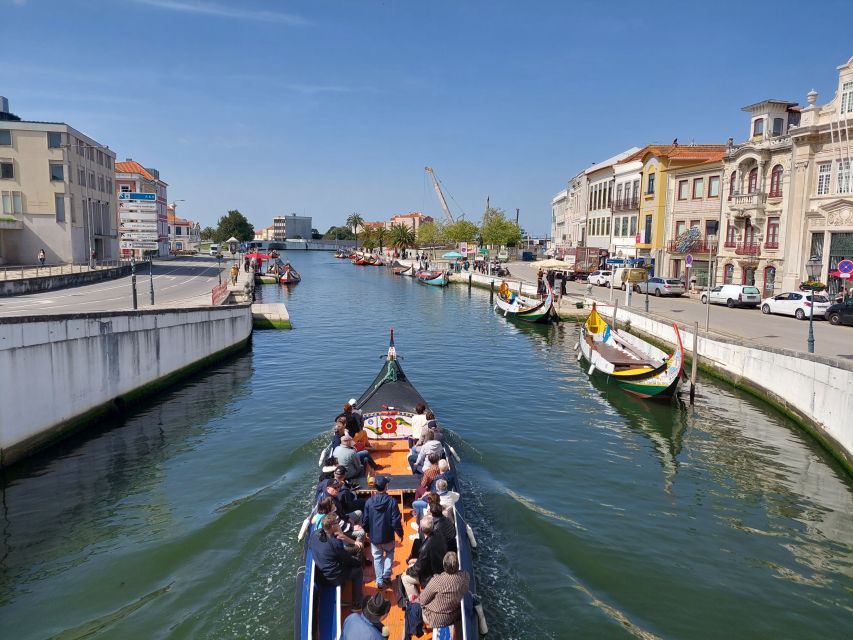
- Moliceiros and mercanteis explained along the lagoon, with boat types tied to Aveiro’s daily needs
- Art Nouveau and Art Deco street details in the Beira Mar neighborhood, plus two Museum of Art Nouveau facades
- São Gonçalinho finish and the January sweet-throwing ritual that adds a modern, joyful Aveiro ending
Aveiro stories, canals, and azulejos in a 2 hour walk
Aveiro is the kind of Portuguese city that can feel quiet if you only skim it. This tour gives you a reason to slow down. In about two hours, you move from church interiors and tile-laced facades to the working edges of the lagoon and the saltpans that shaped the city.
The value here is that you are not just collecting photos. You are learning how each place connects to Aveiro’s economy and identity, from the calçada pavement to ceramic work to traditional sweets like ovos moles.
At $20 per person, the math works well when you want history plus street-level detail, without adding a separate day plan. You also get free entry or walk-through access at the stops, so you are paying for guide time and interpretation, not a pile of tickets.
More Aveiro and Costa Nova outings:
- Aveiro: Traditional Moliceiro Boat Tour
★ 4.5 · 3,443 reviews - Aveiro: Scenic Guided Boat Tour
★ 4.4 · 1,047 reviews - Aveiro: Traditional Moliceiro Boat Cruise
★ 4.5 · 797 reviews
Starting at Praça da República: town hall views and tile street orientation
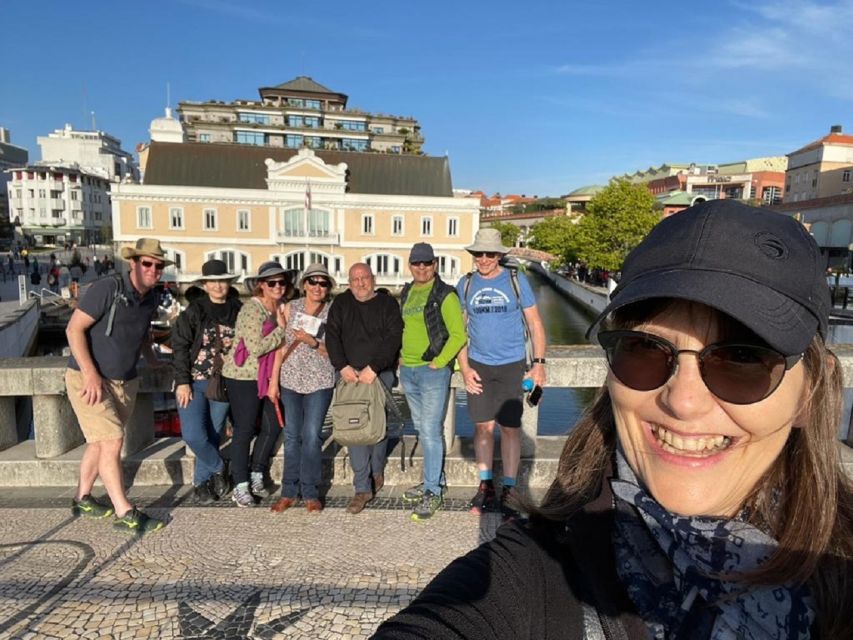
Your tour begins at Praça da República, near the statue in the center of the square. The guide will be wearing a yellow and blue badge, which makes it easier to spot everyone and get moving.
This first stretch matters because it sets the visual rules of Aveiro. You start with the Town Hall and the Misericórdia church, then head along Rua de Coimbra while the guide points out the black and white calçada à portuguesa patterning.
If you have not paid attention to Portuguese pavement before, this is a fast crash course. The point is not only pretty sidewalks. It is about how the city marks movement, spaces for pedestrians, and street identity right down to the texture under your shoes.
Rua de Coimbra, calçada portuguesa, and the tile stops that tell you where to look
After leaving the square, the walk focuses on surfaces. You will move along Rua de Coimbra and hear about how the pavement is part of Aveiro’s street language.
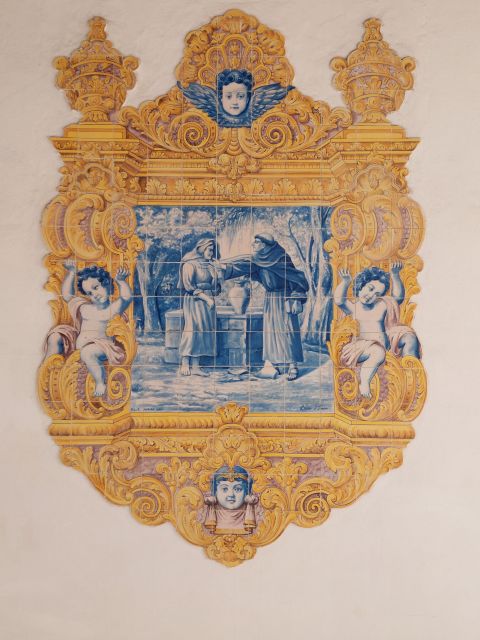
Then the tiles get specific. You see tile panels at Casa de Santa Zita and Sapataria Leão, which is exactly the kind of “look here” instruction that makes a guided walk worth it. Azulejos can feel decorative until someone shows you what to notice: patterns, placement, and why those images were used.
This is also where you start to understand that azulejos are not just decoration in Aveiro. They help carry story, faith, and craft from one era to the next, bridging early modern design and the look you see today.
Marques de Pombal square and the Carmelite Convent Church baroque moment
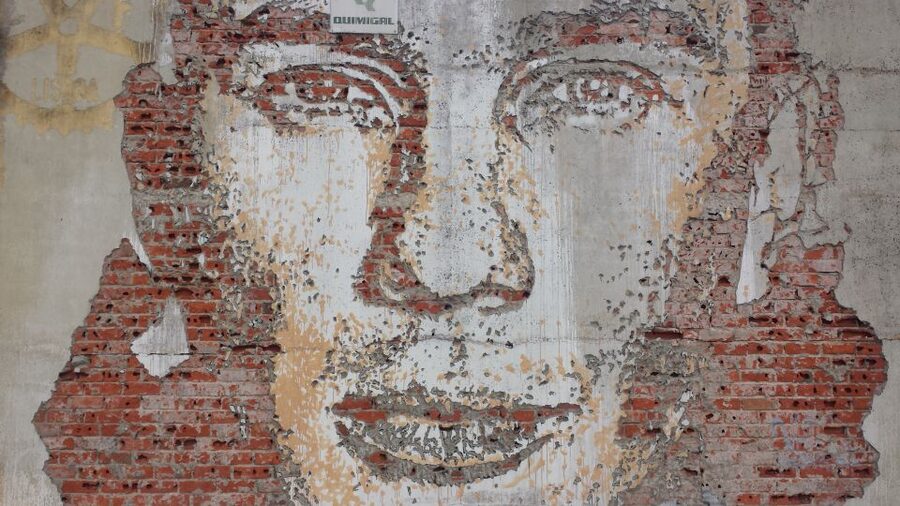
One of the most rewarding stops is the Carmelite Convent Church in the Marques de Pombal square. It is described as small, but impressive, and that is a big deal for a two hour walking tour.
This is not a museum detour where time disappears. It is a focused, interior stop that gives you a clear sense of Aveiro’s spiritual architecture and baroque style before you shift back to the streets.
Practical tip: wear comfortable shoes, and keep your phone battery charged for this portion. Churches are often cool and a bit darker than the street, and you will want to capture details like altar forms and tile work without rushing.
More walking tours in Aveiro:
- Aveiro: Boat Cruise and City Walking Tour with Sweet Tasting
★ 4.7 · 318 reviews - Aveiro: Flexible Walking Tour in Historic Center
★ 4.2 · 6 reviews - Aveiro: Private Walking Tour in the City and Moliceiro boat
★ 5.0 · 3 reviews - Porto Walking Tour, Lello Bookshop, River Cruise and Cable Car
★ 5.0 · 3,354 reviews
Casa de Santa Zita to Sapataria Leão: azulejos that connect to work and daily life
Tile panels at Casa de Santa Zita and Sapataria Leão are not random wall decoration along the route. This walk treats them like bookmarks that point toward Aveiro’s craft culture.
You will pass through neighborhoods where you can sense that ceramics and design were part of the city’s rhythm. That matters because you later see how the lagoon and salt economy drove wealth, and wealth funded visible art.
If your trip is short, pay attention during the tile segment. Once you understand how the guide “reads” tiles, you start seeing better composition on your own after the tour ends.
The Dominican Convent of Jesus, Princess Santa Joana, and Aveiro’s patron saint thread
As you continue, you pass near the Dominican Convent of Jesus. Here the tour becomes story-driven, evoking the history of the city’s patron saint, Princess Santa Joana.
This part works because it stops the walk from becoming only a design stroll. You are given a human anchor: why the city built, honored, and remembered.
You then pass the cathedral area before heading toward the lagoon. That transition helps you notice how Aveiro’s religious centers sit alongside the places that made the city economically possible.
Canal da Fonte Nova: the ceramics factory building and why canal edges matter
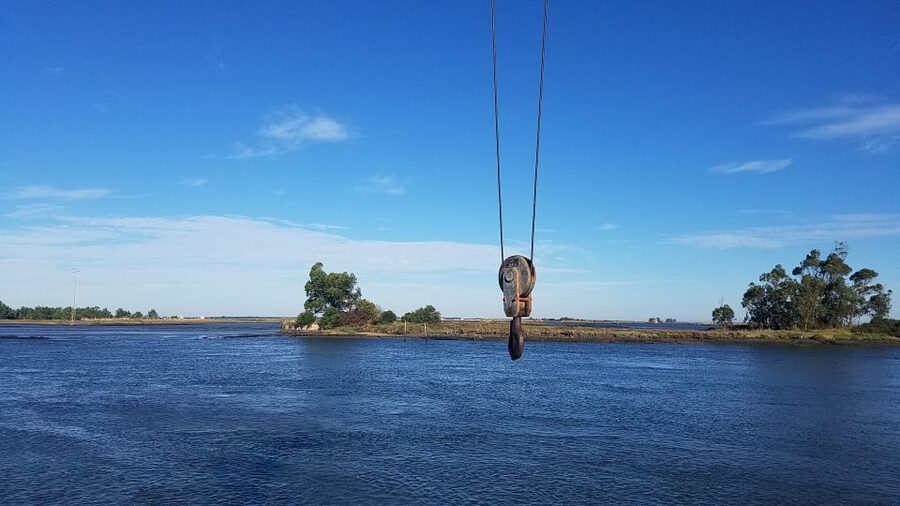
Next comes the Canal da Fonte Nova. A key detail is that one of the ceramics factory buildings that once existed there still stands, even now.
That is the “aha” moment for many people. You can literally connect tile craft to the waterway system that supported it. Aveiro’s lagoon is not background scenery, it is infrastructure.
As you move along the canals, the guide explains the genesis and utility of the canal network. You also get a feel for how canal access shaped movement, trade, and everyday life.
This is a good place to slow down and look at scale. Canal edges are easy to overlook when you are focused on bridges and boats. The tour teaches you to watch how buildings sit relative to the water, and why that positioning mattered.
Moliceiros and mercanteis on the Ria de Aveiro: boats with a job, not just a photo
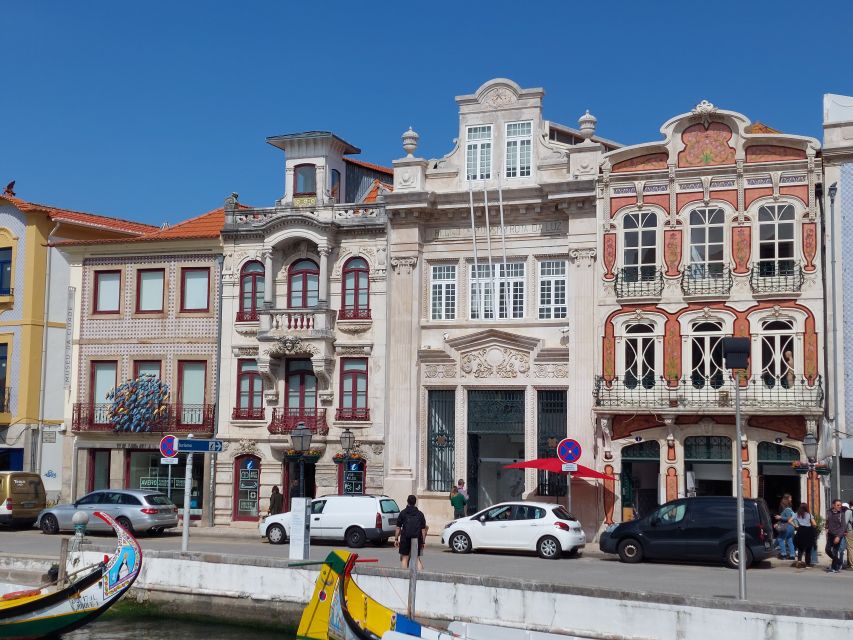
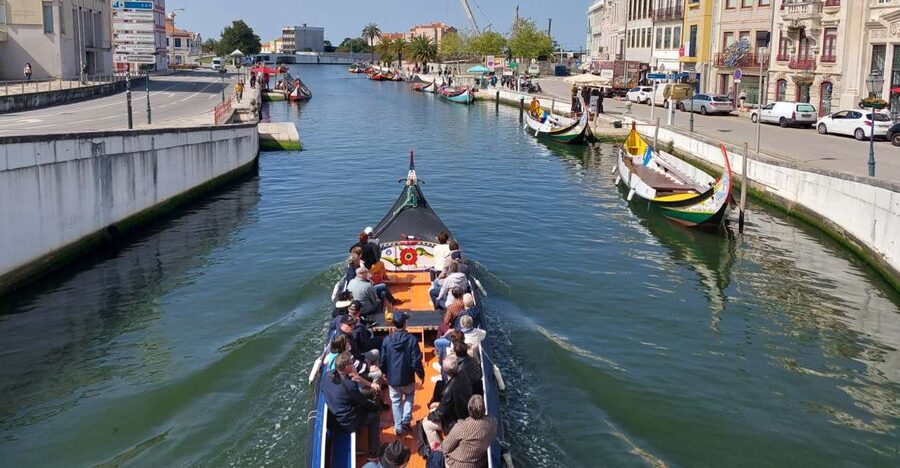
Along the canal walk, the guide discusses traditional lagoon boats of the Ria de Aveiro. You will learn to recognize moliceiros, mercanteis, and other boat types that are part of how the lagoon operates.
This section is one of the most praised aspects because it turns something you might only photograph into something you understand. A boat type becomes a clue about what the lagoon was used for, and who depended on it.
You also get the sensory side of the lagoon, including the reports with the smell of the lagoon and its salt. That detail might sound odd until you are standing near the water, then it clicks. Aveiro is a salt city as much as it is a tile city.
If you care about practical travel, this is also where the city stops being postcard material. You see why the canals were built, and you start imagining how people moved goods and materials.
Beira Mar streets and the Art Nouveau and Art Deco iron architecture shift
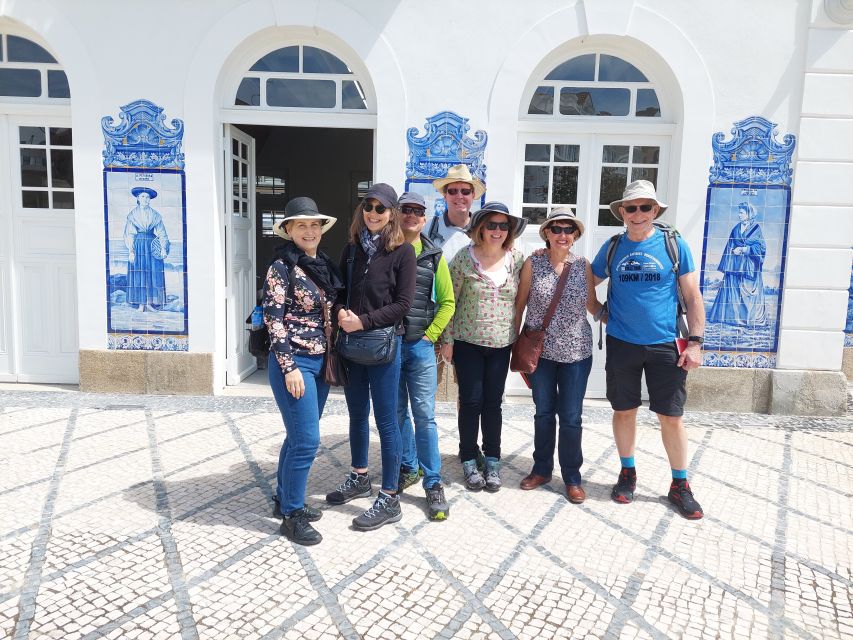
After the canal-focused portion, you head into the Beira Mar neighborhood. Here the tiles keep coming, and the guide starts pointing out design eras.
You will recognize Art Nouveau and Art Deco touches, plus iron architecture from the turn of the 19th to the 20th century. This is the kind of guidance that helps you see patterns, not only styles.
It is also worth taking a careful look at the two facades of the Museum of Art Nouveau that you pass by. Even if you do not go inside, the facades give you a frame for everything else you have seen on the walk, especially when it comes to ironwork and ornamental design.
One timing consideration: some museum spaces can follow opening day schedules. If you are the type who wants to step inside, plan your expectations around what is accessible on the day you go, and treat the facades as the dependable part.
Saltpans and Aveiro power from the 11th to the 15th centuries
On the way to the saltpans, the tour zooms out to city power and change. You will hear about Aveiro’s strength from the 11th to the 15th centuries, its crossing of the desert in the 17th and 18th centuries, and its revival in the 19th century.
Even without heavy dates, this is useful because it explains why the city looks the way it does. When a place gains wealth and trade connections, it leaves visible traces, in ceramics, street design, and the kinds of buildings you pass on a walking route.
And yes, saltpans make sense as a mental reference point. They give you context for the lagoon scent you noticed earlier. You are not just learning facts. You are learning how Aveiro’s water and salt shaped its prosperity and its art.
Eel stew, ovos moles, and the São Gonçalinho January festival finale
On the way back, the guide references local gastronomy. Expect mentions of eel stew and traditional sweets, especially ovos moles.
This matters because Aveiro food is not random. It connects to ingredients and traditions tied to the city’s long relationship with the lagoon and its production rhythms. Even if you do not stop for a meal during the walk, you walk away with a clear list of what to look for after.
The tour ends at the Church of São Gonçalinho. The finish centers on the traditional January festival, where a hard and heavy sweet is literally thrown over the heads of the faithful in a joyful ritual.
This ending works well for a short tour. It turns the last minute into a living cultural moment, not only architecture. You leave with a sense of Aveiro as a place with traditions that still move people.
Price and value: $20 for two hours that teach you how to see
For $20, you are buying a guide who can connect the dots quickly. You get a planned route that covers multiple major stops, with sites described as either walk-through or free entry.
The best value is not that you are seeing many locations. It is that you are learning what to notice at each one. Tiles, boats, iron architecture, canal function, and festival tradition all get stitched into one story line.
It is also a smart choice if you want to avoid over-stacking your day. If you have room, you can add a boat experience separately, but this walk gives you the interpretation first. That often makes later canal time more meaningful because you already know what you are looking at when you see moliceiros or mercanteis.
Who should book this Aveiro walking tour, and who should skip it
This tour is a great fit if you like city details, street architecture, and learning through guided storytelling. It is especially good for visitors who want azulejos, canals, and design eras like Art Nouveau without needing a full day.
You should skip it if you fall into any of these categories listed for the activity: children under 10, pregnant women, people with mobility impairments, wheelchair users, or anyone with low fitness. It is rain or shine, and the route involves steady walking rather than short, stop-and-go mobility breaks.
Also note the practical item: you cannot bring luggage or large bags, and the tour does not allow bikes. Pack light and bring what you need for comfort, including ID or a passport.
Should you book the Aveiro Stories, Canals, and Azulejos Guided Walking Tour?
Book it if you want a high-impact introduction to Aveiro that teaches you how the city works. The route covers churches, azulejos, canal infrastructure, lagoon boats, salt production context, and local sweets, all in a tight two hour format.
Skip it if you want a relaxed, seated experience. This is a walking tour with a steady pace, and it is not set up for limited mobility.
If your schedule is short and you want your first day in Aveiro to feel like you actually understand the place, this one is an easy yes. You will come away with better eyes for tiles, boats, and the canal-city relationship that makes Aveiro feel so different from the rest of Portugal.
FAQ
How long is the Aveiro guided walking tour?
The tour lasts 2 hours.
Where do I meet the guide, and where does the tour end?
Meet your guide near the statue in the center of Praça da República. The tour ends back at the same meeting point.
What is included in the tour stops?
All sites are either walk-through or free entry.
Are food and drinks included?
No. Food and drinks are not included.
What languages does the live guide speak?
The guide offers live narration in Portuguese, French, English, and Spanish.
What should I bring, and is there anything I cannot bring?
Bring a passport or ID card, comfortable shoes, sunscreen, and weather-appropriate clothing. The tour does not allow luggage or large bags, and it also does not allow bikes, alcohol, drugs, unaccompanied minors, or baby carriages.
Does the tour run rain or shine?
Yes, the tour takes place rain or shine.
Who is the tour not suitable for?
The tour is not suitable for children under 10, pregnant women, people with mobility impairments, wheelchair users, and people with low level of fitness.
Recently reviewed around Aveiro
- Aveiro no Coração – Passeio de barco típico em Aveiro★ 4.9 · 35 reviews
- Panoramic Boat City Tour in Aveiro★ 3.9 · 15 reviews
- From Porto Private Tour Half Day in Aveiro and Costa Nova★ 4.9 · 8 reviews
- From Aveiro: Guided Canyoning Tour with Hotel Transfers★ 5.0 · 3 reviews
- Costa Nova and Barra Beach Tour★ 4.6 · 17 reviews
- Aveiro: Flexible Walking Tour in Historic Center★ 4.2 · 6 reviews
- Aveiro: Private Walking Tour in the City and Moliceiro boat★ 5.0 · 3 reviews
- Aveiro: Horse Riding Experience with Instructor★ 4.6 · 37 reviews
Walking Tours, compared.
Porto Walking Tour, Lello Bookshop, River Cruise and Cable Car
Read our review →
Experience Porto’s Charm: 3-Hour Guided Walking Tour
Read our review →




Walking Tour, Lello Bookshop, Boat and Cable Car
Read our review →Browse the lists this tour appears in