
Reviewed · WALKING TOURS
Port wine & wine walking tour with culture – max 8 pax
Porto to Gaia on foot is a smart way to learn the North of Portugal, because you taste as you walk and you see the places that made these wines matter. I especially like the pairing of green wine early with a later Port tasting, and I like that the route takes in Ribeira and the Douro River viewpoints, not just a couple of bars. A guide like Verena also tends to keep things relaxed and personal in a group that is small enough to ask real questions.
One consideration: this is still a walking tour, about 3 to 3.5 hours, and it runs rain or sunshine. If your mobility is limited or you cannot handle uneven streets, it may be tough, and the tour is not set up for mobility impairments.
Key Points That Make This Tour Worth Your Time
- Small group, max 8 people, so you actually get attention and time for questions.
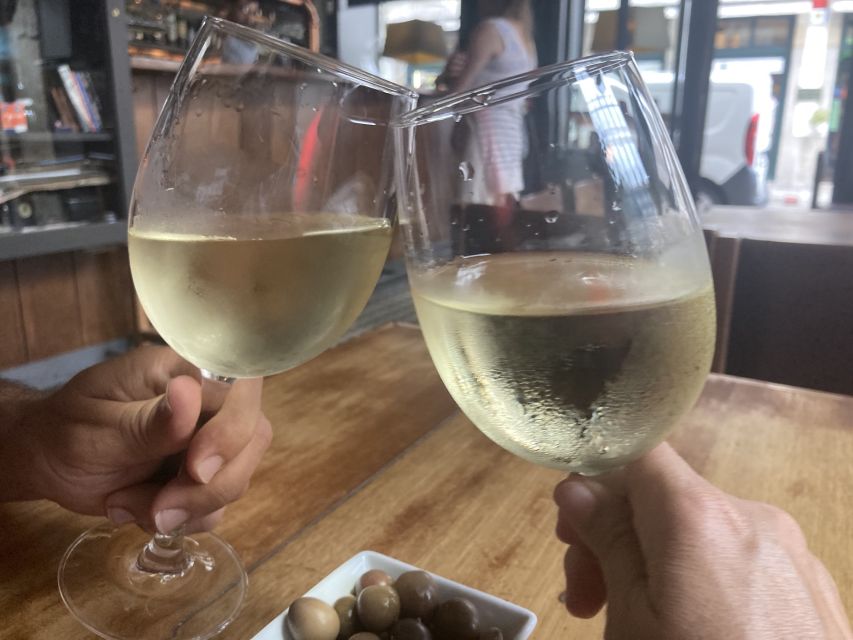
- Green wine plus Port in one afternoon, a pairing that helps you understand Porto’s drinking culture fast.
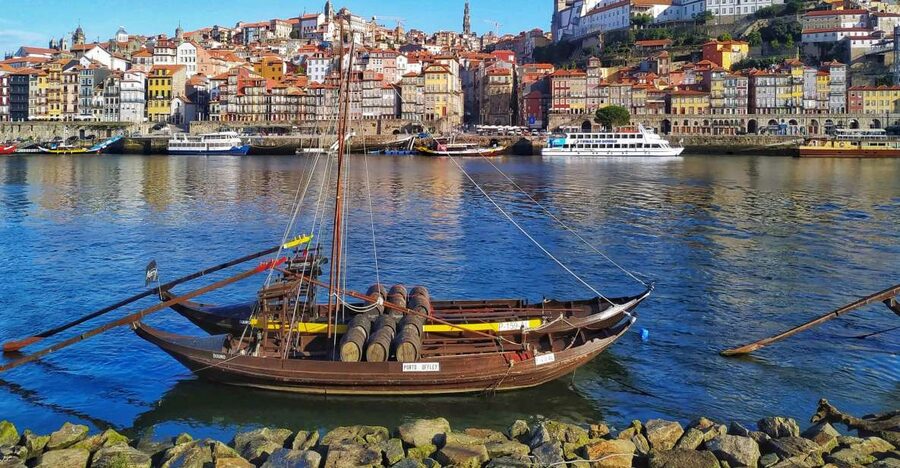
- Ribeira and the Douro River route, with stops built around views and local context.
- A family-owned Port producer tasting, featuring three different Port types and nuts.
- Douro DOC wine included, linking Porto’s cellars to the vineyards up river.
Porto to Gaia Wine Walk: Small-Group Rules and the Big Win
This tour is built for people who want more than a single tasting room. You start in central Porto, move through historic streets, then cross toward Gaia, where the views over the river make the wine story feel real. The walking time is short enough to stay comfortable, but it is enough to actually get a sense of how these neighborhoods connect.
The price is $69 per person for about 3 to 3.5 hours. That is not cheap in the way of a quick bar stop, but you are getting multiple guided tastings plus a visit with a family producer. When a tour includes several different wines and you stay on foot for the city context, that is where the value usually comes from.
What makes the small group stand out is how it changes the mood. With up to 8 participants, the guide can slow down when a question comes up, and you are not stuck in a rush with a crowd. The vibe also tends to feel friendly, like you are being shown local spots rather than pushed through a checklist.
More walking tours in Porto:
- Porto Walking Tour, Lello Bookshop, River Cruise and Cable Car
★ 5.0 · 3,354 reviews - Experience Porto’s Charm: 3-Hour Guided Walking Tour
★ 5.0 · 2,432 reviews - Porto: 3-Hour Guided City Highlights Walking Tour
★ 4.8 · 2,050 reviews
Getting Oriented: Meeting at Praça da Trindade
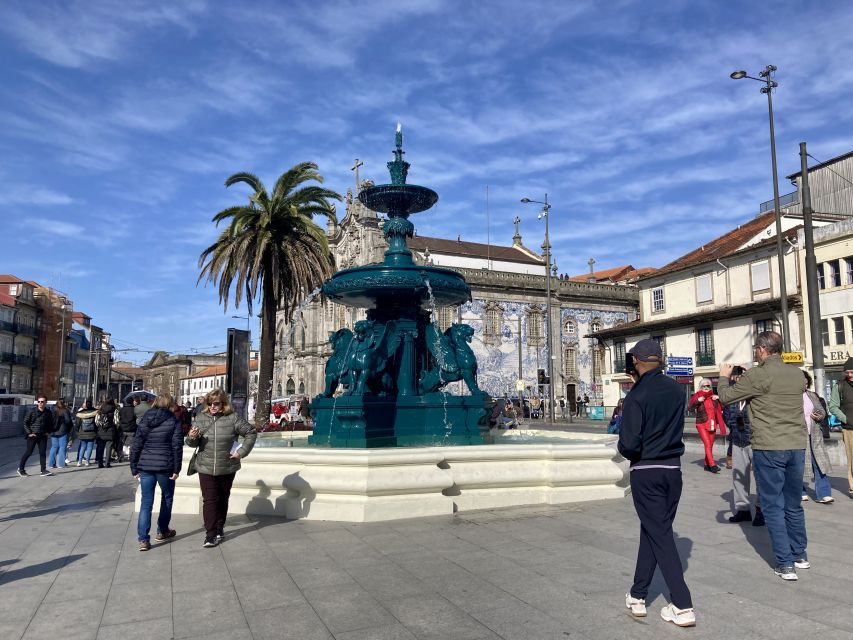
You meet at Praça da Trindade, at the fountain between Trindade church and the back of the city hall, close to Trindade Metro Station. That is a practical choice, because you are near an easy transit point before you start walking.
The first short stroll is about getting everyone together and setting expectations for the tastings. You are not yet in full wine mode. Instead, the guide usually uses this time to frame what you will taste, and how green wine and Port fit into the day-to-day culture of the North.
If you want to enjoy the tour from the beginning, arrive a few minutes early and wear comfortable shoes. This is one of those experiences where your comfort level affects your enjoyment more than you might expect.
First Taste in Porto: Green Wine at a Local Tavern
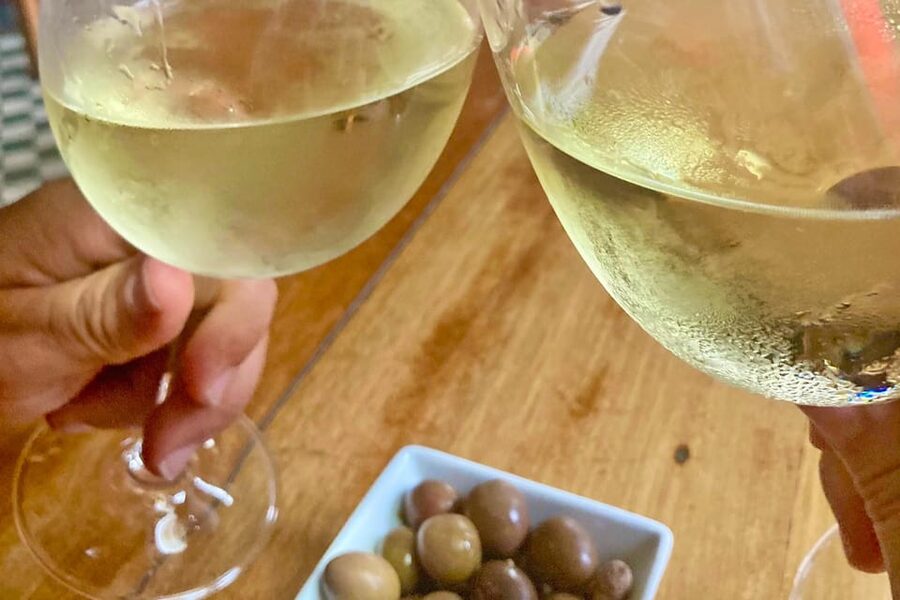
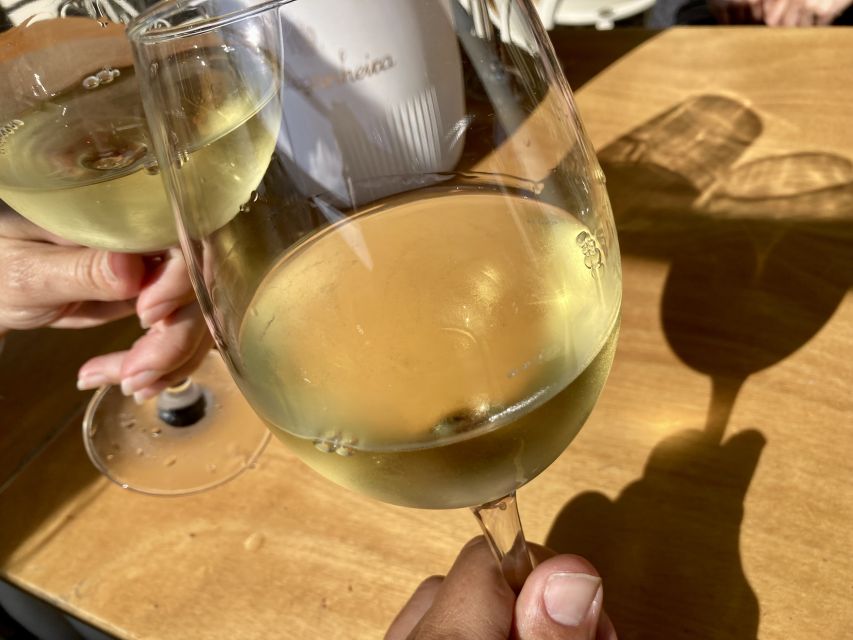
The first real stop is a green wine tasting at a local tavern in Porto, focused on regional specialties. Green wine, despite the name, is not about a literal green color. It is about a style and tradition, and it is often served while it is young and lively. On this tour, the point is not just to taste. It is to understand why people in the region drink this style early in the day, and how that fits into Porto’s casual relationship with wine.
This is also where the “culture” part starts to matter. You get context for the North’s drinking habits, and you hear how the local palate works. The tasting lasts around 45 minutes, which gives you time to compare how the wine feels in your glass.
A small practical note: since you are starting with tastings, you might want to have eaten something before the tour. You do not want to be deciding whether you like wine based on hunger or fatigue.
Walking Through Ribeira and the Douro River: Porto’s Working Heart
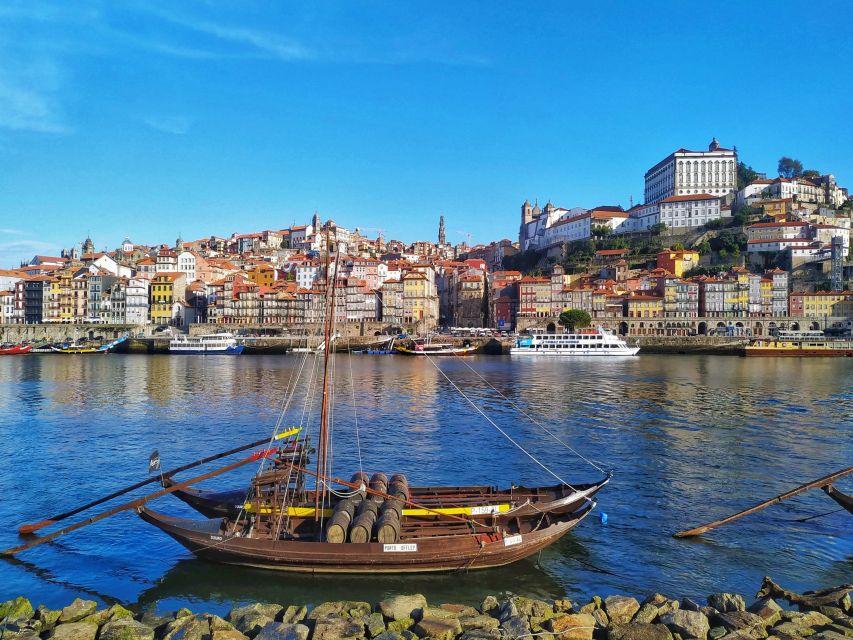
After the first tasting, you walk toward Ribeira, then down toward the Douro River area. This is where Porto shifts from “pretty streets” to “what the city does with the river.” Ribeira is one of those neighborhoods where you see why wine logistics, trade, and the river were always connected.
The tour includes a few guided walking segments through this zone, with time built in for highlights and quieter spots rather than only the busiest viewpoints. If you have ever been frustrated by tours that only show the most photographed angles, this part is designed to feel more human.
There is a 15-minute walk at one stage, then a longer guided stretch around 30 minutes in Ribeira. That longer segment matters because it gives you time to slow down, look around, and hear the story without feeling like you are sprinting for the next stop.
Weather matters here. If it rains, the riverfront can be slick. Keep your footing and consider bringing a light waterproof layer.
More port and wine tastings in Porto:
- From Porto: Douro Valley w/ Boat Tour, Wine Tasting & Lunch
★ 4.7 · 19,061 reviews - Complete Douro Valley Wine Tour with Lunch, Wine Tastings and River Cruise
★ 5.0 · 12,920 reviews - Porto: Live Fado Show with Glass of Port Wine
★ 4.8 · 6,498 reviews - Douro Valley: Wine Tour with Lunch, Tastings & River Cruise
★ 4.6 · 6,081 reviews
A Douro DOC Glass: Why Porto’s Story Connects Up River
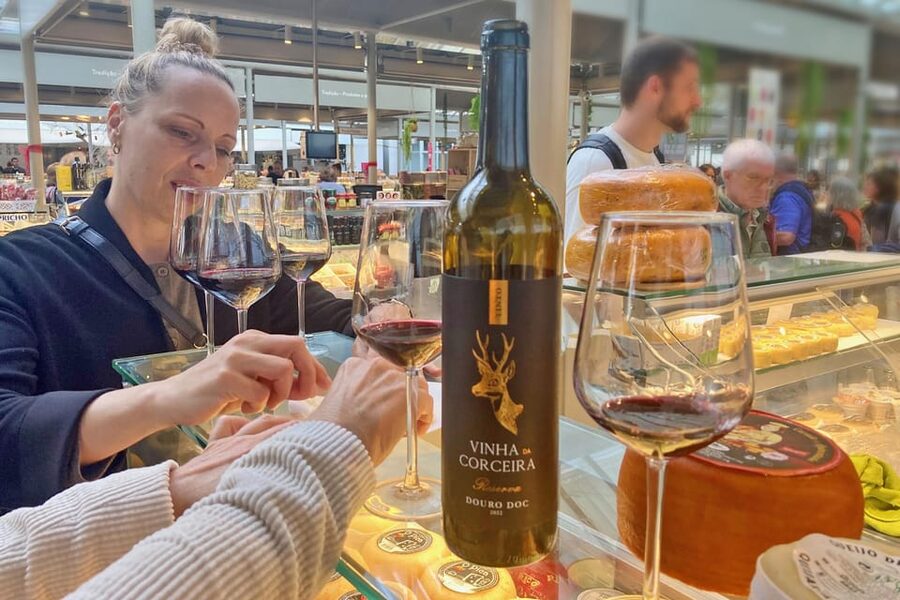
One of the smartest moves on this tour is including a glass of Douro Valley DOC wine at a second stop in Porto. That single pour acts like a bridge in the learning. Green wine helps you understand Porto’s everyday style, but Douro Valley wine explains where the region’s seriousness comes from.
This is a guided tasting, so it should not feel like a random extra drink. You are looking at how regional identity shows up in the glass, and how the Douro Valley’s role feeds into Porto’s Port world.
The tasting portion at this middle stop lasts about 45 minutes. That is long enough for you to settle into the flavors and ask questions, not just gulp something and move on.
If you are a beginner, this is a good place to ask what to look for, because you can compare it later with what you learn during the Port tasting in Gaia.
Crossing Toward Gaia: Dom Luis Bridge and the Photo Stop Moment
Once you head toward the river crossing, you reach Dom Luis Bridge. The tour includes a short guided walk over or near the bridge area, with a quick timing window to take it in.
This is not just a photo moment. The bridge is a symbol of connection between Porto and Gaia, and it sets up the final stage of the wine journey. When you look out from here, the whole Port story makes more sense, because you can picture the movement of wine and people along the Douro.
Then you reach Cais de Gaia and get a photo stop plus guided time around 20 minutes. The views in this area are a big part of the payoff. Even if you are not a “views person,” the setting helps your brain link tastings to place.
Port Wine Tasting in Gaia: Three Types, Nuts, and a Family Producer Visit
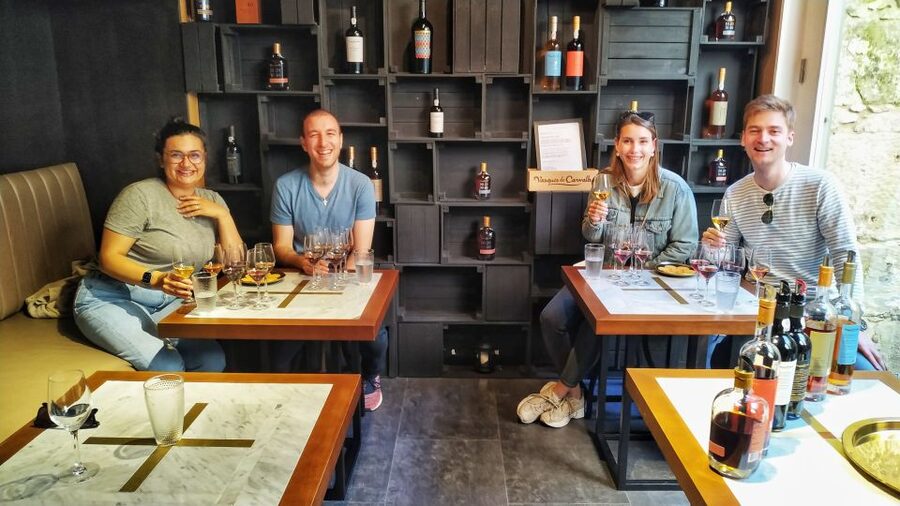
Now you reach the main act: the Port wine tasting with a family-owned producer in Gaia. This is where the tour earns its name, and where you stop thinking in terms of random drinks and start thinking in terms of styles and production.
You taste three different types of Port, plus nuts. That combo matters because nuts are a common pairing, and they can change how sweetness, spice, and tannins feel in your glass. Port can be intense, so having something to nibble helps you stay comfortable while you explore the differences.
The tasting is guided, so you should come away not only with preferences, but with a clearer sense of what makes each style different. This is also where the guide ties Porto’s culture back to what you are tasting, which is the whole point of bringing this tasting after the walk.
The producer visit itself lasts about 45 minutes. That is enough time to see the working reality of a small operation and to learn what makes Port special without turning it into a textbook.
Understanding What Makes Port Feel Like It Has Its Own Language
At some point, you will notice a pattern: Port wine can taste both sweet and structured, heavy and elegant at the same time. The tour’s structure helps you understand why.
Because you already tried green wine and a Douro DOC glass, Port is not your first comparison point anymore. You have context for youth versus style, regional character, and how the Douro links up with Porto’s wine traditions.
A well-run guide will also cover production basics in plain language: what Port is, why it tastes the way it does, and why Porto became the place tied to this wine. If you enjoy learning by tasting, this part is satisfying because it is not just facts. It is flavor-based learning.
Price and Value: Is $69 a Good Deal?
For $69, you are paying for several things at once:
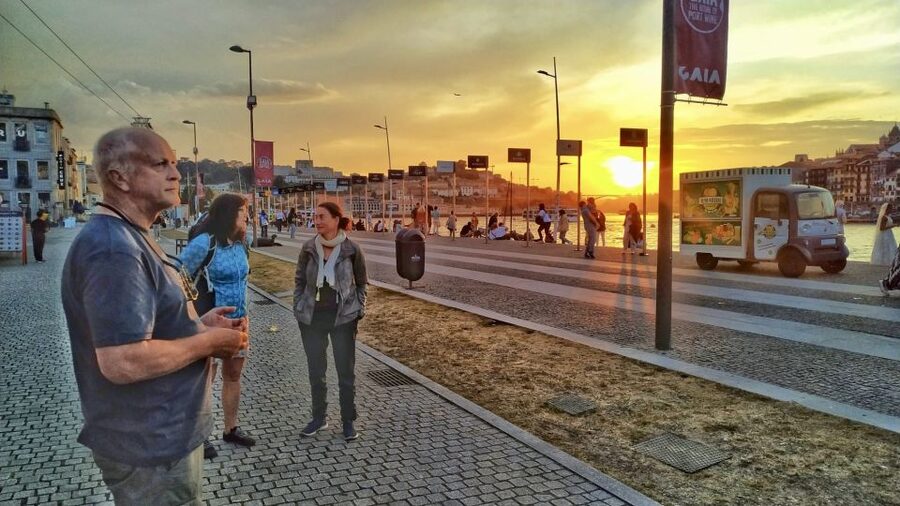
- A guided walking tour through central Porto and into Gaia
- Multiple tastings, including green wine and a Douro DOC glass
- A Port tasting with three Port types and nuts
- A winery visit with a guided tasting component
- Small-group attention, max 8 people
If you tried to buy these separately, you would often pay similar totals just for tastings, especially if you include a guided producer visit. Here, the walking route also adds real context, like Ribeira, the Douro River area, and Dom Luis Bridge. That is hard to get when you only do a single tasting somewhere.
The main reason this price makes sense is that it is not only about drinking. It is about the explanation and the pacing. A small group also reduces wasted time, because you are not waiting for a larger crowd to shuffle between stops.
Timing, Walking Comfort, and Weather Reality
Duration is 3 to 3.5 hours, and it is structured around short walks plus longer tasting moments. In other words, it is not a marathon, but it also is not a casual sit-and-sip experience.
Wear comfortable shoes. Porto streets can be uneven, and Gaia has its own uneven stretches near the waterfront areas. If rain hits, plan for wet ground and cooler temps. The tour runs in rain or sunshine, so bring a light waterproof layer even if the day looks fine when you leave.
If you are sensitive to alcohol flavors, pace yourself. This is a tasting-focused experience, and you can slow down your sipping without feeling like you are failing the tour.
Who Should Book This Tour, and Who Should Skip It
This is a strong fit if:
- You like wine but do not want a formal class
- You enjoy walking in historic areas like Ribeira
- You want a guide who can connect wine to everyday culture
- You appreciate small-group tours where the guide can slow down for questions
It is not the right fit if:
- You are pregnant
- You are under 19
- You have mobility impairments
One more practical point: this is in a pedestrian city setting. If you have limited endurance, you might still be okay with shorter walks, but the safest approach is to choose an option with less walking.
The Most Praised Ingredients: Guide Style and a Personal Pace
The biggest repeated praise centers on the guide experience. A guide like Verena is described as friendly, relaxed, and highly skilled, with a personal touch that does not feel like a script. People also highlight how much time is taken, including going a bit long when it makes the experience better instead of rushed.
There is also a clear theme of off-the-main-street knowledge. You get shown places that feel less like an obvious tourist checklist, and that makes the whole afternoon feel more local.
Finally, the tour seems to hit a balance between fun and learning. You are not stuck only in lectures, and you are not stuck only in sipping. That is exactly what makes this style of tour a good use of a half day in Porto.
Should You Book This Porto and Gaia Port Wine Walking Tour?
Book it if you want a half-day wine experience with context, and you like the idea of going from green wine to Port without changing plans all over town. The small group size, the guided producer visit, and the mix of Porto and Gaia make it a good value at $69, especially for wine curious travelers who want the “why” behind the tastes.
Skip it if walking is a problem for you, if you want a purely indoor tasting only, or if you prefer big crowds and fast schedules. This one is about pacing, comfort, and conversation, not speed.
If your trip includes Porto and you want one wine-themed activity that also helps you see the city in the right order, this tour is a smart choice.
Recently reviewed around Porto
- Tour Porto: Adventure in Electric Bike Tour★ 4.3 · 11 reviews
- Porto: Tuk tuk Tours with Port Wine Tasting★ 4.5 · 65 reviews
- Tour Porto: Classic Adventure in Electric Tuk Tuk★ 4.7 · 33 reviews
- Tour Porto: Classic Car + A Toast with Port Wine★ 5.0 · 3 reviews
- The Beautiful Story of Porto: Guided Tour with Entry Tickets★ 4.8 · 111 reviews
- From Porto or Aveiro: 516 Arouca Suspended Bridge Tour★ 5.0 · 3 reviews
- Rent an Electric Bike with Bosch motor★ 4.5 · 3 reviews
- Self-Guided Bike to Surf”N”Food Pack★ 4.6 · 13 reviews
Walking Tours, compared.
Porto Walking Tour, Lello Bookshop, River Cruise and Cable Car
Read our review →
Experience Porto’s Charm: 3-Hour Guided Walking Tour
Read our review →
Walking Tour, Lello Bookshop, Boat and Cable Car
Read our review →Browse the lists this tour appears in