
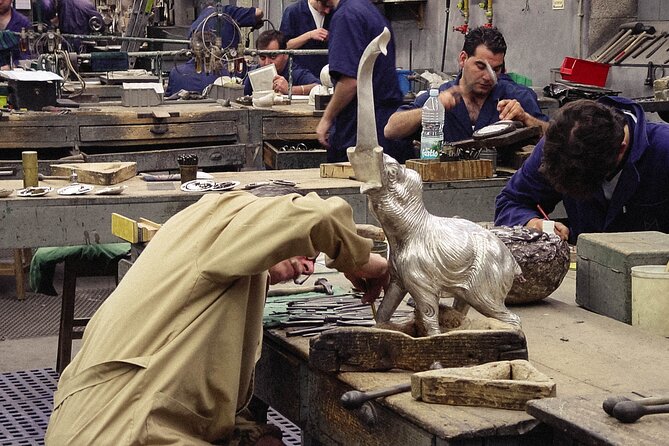
Reviewed · WORKSHOPS
Porto: Tour to the world of silver in a century-old workshop
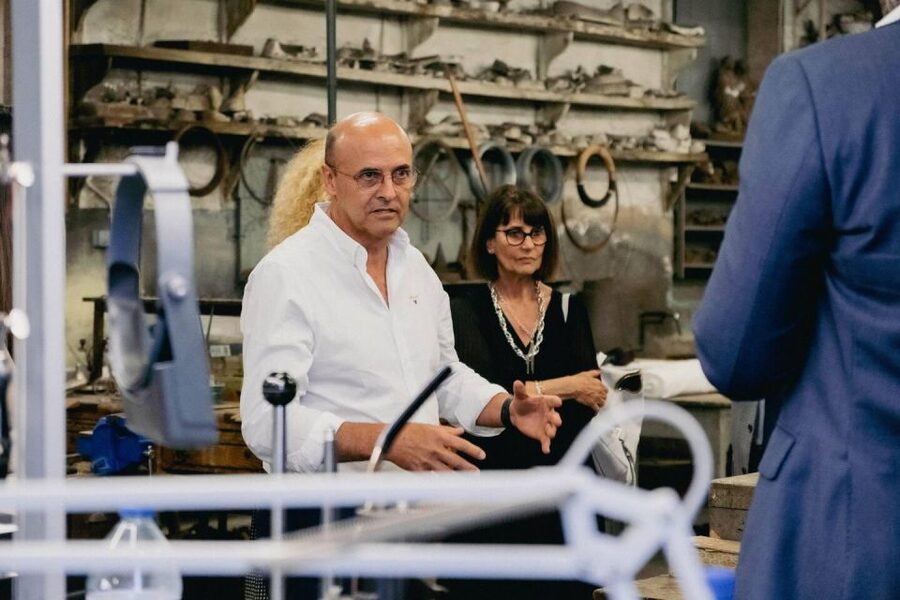
If you like craft work you can actually see and touch (at least with help), this Porto visit is interesting because it happens inside a working, century-old silversmith workshop. You start in their store and then move into the production area and showroom.
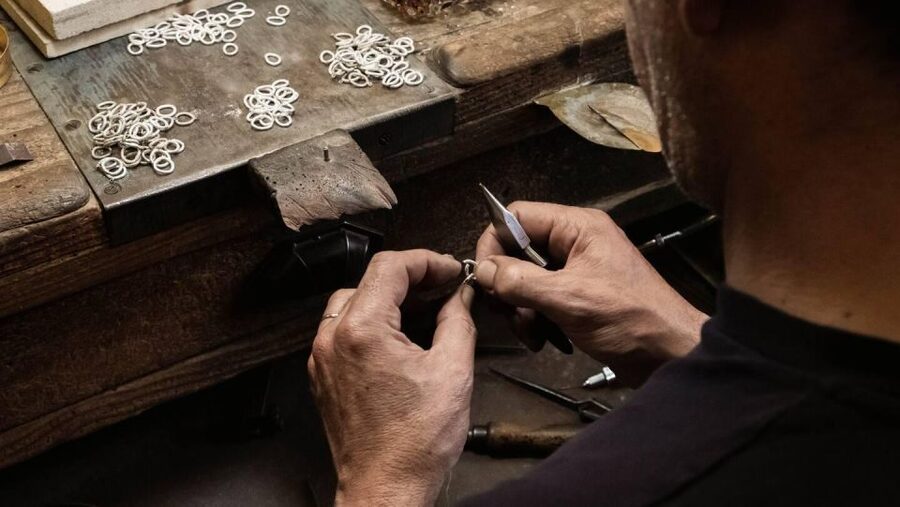
I love the chance to assist the artisans on site, even during a short visit. I also like how the guide explains manual techniques such as casting, molding, and chiseling, then connects those methods to the finished jewelry and objects.
One consideration: it is only 1 hour, so it is not the kind of slow, long hands-on class where you master the full process.
Key things to know before you go
- A working family workshop: Alcino Silversmith has been operating since 1902, spanning 6 generations.
- A real production floor: You get workshop access, not just a look at finished pieces behind glass.
- Learn by doing: You can interact and assist artisans in the process.
- Manual techniques explained: casting, molding, and chiseling are part of the tour story.
- Showroom with 3 room-style spaces: it is set up like different areas of a house filled with silver objects.
- Small group pace: limited to 10 participants, so questions are welcome.
Why this Porto silver workshop feels different from a typical attraction
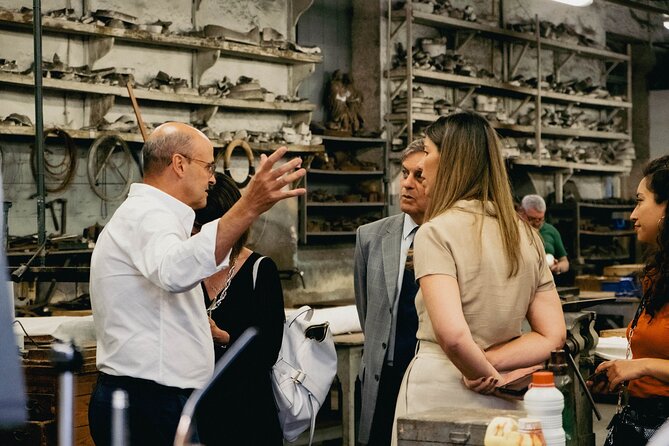
Porto has plenty of history, tiles, churches, and famous views. This experience is different because it is about hands, tools, and repeatable techniques. A century-old workshop is not just a setting, it is where the work continues.
Alcino Silversmith is a family business with 120 years of existence and 6 generations. It has also been recognized as an Entity of Historical Interest. That matters because you are not visiting a decorative showroom that borrows the vibe of craft, you are walking into a place where silver items are made for jewelry, decor, sacred pieces, and cutlery.
The big win is that the visit is structured, but still practical. You will learn the “how” behind the “what,” which makes the finished pieces easier to understand once you are standing in front of them.
A few other ways to explore Porto
- Porto: Pastel de Nata Pastry-Making Workshop
★ 4.9 · 1,542 reviews - Porto: Pastel de Nata Cooking Class with Port Wine – Sé
★ 4.8 · 888 reviews - Porto: Small Group Surf Lesson with Transportation
★ 4.9 · 594 reviews
Your one-hour plan, start to finish (and what each part is really for)
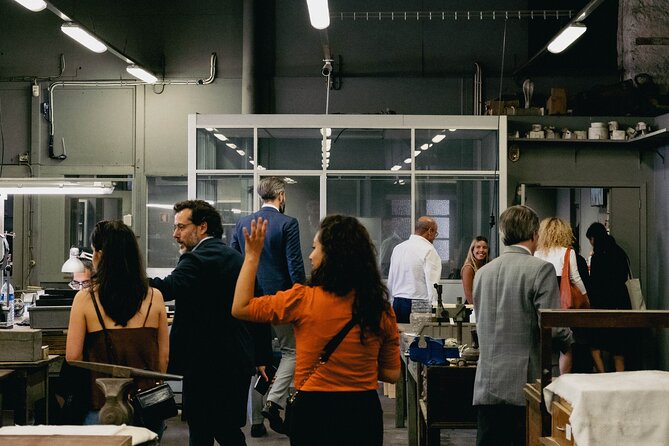
This is a compact tour, designed to fit into a busy Porto day. The total time is 1 hour, and the group stays small, up to 10 people.
Step 1: Arrive at the Alcino Silversmith store
Your meeting point is the Alcino Silversmith jewelry store. You can come in when it is time or call the team if you need help finding the entrance.
Why this is useful: arriving inside the store means you can get your bearings fast. Before the guide starts, you can already see the style of the objects you will hear about later.
Step 2: Guided tour through the workshop
Next comes the workshop access portion. This is the moment that makes the tour worth it. You get to see how artisans work with silver using manual methods, not just how the items look in photos.
You can expect the guide to explain parts of the workflow, with time set aside so you can interact and assist artisans in loco. The tour is meant to feel like a guided look at the process, with enough participation to keep it from being passive.
One helpful practical note: the tour includes access and movement through the workshop and showroom, so wear shoes you are comfortable standing and walking in.
Another way to spend your time in Porto:
- The Unvanquished Tour in Porto City Center
★ 5.0 · 26,497 reviews - From Porto: Douro Valley w/ Boat Tour, Wine Tasting & Lunch
★ 4.7 · 19,061 reviews - Complete Douro Valley Wine Tour with Lunch, Wine Tastings and River Cruise
★ 5.0 · 12,920 reviews - Porto: Live Fado Show with Glass of Port Wine
★ 4.8 · 6,498 reviews
Step 3: Learn the manual techniques (what you will understand by the end)
A key part of the experience is learning manual techniques of goldsmithing. The tour specifically covers casting, molding, and chiseling.
You do not just hear the buzzwords. You learn what these techniques are for in real making. That turns silver objects into something more than pretty decorations. You start noticing how details are created, which also helps you appreciate why certain pieces cost what they do.
You might also see a mix of traditional methods and newer equipment, depending on what the workshop is using that day. The effect is practical rather than theatrical: the workshop is still a craft environment, but it is not stuck in the past.
Step 4: Showroom access, three room-style areas
After the workshop, you visit the showroom. The space is divided into three rooms with different environments, set up like divisions of a house decorated with their silver objects.
This layout helps you look with intention. Instead of one long corridor of items, you see pieces grouped by feel and purpose, which makes browsing easier. You can also connect what you just learned about techniques with what you see on display.
Step 5: Store access, browse without pressure
Finally, you have store access. You can look around and, if you want, purchase a piece. The key is that the tour setup leaves room to browse at your pace.
I like this part because it turns the tour into a memory you can carry home. Even if you do not buy, you leave with a sharper eye, because you know what to look for: workmanship, process, and how details are achieved.
The family business angle, 6 generations of making things by hand
Plenty of places claim tradition. Alcino Silversmith backs it up with real continuity. Since 1902, the workshop has been passed across multiple generations, and the brand produces multiple categories of silver work.
You will see or discuss jewelry collections and decorative pieces, along with religious items and cutlery. That range matters. If all you make is jewelry, the tour would focus only on one type of finishing. Here, the variety helps you understand that silverwork is not one single process. Different items demand different approaches and details.
The historical recognition also adds weight. When a workshop is tied to its own long timeline, you can feel why techniques are protected and taught within the family line. It is less about novelty, more about ongoing skill.
What it is like to assist artisans (and what you should bring mentally)
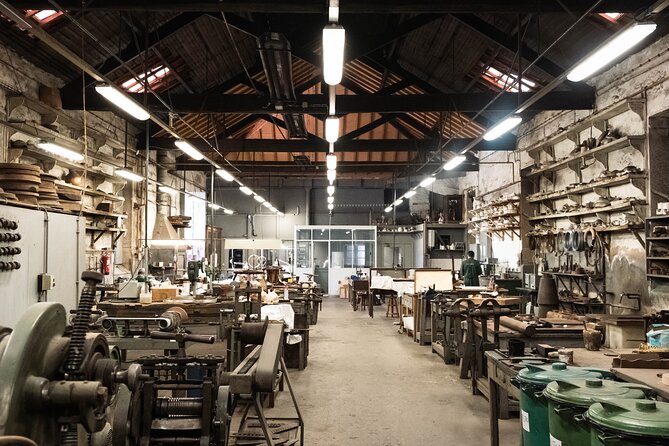
One of the tour highlights is interacting and assisting artisans in loco. In plain terms, you are not just watching. You get a chance to take part in some portion of the process, guided by people who do this all the time.
That is where this experience earns its top marks. When you try even a small step, it becomes obvious why silverwork needs patience. The tour also helps you connect technique to outcome. You will see how a process step influences what the final object looks like, and why certain details require careful handling.
Practical mindset tip: go in curious, not expecting to become a silversmith in 60 minutes. Instead, aim to understand how artisans think, and how they break work into steps.
Techniques you will hear about: casting, molding, and chiseling
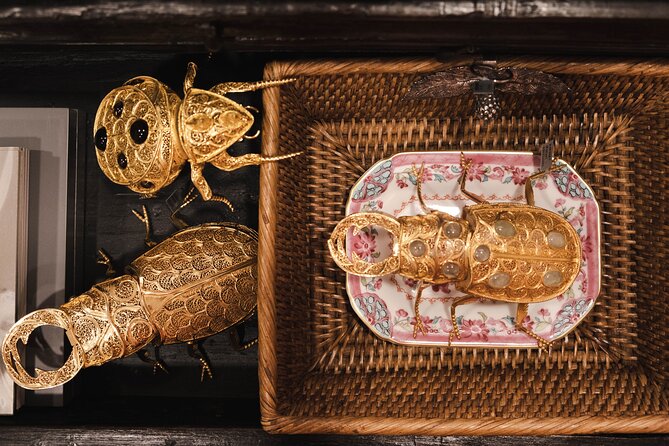
Silverwork can sound abstract until you have names for the methods. The tour lays out several manual techniques so you can follow along.
Casting
Casting is about shaping metal into a form. Once you understand that casting creates the base shape, it becomes easier to spot which details likely came from the process versus later finishing.
Molding
Molding is tied to form and detail, often related to creating repeatable shapes or components. You can use this concept when you look at patterns, textures, and how pieces hold their structure.
Chiseling
Chiseling is where you start seeing how fine detail happens. When you hear about chiseling on the tour, keep an eye out for surfaces that look carved or worked by hand, because that is where the manual control is visible.
Even if you do not remember every definition, the tour teaches you the mental map. You stop asking only What is it? and start asking How was it made?
Inside the three-room showroom, how to look smart without rushing
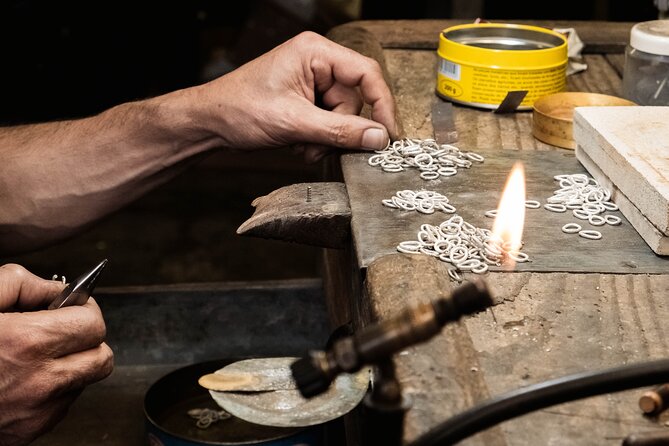
The showroom is arranged in three rooms with different environments, meant to simulate parts of a house decorated with silver. That design helps you compare pieces because you are not overloaded by one continuous view.
Here is how I suggest you shop your attention:
- Start by looking at scale and intended use. Jewelry feels different when you understand it as wearable craft.
- Then look for surface work. This is where chiseling and finishing show up.
- Finally, notice themes. The workshop makes everything from decorative objects to religious items and cutlery, so you will likely see repeated motifs and different levels of ornamentation.
The store access at the end is valuable because you can reconnect what you saw to what you might want to bring home. If you are the type who likes souvenirs with meaning, this is one of the better formats I have seen in Porto: craft education first, buying second if you want it.
Price and value: why a $17 one-hour workshop can be a smart use of time
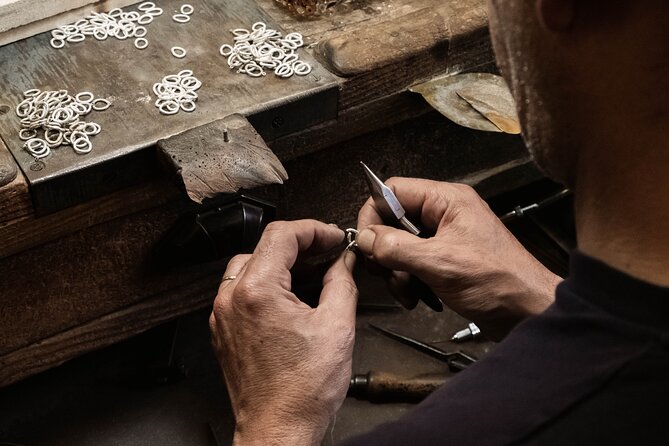
At about $17 per person for a guided visit, this is not a “museum ticket” price. You are paying for workshop access, guided interpretation, and time in the showroom and store.
For value, the key is what you get per minute. In 1 hour you cover:
- history and company background
- workshop process viewing
- manual technique explanations
- interaction with artisans
- showroom browsing across multiple room-style areas
If you are spending a day in Porto anyway, this is a good fit as a shorter indoor stop. It also avoids the common trap of “long tour, minimal substance.” Here, you get enough craft context that the objects start to make sense fast.
You should treat it as a curated introduction to silversmithing, not a full training program.
Who should book this silver tour (and who might skip it)
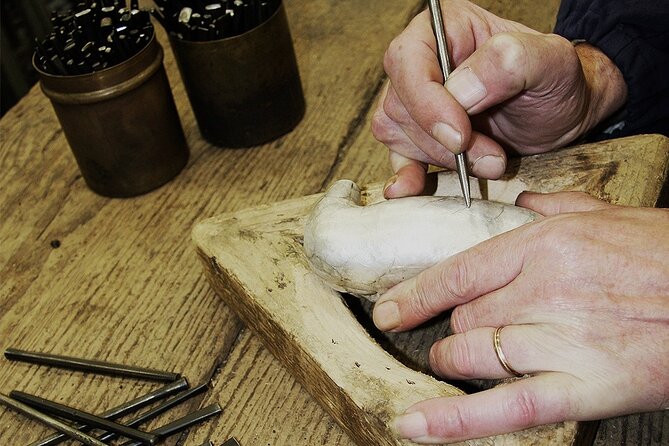
This tour is a strong match if you:
- love handmade objects and want to understand process, not just presentation
- enjoy jewelry, decor, religious art pieces, or cutlery as craft
- want a short, structured activity with a small group and workshop access
- like the idea of interacting with artisans, even briefly
You might skip it if:
- you want a long, in-depth course where you do extensive hands-on training
- you are only interested in sightseeing landmarks and do not care about craftsmanship
If you are traveling with a child, remember children must be accompanied by an adult. The tour is built for a small group setting, so being prepared to keep a calm pace helps.
Practical tips so you get more from your visit
A few small points can make your tour smoother.
Keep it simple with timing
The duration is 1 hour, so plan your day around that block. From Monday to Friday, the last entry is at 5:00 pm. If you are trying to fit it into an evening schedule, aim for earlier.
Come in through the store
Since the meeting point is the Alcino Silversmith jewelry store, plan to enter when it is time. If you are running late, calling can help you find the correct arrival point.
Choose your language comfortably
The guide can run in Portuguese, English, or Spanish. If your language skills are basic, pick the option you are most comfortable following for technical vocabulary. Guides can adjust to your comfort level, but the process terms still matter.
Respect workshop rules
Alcohol and drugs are not allowed. I would also suggest avoiding any strong drinks before the visit because you will be in close quarters around workspaces and tools.
Wear the right shoes
You are walking between store, workshop space, and showroom rooms. Comfortable footwear is the boring but smart choice.
Should you book this Alcino Silversmith tour in Porto?
If you want a Porto activity that feels grounded in real work, I would book it. A small group workshop visit with artisan interaction, technique explanations like casting, molding, and chiseling, and a showroom designed in three room-style spaces is an efficient way to get craft context without spending half a day.
This is also a nice option when the weather is off or when you want a break from the standard “go see, then go eat” loop. It helps you understand what you are looking at in the city, because once you get the process in your head, you notice details everywhere.
I would only hesitate if you need a longer hands-on program or you are strictly after big outdoor sights. For everyone else, it is a smart, thoughtful use of time in Porto, and it is easy to fit into a day.
FAQ
How long is the Porto silver workshop tour?
The tour lasts 1 hour.
What is included in the ticket?
Your ticket includes an entry ticket, a guided tour, workshop access, showroom access, and store access.
Where do I meet for the tour?
You meet at the Alcino Silversmith jewelry store. You can come in when it is time or call the team.
What group size should I expect?
The tour is a small group limited to 10 participants.
What languages are available for the guided tour?
The live guide offers Portuguese, English, and Spanish.
Is the tour wheelchair accessible?
Yes, wheelchair accessibility is listed.
Are children allowed?
Children must be accompanied by an adult.
Is alcohol allowed during the tour?
No, alcohol is not allowed.
What is the last entry time on weekdays?
From Monday to Friday, the last entry is at 5:00 pm.
Recently reviewed around Porto
- Tour Porto: Adventure in Electric Bike Tour★ 4.3 · 11 reviews
- Porto: Tuk tuk Tours with Port Wine Tasting★ 4.5 · 65 reviews
- Tour Porto: Classic Adventure in Electric Tuk Tuk★ 4.7 · 33 reviews
- Tour Porto: Classic Car + A Toast with Port Wine★ 5.0 · 3 reviews
- The Beautiful Story of Porto: Guided Tour with Entry Tickets★ 4.8 · 111 reviews
- From Porto or Aveiro: 516 Arouca Suspended Bridge Tour★ 5.0 · 3 reviews
- Rent an Electric Bike with Bosch motor★ 4.5 · 3 reviews
- Self-Guided Bike to Surf”N”Food Pack★ 4.6 · 13 reviews
Workshops, compared.
Pastel de Nata Cooking Class with Grandma’s Recipe
Read our review →
Pastel de Nata Cooking Class with Port Wine – Sé
Read our review →


Tile-Painting Workshop with Porto Wine – Bainharia
Read our review →

Browse the lists this tour appears in