
Reviewed · PORTO
Porto: Tile Painting and Cocktails in Downtown Porto
Porto has a special kind of public art, the painted tiles on building fronts. This workshop turns that street-level beauty into a hands-on souvenir you make yourself, while you learn the story behind the craft at a relaxed pace.
I like the fact that the session mixes real context with step-by-step help. You start with the tile history and design influences, then you get practical guidance, even if you do not consider yourself artistic.
One consideration: your tile needs time to dry, so you may need to return to the studio to pick it up, depending on when you finish.
The Tile That Explains Porto, One Brush Stroke at a Time
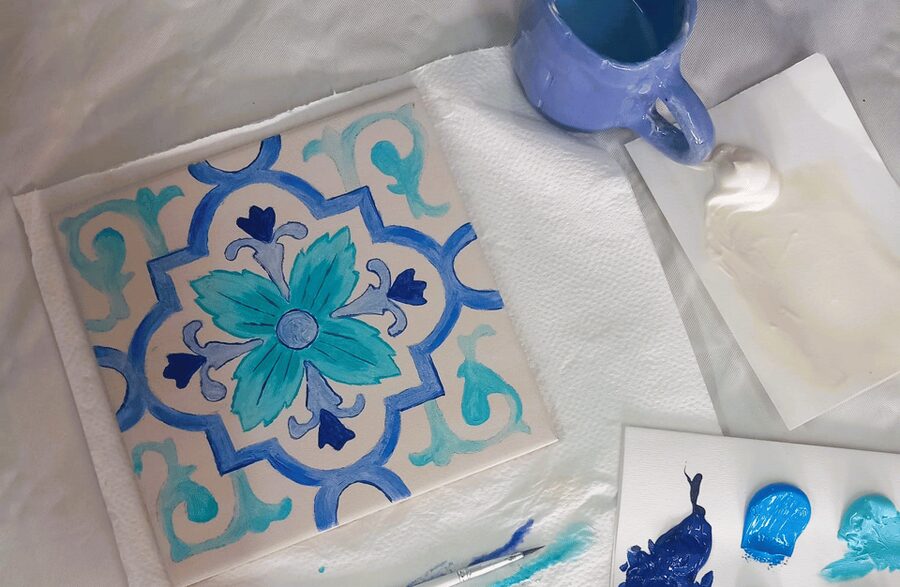
If you only photograph azulejos, you miss the feel of how they were meant to live in Portuguese daily life. Here you sit down and make a tile with your own hands, using guidance that helps you avoid the usual frustration of starting with a blank surface.
The workshop at Boiler Studio is built for a calm flow. You get instruction without pressure, plus a cocktail break while you paint. That cocktail is not an afterthought. It is part of the rhythm that makes the class a nice reset from Porto’s hills and constant walking.
Boiler Studio Meeting Point in Rua Chã 77, Near Porto’s Best Anchors
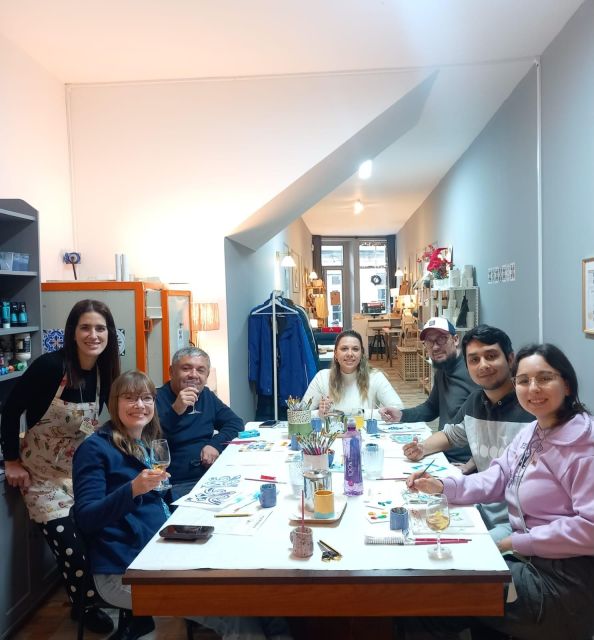
You meet at Boiler Studio at Rua Chã 77, on a typical downtown street right in front of the Cathedral. This location matters because you can pair the workshop with other sights without turning your day into a logistics puzzle.
From here, you are within easy reach of major landmarks like São Bento Train Station, the Luis I Bridge area, Time Out Market, and the Cathedral itself. If you are planning a day around the cathedral district, this class is a smart use of the middle of your afternoon.
The studio is also a shop with handmade products from local artists. That is a small but real bonus. If you finish your tile and have time to browse, you can pick up a second souvenir that is not another postcard.
More of Porto that reviewers rate highly:
- The Unvanquished Tour in Porto City Center
★ 5.0 · 26,497 reviews - From Porto: Douro Valley w/ Boat Tour, Wine Tasting & Lunch
★ 4.7 · 19,061 reviews - Complete Douro Valley Wine Tour with Lunch, Wine Tastings and River Cruise
★ 5.0 · 12,920 reviews
What You Learn Before You Paint: How Azulejos Got Their Portuguese Role
The workshop starts with an explanation of tile history and why it became so visible in Portugal. You cover how azulejos date back as far as the 13th century, connected to the period when Arabs invaded parts of what are now Spain and Portugal. Over time, Portuguese culture adopted and expanded those influences, especially between the 16th and 17th centuries.
You also learn the meaning of the word azulejo, from Arabic roots, pointing to something like small polished stone. That origin helps you understand why the early forms leaned toward geometric patterns and neutral tones, often with blue at the center.
In the classroom portion, you go through different colors, seasons, and cities as part of how tile styles evolved and how they get used today. This is not just trivia. It changes how you look at azulejos on your walk after class. Suddenly you notice pattern choices and regional style cues, not just the overall look.
Painting Your Own Tile: Designs, Stencils, and Step-by-Step Support
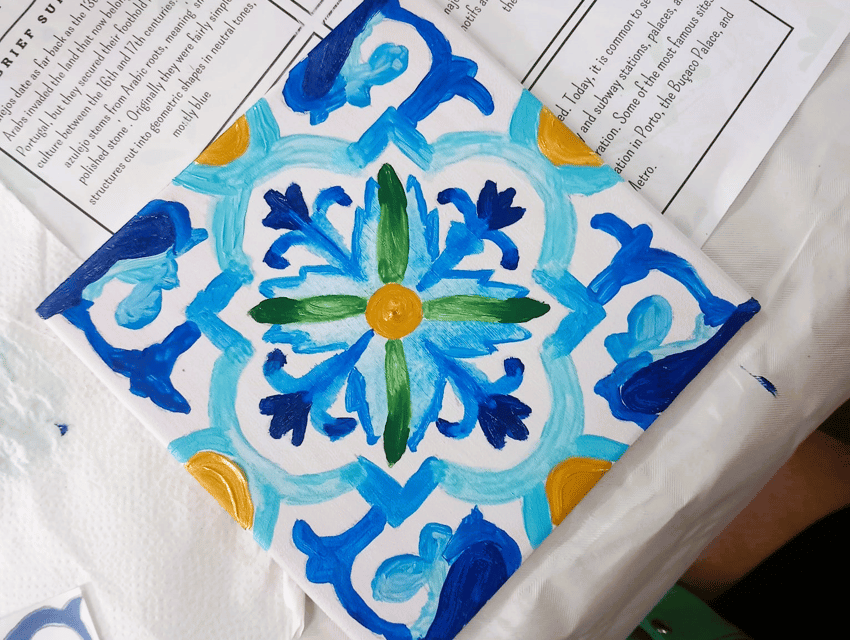
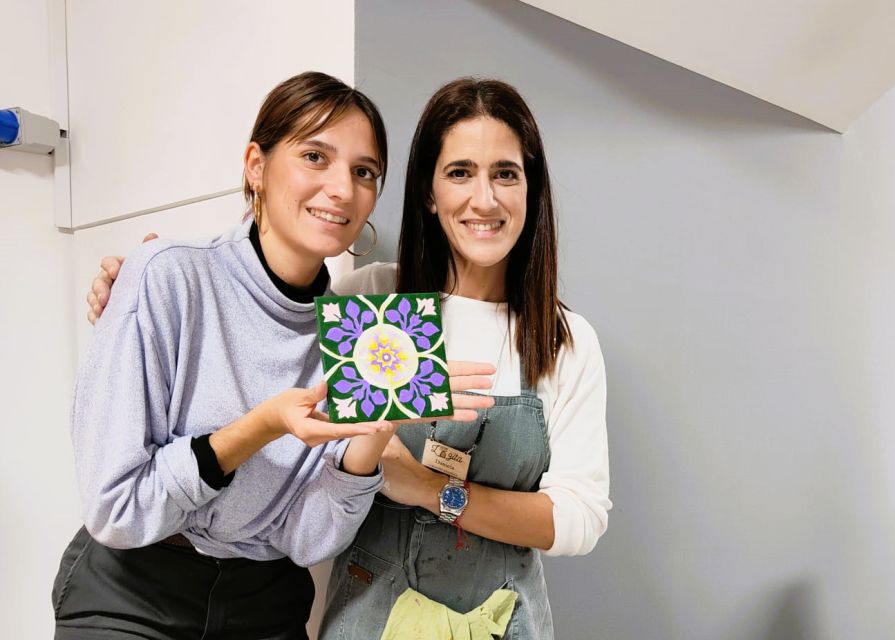
Once the history part sets the stage, you move into the practical section. You paint your own ceramic tile, using acrylic paints and the tools the studio provides. You also get paper packaging, so you are not trying to improvise wrapping in your hotel room.
You do not need to arrive with drawing skills. The class is designed so you can follow a process. Many people appreciate that the host and assistants guide each step and stay nearby if you want help correcting lines, choosing a look, or handling the painting technique.
You can pick from pre-made designs, and some sessions allow you to personalize. Based on what people have described, options can include selecting a stencil or bringing a photo to have something printed for your tile plan. That flexibility helps if you want something more personal than a standard pattern.
If you want a reliable result, do not rush the first stages. Take a moment at the start to set your plan. When your layout is crisp, the painting feels easier.
The Cocktail Break: A Taste of Porto While You Work
The included cocktail turns this from a straight craft class into something more like a Porto afternoon ritual. The workshop keeps music calm and the mood easy. People consistently highlight that the vibe is relaxed, which matters if you are visiting on a rainy day or simply want a slower moment than the typical sightseeing loop.
You might see familiar Porto flavor notes in the drink. Reviews mention options like Porto Tonic and port spritzer styles, and at least one person noted a white port wine and tonic cocktail. The key point for your planning: you do not need to order anything extra. A cocktail is part of the price.
This is also a social setting without being a party. You work alongside other participants, chat as you paint, and get tips from the host as needed.
Another way to spend your time in Porto:
- Porto: Live Fado Show with Glass of Port Wine
★ 4.8 · 6,498 reviews - Porto: 6 Bridges Douro River Cruise
★ 4.3 · 6,472 reviews - Porto: Torre dos Clerigos Entrance Ticket
★ 4.6 · 6,395 reviews - Douro Valley: Wine Tour with Lunch, Tastings & River Cruise
★ 4.6 · 6,081 reviews
How the Session Works in Real Time (And Why 2 Hours Feels Right)
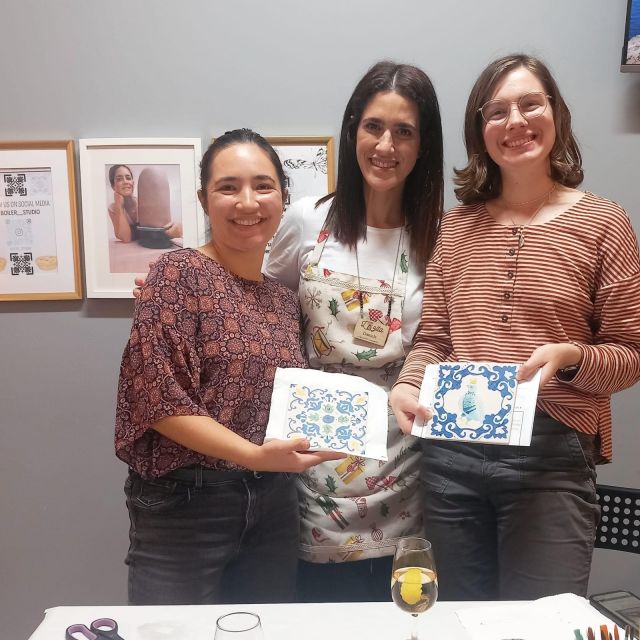
The total experience is 2 hours. That duration is a sweet spot for two reasons.
First, it gives time to understand why the tile tradition matters in Portugal before you start painting. You get the story, then you act on it.
Second, 2 hours avoids the classic “art class that swallows your entire day” problem. You can schedule this between major sights or after a morning of walking around Ribeira and central Porto.
If you are worried you will not finish, most of the design choices are set up to keep the process practical. People repeatedly mention that help is available throughout, and the studio makes it comfortable even if you feel unsure about art.
Taking Your Tile Home: Drying Time and the Best Pickup Plan
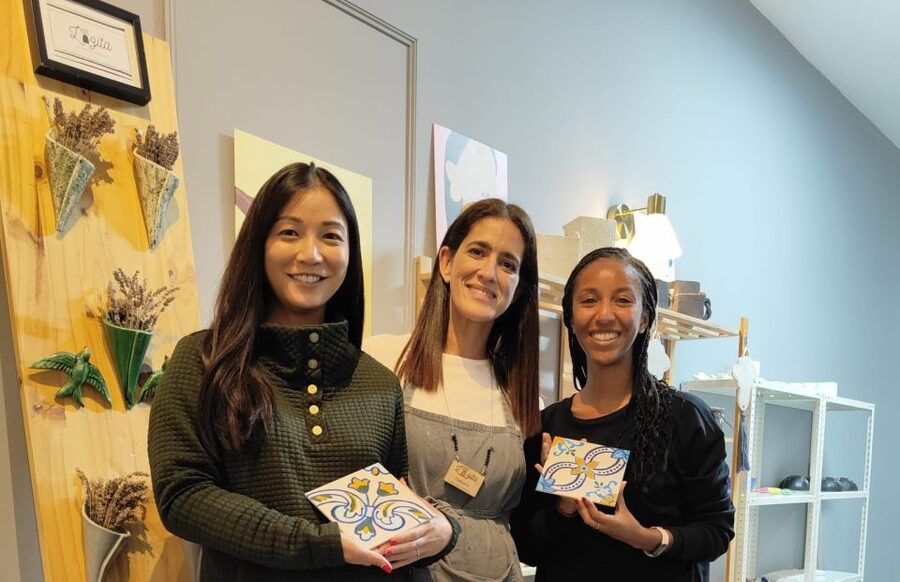
You leave with a tile to take home, and that is a big part of the appeal. It is a souvenir you made, not something that ends up stuck in a drawer.
That said, plan for drying time. Some people mention that the tile can be picked up the same afternoon, and others note you might need to return later, depending on how long you took and how fast the tile dries. The safest approach is simple: if you have a tight schedule, ask on arrival when you can pick up your finished tile.
The studio provides paper packaging, which helps keep your tile protected once you are ready to collect it.
Price and Value: $41 for Tile, Materials, History, and a Cocktail
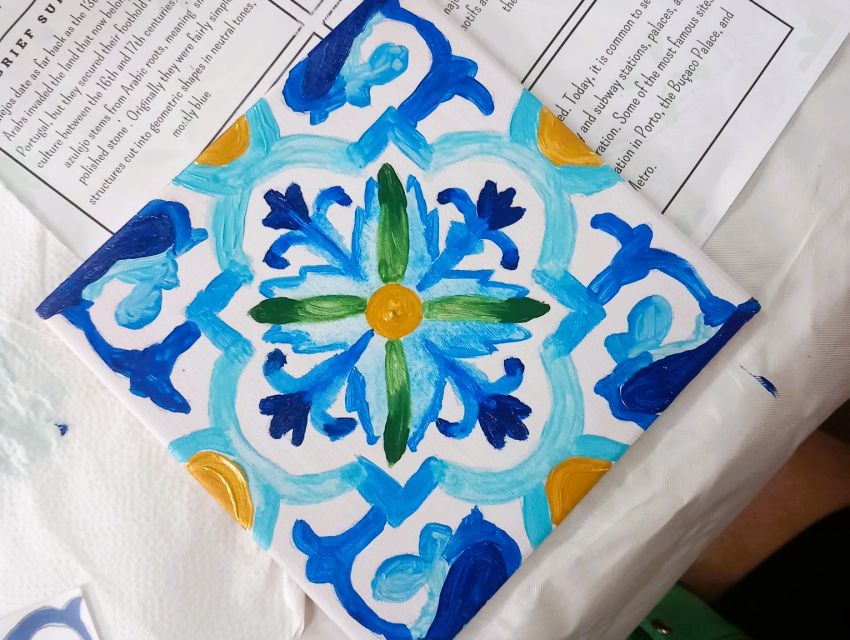
At $41 per person for a 2-hour activity, this is not just a cheap craft to fill time. You are paying for several things bundled together.
You get:
- Ceramic tile and acrylic paints
- Paper packaging
- Texts about the tile history
- A cocktail
- All materials needed to complete the session
That bundle is what makes it feel like value. You are not buying supplies, figuring out a technique, or paying separately for a guide. The history component also matters. Learning why azulejos look the way they do helps your tile become more meaningful.
If you are traveling with someone who likes architecture or local traditions, this is one of those activities that genuinely connects art to place. If you are traveling with someone who just wants a break, the calm music plus cocktail helps you reset without feeling bored.
Who This Workshop Is Best For (And Who Might Prefer Something Else)
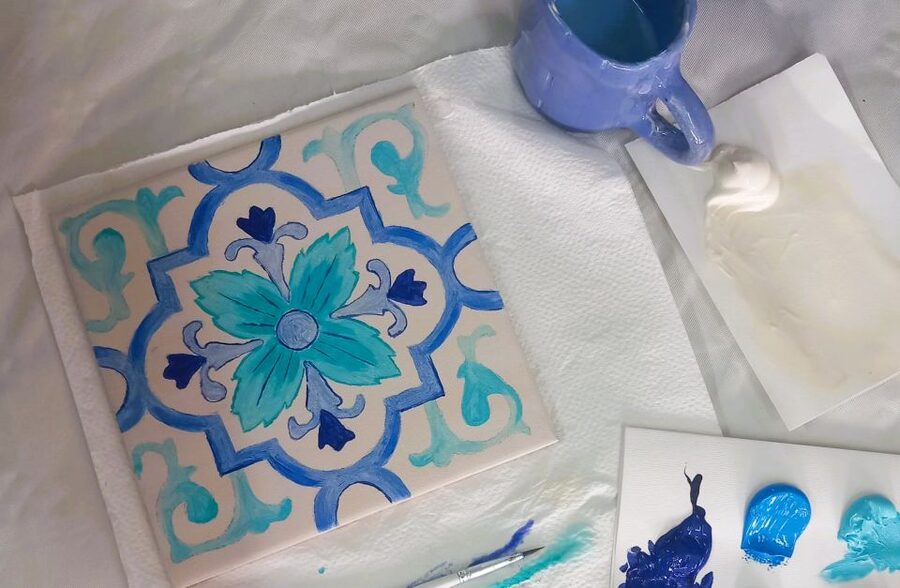
This fits best if you want a hands-on, low-stress activity that still teaches you something you will use on your next walk around Porto.
It is especially good for:
- People who like arts and crafts but do not want to be tested
- Visitors who want a Porto souvenir with real personal input
- Anyone who wants a calm break in the middle of a sightseeing day
There is an age guideline: it is not suitable for children under 10. So if you are traveling with younger kids, you will need to look for another option.
Also consider your mood. This is not a high-energy, marching-through-streets type of tour. It is a seated workshop with calm music and plenty of guidance.
Hosts, Language, and the “No Pressure” Feeling
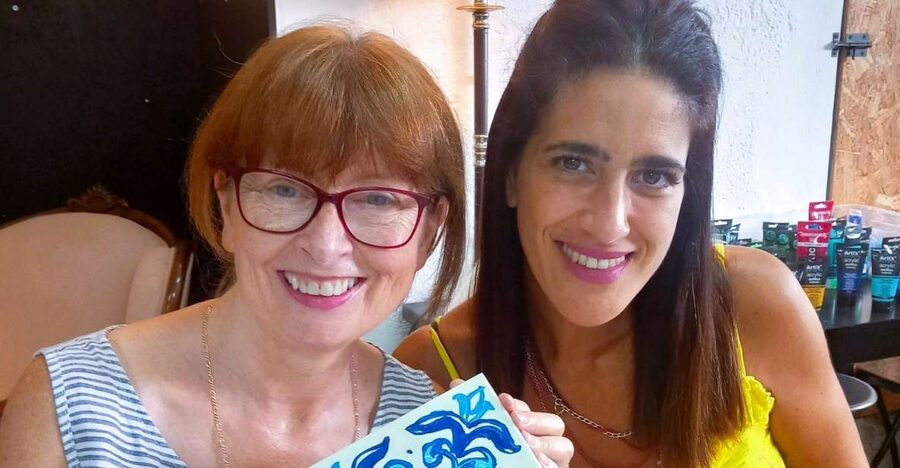
The workshop is led with instruction in English and Portuguese, which makes it easier to follow even if your Portuguese is basic.
The experience often feels personal because the host and staff are hands-on. Reviews repeatedly mention hosts like Daniella and Danielle, plus Emmanuel and Diogo, and people highlight that the guidance is patient and attentive. That matters because the difference between a fun craft and an annoying one is usually the quality of help when you get stuck.
If you are the type who worries about making mistakes, this workshop is set up to reduce that stress. The process is structured, and assistants stay available.
Small Rules That Keep Things Simple
The studio asks that you do not smoke and that you do not bring fireworks or explosive substances. It is a standard safety setup for a small indoor workspace, and it contributes to the calm atmosphere.
You can also treat this like a normal indoor activity: wear comfortable clothes you do not mind getting a little paint attention. The materials are acrylic, so take common care with sleeves and seating.
Should You Book Tile Painting and Cocktails in Downtown Porto?
Yes, if you want a Porto experience that goes beyond photos and gives you something tangible. The combination of tile history, guided painting support, and an included cocktail makes the 2 hours feel like a well-rounded afternoon, not a rushed novelty.
Book it especially if:
- You are curious about azulejos and want a clearer picture of how Portuguese tile styles developed
- You want a relaxed activity that works even on a rainy day
- You like the idea of taking home a tile you created yourself
Skip it if you are searching for a fast-paced tour with lots of walking and frequent outdoor stops. This is the opposite. You are here to slow down, paint, and enjoy the process.
FAQ
How long is the Porto tile painting and cocktails workshop?
The workshop lasts 2 hours.
How much does it cost per person?
The price is listed as $41 per person.
What is included in the ticket price?
You get a workshop summary with texts about the tile, a ceramic tile, acrylic paints, paper packaging, and a cocktail. All materials needed for the activity are included.
Where is the meeting point for the workshop?
You meet at Boiler Studio on Rua Chã 77. It is described as a typical street in front of the Cathedral.
What languages are offered during the workshop?
The instructor speaks English and Portuguese.
Is the workshop wheelchair accessible?
Yes, it is wheelchair accessible.
Is this workshop suitable for children?
It is not suitable for children under 10 years old.
Do I need to be good at art to enjoy it?
You are guided through the painting process step by step, and the experience is designed so you can succeed even if you are not artistic.
Can I cancel and get a full refund?
Yes. Free cancellation is available up to 24 hours in advance for a full refund.
Is a cocktail included?
Yes. A cocktail is included with the activity.
Recently reviewed around Porto
- Tour Porto: Adventure in Electric Bike Tour★ 4.3 · 11 reviews
- Porto: Tuk tuk Tours with Port Wine Tasting★ 4.5 · 65 reviews
- Tour Porto: Classic Adventure in Electric Tuk Tuk★ 4.7 · 33 reviews
- Tour Porto: Classic Car + A Toast with Port Wine★ 5.0 · 3 reviews
- The Beautiful Story of Porto: Guided Tour with Entry Tickets★ 4.8 · 111 reviews
- From Porto or Aveiro: 516 Arouca Suspended Bridge Tour★ 5.0 · 3 reviews
- Rent an Electric Bike with Bosch motor★ 4.5 · 3 reviews
- Self-Guided Bike to Surf”N”Food Pack★ 4.6 · 13 reviews