
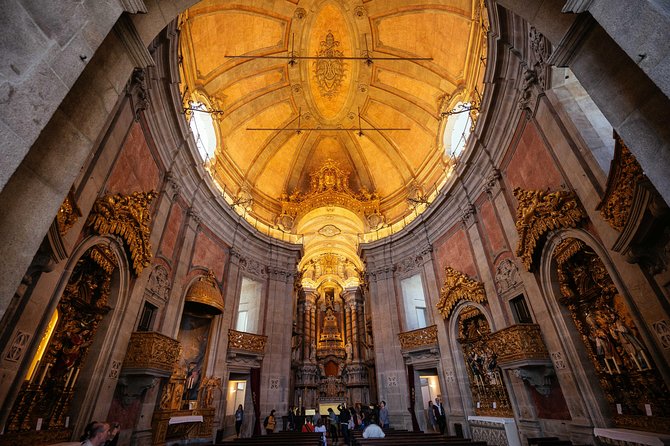
Reviewed · PRIVATE
Porto PRIVATE TOUR With Locals: Highlights & Hidden Gems
Porto is built on hills, tile, churches, and stubborn local pride, so a short private walk with someone who actually lives there is a fast way to make the city click. You can pick a start time that fits your day, and you can adjust the route based on what you want to focus on. Guides such as Mayumi and Victor set the tone early with clear, conversational explanations.
Two things I really like about this tour: first, you start at São Bento Station, where the famous azulejo tiles turn Porto history into something you can actually see and interpret. Second, the experience is designed to feel personal, with a small break for a local drink or snack and an easy pace that makes it less of a checklist and more of a guided walk.
One drawback to plan for: the tour is focused on seeing sights from the outside, and it does not include attraction entrances. Also, even with hill-smart routing, Porto is still Porto, so you should expect uneven sidewalks and some uphill walking if you’re going at a normal sightseeing pace.
Key things to know before you go
- Private, just you and your guide, so you can ask questions and steer the walk
- São Bento Station is the storytelling anchor, with Beaux-Arts style and iconic tile panels
- Clérigos Tower area gives you major Porto architecture without making you run all day
- Rua das Flores is a quick stroll through a flower-lined alley tied to old Porto gardens
- A local drink or snack is included, so you get a break that feels like part of the experience
- Carbon-neutral approach is part of the tour’s setup, with emissions offset
A 3-hour private walk that helps you read Porto
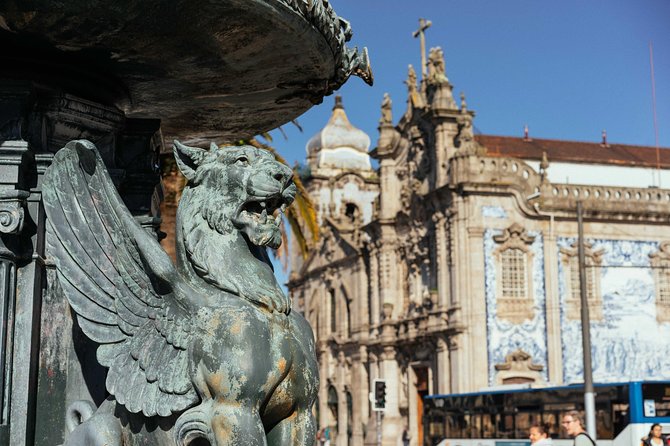
This is the kind of tour that works well when you want the big picture but you also want the “why.” Porto can look confusing at first, with streets bending, staircases appearing out of nowhere, and churches layered into the city like puzzle pieces. A local guide gives you a map you can carry in your head.
The format matters too. It’s private, so you avoid the “hold up the group” problem. You can stop for a question, slow down when something catches your eye, or move along when you’re ready. And since you can select a start time, you’re not stuck with one rigid slot that ignores your other plans.
You’ll finish back in the city center, so you’re not left stranded with a huge transfer later. That’s a small detail, but it changes how smooth your day feels.
A few other ways to explore Porto
- Discover Porto’s Highlights on a 2-Hour Private Electric Tuk Tuk
★ 4.5 · 1,860 reviews - Porto: Private tour in the Douro (1 to 4 people) on a boat just for you
★ 5.0 · 744 reviews - Historic Porto by Private Electric Tuk Tuk to Top Landmarks
★ 4.5 · 735 reviews
From Praça de Gomes Teixeira to São Bento, where Porto starts speaking
Your meeting point is Praça de Gomes Teixeira 10. From there, the tour flows straight into the part of Porto that makes visitors stop and stare for a reason: São Bento Railway Station.
If you’re the type who likes to get your bearings fast, this start is smart. It’s central, it sets a mood, and it gives context before you spend your energy on more street-level wandering. Also, the tour is near public transportation, which helps if you’re arriving from another neighborhood.
You’ll spend about an hour here. The focus is on the station’s visual storytelling and what it represents in Porto’s development. Even if you don’t love trains, this one is about art, civic pride, and how a city uses architecture to say something about itself.
São Bento Station: azulejos, Beaux-Arts flair, and real context
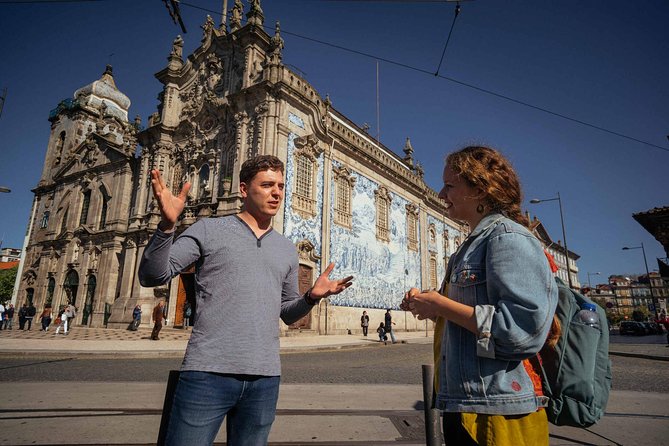
São Bento Railway Station was completed in 1903, and its style is often described as having a look imported from 19th-century European rail culture. That matters because it explains why Porto’s most famous tile panels feel both local and “connected” to a bigger idea of Europe.
Here’s what you should pay attention to as you look at the tiles:
- How the scenes are organized, so your eye starts reading the panels like a sequence
- How the station signals an era when rail travel was tied to modernization and identity
- The way the setting makes Porto history feel public and civic, not tucked away in a museum
The tour does not include any paid admission ticket for this stop. So you’ll want to treat your time here as a guided look at the station’s standout areas and the story around them. If you run into any section that requires a separate ticket, you’ll need to handle that on your own.
Still, this is one of the best places in Porto to understand the city’s “tiles first” reputation. Once you get the meaning, the rest of your walks feel less random.
Clérigos Tower area: Porto’s tallest landmark and why it matters
Next comes Torre dos Clérigos, Porto’s landmark tower tied to the Clérigos church. It’s the tallest building in Portugal, and even if you’re not a church person, it’s impossible not to notice once you’re in the area.
Expect about an hour allocated here, mostly focused on architecture and context rather than a ticketed climb. The tour does not include attraction entry for this stop, and you’ll visit the landmark area from the outside. That’s actually a good match for a 3-hour experience. You get the scale and the presence without burning time in lines or ticket steps.
Why I think this stop is valuable:
- Porto is a city of vertical moments, and the tower is a key reference point
- Churches here are not just religious spaces, they are social and artistic markers
- A local guide can explain what you’re seeing so it doesn’t just read as pretty stone
One practical note for your feet. This part of Porto is often surrounded by classic narrow streets and stairs. Your guide may steer you around the steepest segments when possible, and that hill-smart pacing is one of the most praised parts of the experience.
Another way to spend your time in Porto:
- The Unvanquished Tour in Porto City Center
★ 5.0 · 26,497 reviews - From Porto: Douro Valley w/ Boat Tour, Wine Tasting & Lunch
★ 4.7 · 19,061 reviews - Complete Douro Valley Wine Tour with Lunch, Wine Tastings and River Cruise
★ 5.0 · 12,920 reviews - Porto: Live Fado Show with Glass of Port Wine
★ 4.8 · 6,498 reviews
Rua das Flores: the flower alley stroll that feels like a time machine

After the tower area, you’ll pass by Rua das Flores, famous as a floral alley. It’s known for its flower-lined vibe, but the real reason it sticks in your mind is the old connection: the street dates back to the 16th century and was attached to the bishop’s gardens.
That small bit of history helps you enjoy it more than if you just treat it as a pretty passage. It becomes a street with a past purpose, not just a photo background.
This stop is also listed as free. Expect a slower, more relaxed walking moment compared to the bigger landmark areas. You’ll likely spend about an hour here, depending on your guide’s route and how much time you want to take for photos and questions.
The drawback: since it’s a “street experience,” it can feel like Porto’s streets are doing most of the work. If you want lots of indoor sites or a heavy museum schedule, this tour may feel more like guided wandering than structured sightseeing.
The personalized part: customizing your walk in real time
This tour’s main advantage is not that it hits three famous names. It’s that it’s private and adjustable. Your guide can customize your itinerary either in advance or on the day, depending on what you care about.
In practice, that means you can often ask:
- What should I see first to understand Porto quickly
- Which streets are worth slowing down for
- What to avoid if I want an easier walking route
Guides like Helena are noted for balancing hill time with “important locations,” so you still feel like you covered the right ground. Carlos is also described as accommodating when plans shift, which is useful if your day runs off schedule or you decide you want more street-level culture than architecture.
If you like tours where the guide talks like a human, not a radio, you’re in the right place. The tone across guides is consistently conversational, and the best part is how they answer questions without rushing you.
Also, you may get extra planning help after the walk. Some guides are praised for sending follow-up notes with restaurant ideas and tips for planning the rest of your Porto days. It’s not a guarantee, but it’s a pattern worth hoping for.
Your included drink or snack: a small pause that keeps the pace friendly
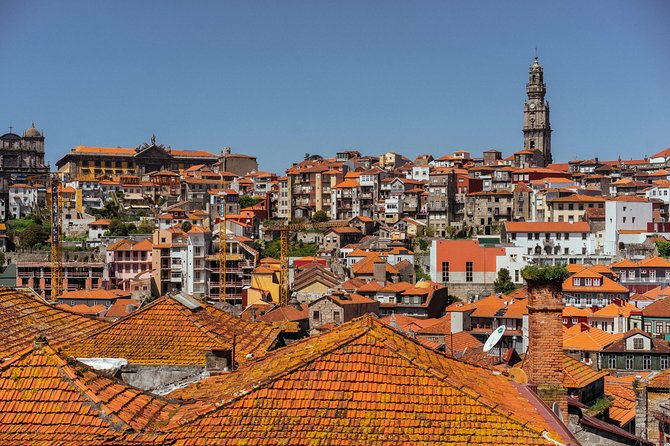
One of the more practical inclusions is a local drink or snack. That matters because Porto walks can stack up quickly, especially if you’re mixing hills with lots of standing around for views.
I like this kind of inclusion because it’s not just a random tasting. It’s a timing tool. You take a break while your guide is still right there with context, so you don’t lose the thread of the tour.
Where the break happens can vary by route. The important thing is that it keeps the tour from turning into a nonstop “go go go” march.
What you pay for separately: entrances are not included
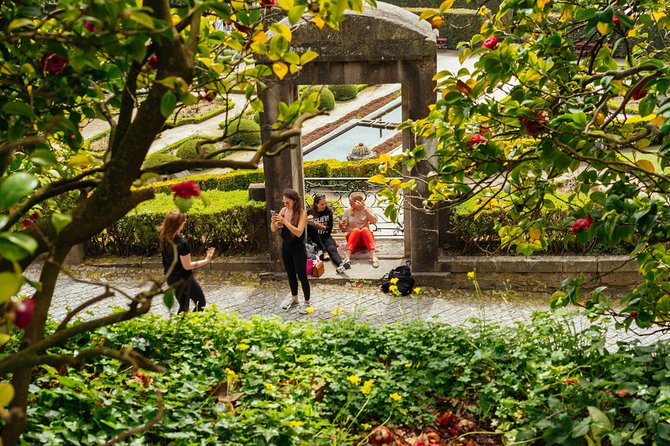
This tour clearly labels entrance tickets as not included for the stops listed. You’ll mostly be seeing sights from the outside, which is why the time stays flexible and the walking stays simple.
So you should think of the price as paying for:
- a private local guide in a 3-hour window
- guided interpretation and route planning
- a included drink or snack
- time spent at major reference points that help you navigate Porto later
If you want to go inside a church, climb something, or enter a ticketed museum, you’ll need to budget extra. That’s not a dealbreaker, just a planning reality.
A smart approach: use this tour to understand what matters, then choose separately if you want to add one ticketed experience after you’ve seen how the area feels.
Walking conditions in Porto: moderate fitness, real hills, smart routing
The tour calls for moderate physical fitness. Translation: you should be comfortable with stairs, uneven pavement, and uphill stretches. Porto is not flat, even when the route tries to make it easier.
The good news is that your guide can help manage the uphill load. Several guides are described as taking routes that avoid the steepest climbs while still covering important sights. That hill-smart routing can make a huge difference, especially if you’re visiting with limited time or if your legs are already tired from travel day.
Practical tip: wear shoes you can trust. Don’t rely on pretty, thin soles for a city where cobbles and slopes are part of the deal. And keep water in your day bag. The included snack or drink helps, but it’s still a walking tour.
Price and value: how $96.74 can make sense
At $96.74 per person for about 3 hours, this isn’t a bargain-basement walking tour. You’re paying for privacy, a local guide, and a tight route that focuses on the city’s most useful “anchors.”
Here’s when it feels like good value:
- You’re visiting for a short time and want the city to click fast
- You like history and architecture, but you want it explained clearly
- You want to avoid crowds and keep questions flowing
- You’d rather pay for a guide than spend your sightseeing hours guessing what matters
It can be less of a fit if:
- You want a tour packed with ticketed indoor attractions
- You prefer a self-guided plan with no guidance
- You’re mainly shopping for a low-cost way to say you did a “walking tour”
For most visitors, the value hits hardest when this tour is early in your trip. Use it to build a mental map, then you can wander smarter after.
Also, the tour includes a carbon-neutral setup with emissions offset, which is a nice ethical bonus if that matters to you.
Should you book this Porto private tour?
If you want an efficient introduction to Porto that connects architecture, tiles, and old street layout into a story you can remember, book it. It’s especially worth it if you care about asking questions and getting personalized pacing, not just moving from one landmark to the next.
I’d skip or consider another option if you strongly prefer ticketed entrances, long museum time, or you’re looking for a mostly flat stroll. This is a walk with hills and street segments, even when a good guide works to reduce the steepest bits.
One more smart move: plan to use your tour time at the start of your Porto days. Once São Bento and the Clérigos area are in your head, the rest of the city stops feeling random, and your self-guided wandering gets easier.
FAQ
Is this tour private?
Yes. It is a private tour with only you and your local guide.
How long is the Porto tour?
It runs for about 3 hours.
What are the main sights included?
The tour focuses on São Bento Railway Station, Torre dos Clérigos, and Rua das Flores.
Are entrance tickets included?
No. Entrance tickets are not included, and the tour visits attractions from the outside.
What is included in the price besides the guide?
You get a private multilingual local guide, a local drink or snack, and a sustainable carbon-neutral approach with emissions offset.
Where does the tour start and end?
It starts at Praça de Gomes Teixeira 10, 4050-290 Porto, Portugal, and ends in the city center of Porto.
Recently reviewed around Porto
- Tour Porto: Adventure in Electric Bike Tour★ 4.3 · 11 reviews
- Porto: Tuk tuk Tours with Port Wine Tasting★ 4.5 · 65 reviews
- Tour Porto: Classic Adventure in Electric Tuk Tuk★ 4.7 · 33 reviews
- Tour Porto: Classic Car + A Toast with Port Wine★ 5.0 · 3 reviews
- The Beautiful Story of Porto: Guided Tour with Entry Tickets★ 4.8 · 111 reviews
- From Porto or Aveiro: 516 Arouca Suspended Bridge Tour★ 5.0 · 3 reviews
- Rent an Electric Bike with Bosch motor★ 4.5 · 3 reviews
- Self-Guided Bike to Surf”N”Food Pack★ 4.6 · 13 reviews
Private, compared.
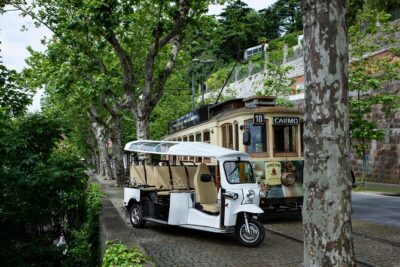
Discover Porto’s Highlights on a 2-Hour Private Electric Tuk Tuk
Read our review →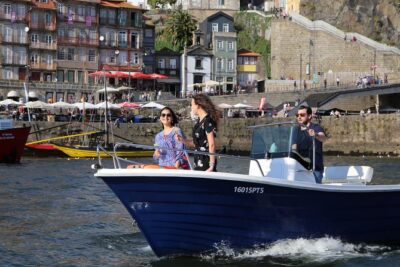
Private tour in the Douro (1 to 4 people) on a boat just for you
Read our review →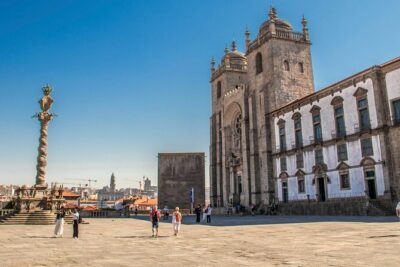
Historic Porto by Private Electric Tuk Tuk to Top Landmarks
Read our review →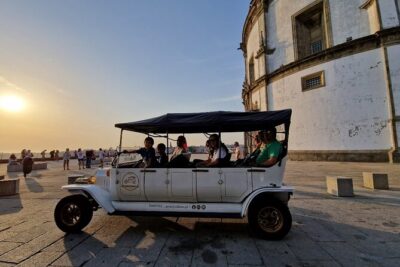
Private Tour of the Historic City in a Classic Ford T
Read our review →
Porto Private Food and Drink Tasting Tour with Local
Read our review →
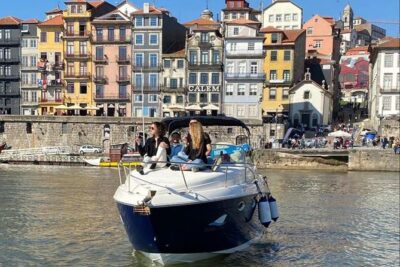
Private tasting in the Douro (1 to 7 people) on a yacht for yourself
Read our review →