
Reviewed · COOKING CLASSES
Porto: Cooking Class with Local Market Visit
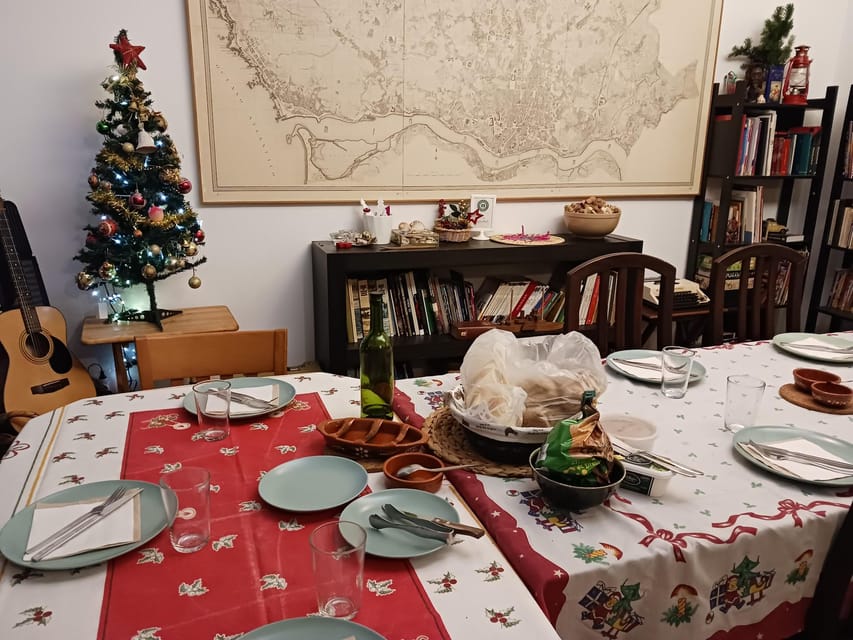
Porto can be a menu you read, not a meal you make. This cooking class flips that. You meet at the host’s home, then head out to shop local, including a market and sometimes an organic garden, before coming back to cook a full Portuguese menu from scratch. I love the market-to-home approach because it teaches you what to buy and why.
I also love how much the instructor, Nuno Miguel Ferreira Silva, ties food to place. You’re not stuck with only recipes, you get stories too, including Portuguese culture that shows up in ingredients and dishes. The one drawback to consider: the class is only about 3.5 hours, so it’s intense and hands-on, not a slow, sit-and-watch dinner.
Key highlights at a glance
- Small-group cooking, capped at 8 people, with lots of time to ask questions while you work
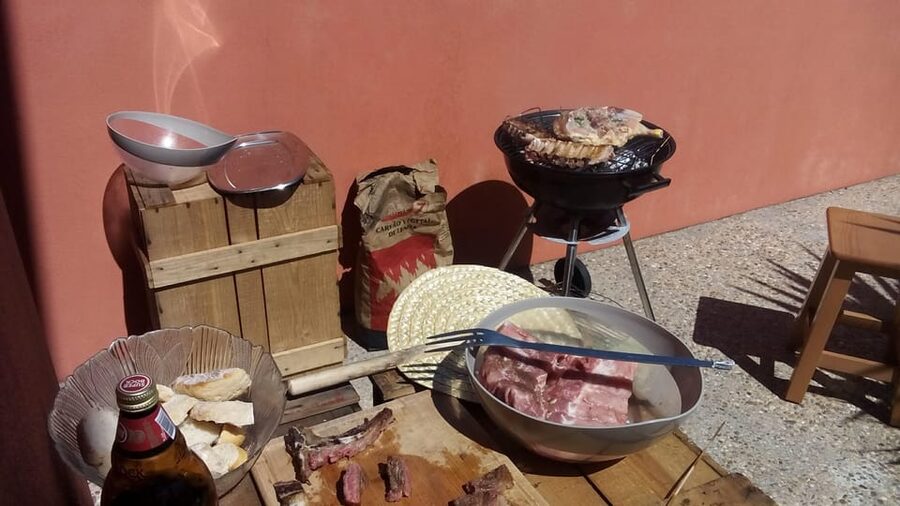
- Local market shopping, including options like a bakery or street butcher, to pick fresh ingredients
- Everything made from scratch, no frozen shortcuts or pre-prepared components
- Portuguese food traditions explained while you cook, from global influences to local staples like alheira
- Wine pairing at your own table, plus tastings such as port and olive oil lessons
- Dietary adaptations available, with an emphasis on telling the host about restrictions ahead of time
From market errands to a full Portuguese menu in 3.5 hours
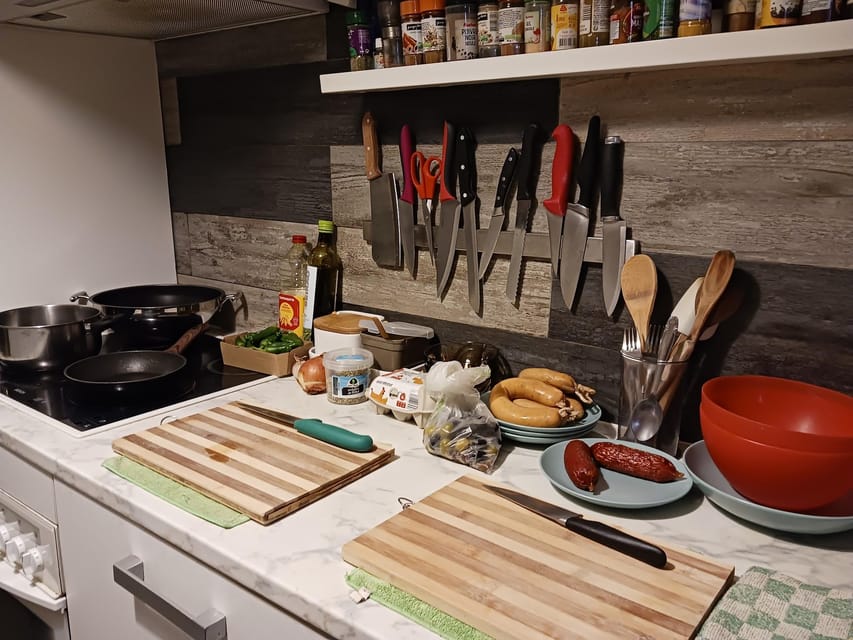
This experience is built around a simple idea: Portuguese food tastes better when you understand where each ingredient comes from and how people cook it at home. Instead of meeting at a restaurant, you start at the host’s home and then walk together to the local grocery area. Depending on that day, you’ll hit small shops like a bakery and street butcher, or you’ll visit an organic garden tied to the host.
It’s a smart setup for two reasons. First, you get real “buying skills,” not just cooking skills. Second, you stay grounded in local produce and local habits while the guide explains the why behind Portuguese cuisine. You leave with recipes you can actually repeat, not only memories of a nice meal.
More cooking classes in Porto:
- Porto: Pastel de Nata Pastry-Making Workshop
★ 4.9 · 1,542 reviews - Porto: Pastel de Nata Cooking Class with Port Wine – Sé
★ 4.8 · 888 reviews - Pastel de Nata | Workshop from scratch | Porto’s city center
★ 5.0 · 449 reviews
Meeting at the home base, then shopping like you mean it
You begin at the host’s place, which sets the tone. It feels less like a class and more like being invited into someone’s kitchen routine. Then you head out as a group to pick ingredients. This is not shopping as a photo stop. You’re selecting items based on what you plan to cook, and the guide talks through what matters.
In the best cooking classes, you learn the “shopping instincts” that make home cooking easier. Here, that means learning what to look for at a local grocery, how to choose key proteins and vegetables, and which products are worth buying in person instead of substituting later. The experience description also makes it clear that you’ll skip frozen or pre-prepared items, so the ingredient hunt matters.
One detail I liked from past participants is how much attention the guide pays to quality. One guest specifically called out that the guide showed the best sardines. That’s the kind of practical direction you can take with you the next time you’re in Portugal, especially if you love seafood and Mediterranean flavors.
Market stops: bakery, butcher, and the ingredient stories that stick
When you walk into small neighborhood food shops, you notice things big supermarkets never teach you. The smells are stronger, the items look more “used,” and the staff cues you into what’s common and what’s special. This class uses that energy in a useful way.
You may visit a bakery to help with pastry and dessert ingredients. You may go to a street butcher to source meat or fish essentials for your meal. And all along, Nuno connects what you’re buying to what Portuguese cooking values.
Portuguese cuisine is shaped by centuries of trade and exploration, including influences from Asia, Africa, and South America. Even if you don’t call it out at the table, you feel it through spices, techniques, and flavors. The class also touches on ethnic traditions that show up in dishes like alheira, a sausage associated with Jewish heritage in Portugal.
Why that matters for you as a cook: you stop treating recipes like isolated instructions. You start seeing them as solutions to local ingredients and cultural history. That makes it easier to adapt dishes at home when exact products are hard to find.
Organic garden time: where Portuguese cooking gets personal
Not every day includes the organic garden, but when it does, it’s more than a pleasant extra stop. It helps you connect the final meal to the start of the growing cycle. You get a feel for the ingredient mindset behind the cooking: fresh, seasonal, and respected.
This also supports the scratch-from-start style of the class. If the plan is to build everything without frozen shortcuts, you need ingredients that can stand up to proper cooking and seasoning. A garden visit nudges that point into focus.
Even if you’re not into gardening, you’ll likely enjoy this section because it clarifies why certain flavors show up repeatedly in Portuguese kitchens. You’re learning the logic behind the menu, not memorizing steps.
A few other ways to explore Porto
- Porto Local Market Visit & Cooking Class / Showcooking
★ 5.0 · 206 reviews - Porto: Local Market Tour & Cooking Class/Showcooking
★ 4.9 · 32 reviews - Chef Led Porto Market Tour & Portuguese Tapas Class + Wine
★ 4.8 · 19 reviews - Porto: Bolhão Market Guided Food Tour
★ 4.6 · 15 reviews
Cooking from scratch: appetizers, main, and Pastel de Nata
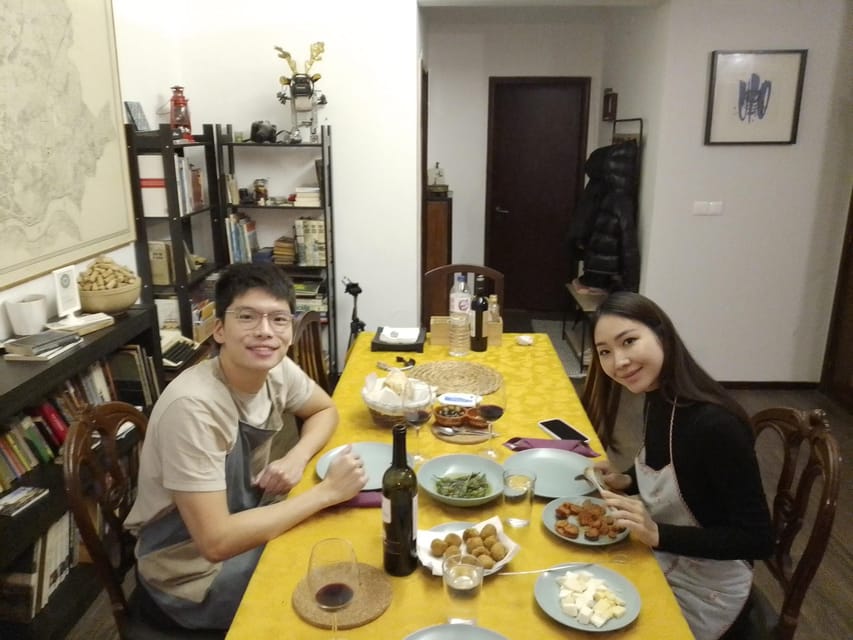
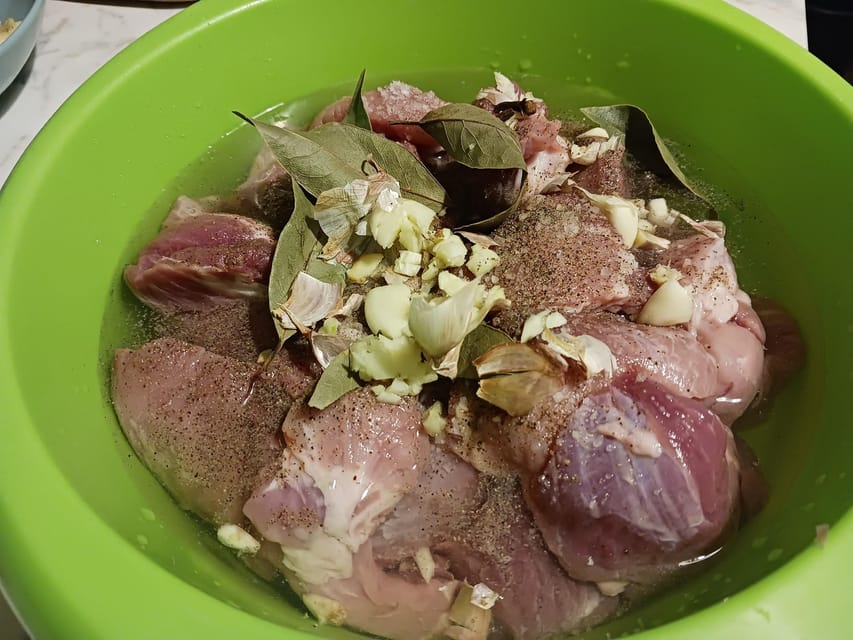
The core of the experience is hands-on cooking. You’ll prepare a full menu with guidance from Nuno, and the group shares a meal you made yourself. The promise here is clear: everything is made from scratch, with no frozen products and no pre-prepared ingredients.
That changes the learning curve in a good way. In a typical cooking class, you might chop vegetables while someone else handles the hard part. Here, you’ll be working through what makes Portuguese dishes work: ingredient handling, seasoning, timing, and technique.
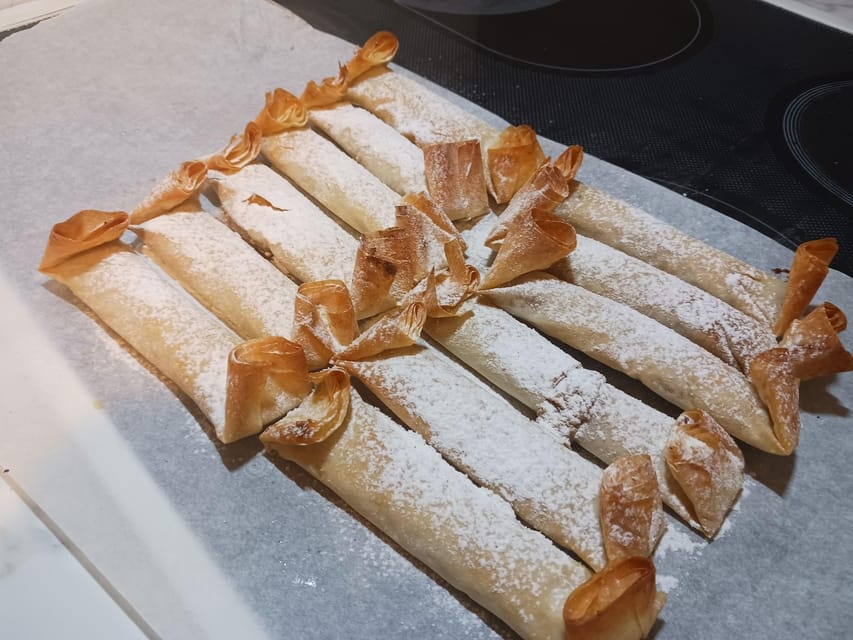
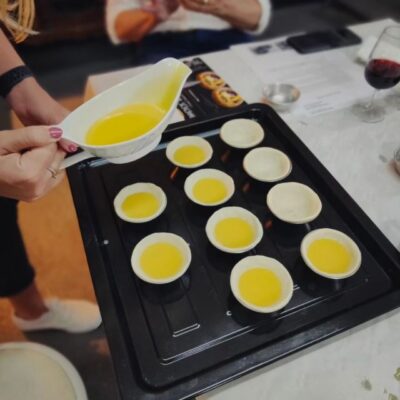
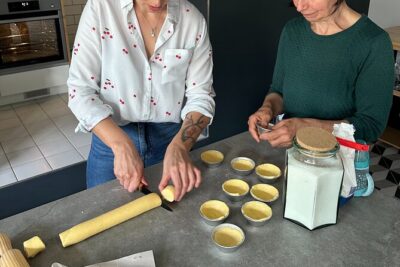
From past participants, one dessert stood out: Pastel de Nata. Learning it during a short class is impressive because it requires attention to dough and baking. It also gives you a real “bring it home” win, since dessert is often the part people struggle to replicate.
For savory dishes, you should expect Portuguese staples, including seafood and other traditional favorites. One guest specifically mentioned an entrée featuring fish, and another emphasized learning cooking tips and tricks you can repeat later. The guiding thread is that you’re not just cooking, you’re learning how Portuguese cooks think about balance and texture.
If you have dietary needs, the experience is designed to adapt to most diets. Tell the host ahead of time so the menu can be adjusted. One participant noted that the instructor worked around serious allergies with real care and a respectful attitude. That kind of flexibility matters if you want to enjoy the meal without stress.
Wine pairing and tastings: port, olive oil, and conversation
Portuguese food is inseparable from what’s in the glass. This class includes wine pairing with your meal, and you should also expect tastings such as port and olive oil. One guest highlighted an olive oil lesson, and another mentioned wine and port along with olive oil tastings.
This is more than “drink because it’s included.” Wine pairing in a cooking class gives you an extra reference point for flavor. When you taste while you cook, you notice how acidity, sweetness, and body interact with salty, fatty, or grilled elements. It’s easier to remember seasoning decisions afterward because your palate is actively engaged.
The class also tends to turn into a relaxed conversation. People come for the food lesson, but they stay for the culture talk. In particular, Nuno’s interests in architecture and Portuguese tilework came up in multiple experiences, and those details help you see Portugal beyond a postcard.
What you really get for $106 per person
At $106 for about 3.5 hours, this isn’t the cheapest option in Porto, but it’s also not just paying for a plated dinner. You’re paying for three big value drivers:
First, you’re getting ingredient shopping as part of the experience, not as a separate task. That means fresh buys that support the scratch cooking rule.
Second, the class is small, limited to 8 participants. That usually translates to better pacing and more personal guidance when you get stuck.
Third, you’re not only eating, you’re preparing the meal, then pairing it with wine. The included structure is built around a full experience, not a quick demo.
If you’re deciding between this and a restaurant, think like this: a restaurant gives you a meal. This gives you the skills to recreate the flavors, plus the context that makes the recipes make sense.
Who this Porto cooking class is best for
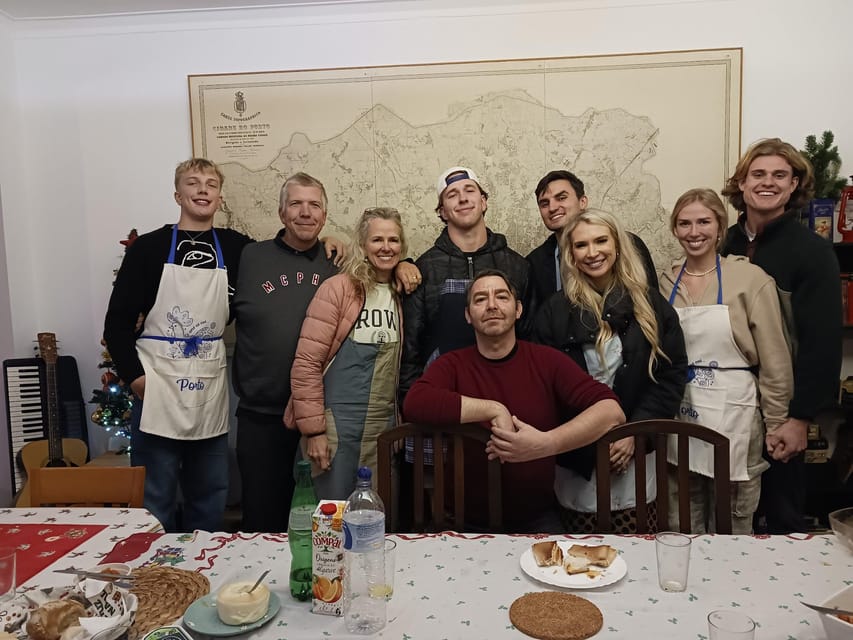
This experience is a strong fit if you:
- Want a hands-on cooking lesson with Portuguese food traditions explained while you work
- Like the idea of learning from small local shops rather than big grocery chains
- Prefer small groups over crowded cooking centers
- Enjoy pairing food with wine and learning the logic behind it
It also suits travelers who enjoy culture in practical forms, like learning why certain dishes exist and how Portuguese cuisine absorbed outside influences during the Age of Discoveries. If you love food history but hate museum-style lectures, this format feels like history you can taste.
Practical considerations before you book
A few things are worth weighing so you can plan without surprises.
It’s hands-on, not a slow dinner
With a 3.5-hour schedule, you’ll be actively cooking and moving through stops. If you want a laid-back evening with minimal work, this might feel busy.
Transportation is not included
You’re responsible for getting to and from the meeting point. If you’re staying far from the local area, factor that time and cost into your day.
Alcohol rules may affect how you participate
The activity rules list alcohol and drugs as not allowed. At the same time, wine pairing is included. If you do not drink or you have concerns, message ahead so you understand what alcohol policy means in practice for your situation.
Mobility constraints
This activity is not suitable for wheelchair users. If mobility is a concern, confirm whether there’s any flexibility in seating and movement, but the published guidance says it is not suitable.
Pets are not permitted
If you’re traveling with a pet, this will not work for you.
Should you book this Porto cooking class with market visit?
If your goal is authentic Portuguese food you can reproduce, I think this is a great choice. You’re not just watching, you’re shopping, cooking, and eating what you made, and you get tastings and wine pairing in the process. The small group size and the guide’s focus on ingredient quality also make the experience feel personal.
Book it if you love market visits, seafood and classic Portuguese dishes, or you want dessert skills like Pastel de Nata without guessing. Skip it if you want a passive evening, have mobility needs that require wheelchair access, or you’re expecting transportation to be included.
If you do book, send your dietary needs clearly before you arrive, because the instructor is set up to adapt menus when you communicate in advance. Then go with an appetite for learning, and you’ll come away with more than recipes. You’ll come away with a better sense of how Portuguese cooks choose ingredients and build flavor.
FAQ
How long is the Porto cooking class with a local market visit?
The experience lasts 3.5 hours.
How much does it cost, and what’s included?
It costs $106 per person. Included are a local grocery shop visit, an organic garden visit, the cooking class, meal preparation, and wine pairing.
How big is the group?
The group is small, limited to 8 participants.
What languages will the instructor speak?
The instructor speaks Portuguese and English.
Do I need to handle transportation to and from the meeting point?
Yes. Transportation to and from the meeting point is not included.
Can the menu be adapted for dietary restrictions?
Adaptations to most diets are possible. You should inform the host of any dietary restrictions in advance.
More Workshops in Porto
- Porto: Small Group Surf Lesson with Transportation
★ 4.9 · 594 reviews - Porto: Tile-Painting Workshop with Porto Wine – Bainharia
★ 4.9 · 526 reviews - Workshops Pasteis de Nata in Porto, Portugal
★ 4.9 · 520 reviews - Port Wine class with 3 or 5 Port tasting and pairings
★ 4.9 · 441 reviews
Recently reviewed around Porto
- Tour Porto: Adventure in Electric Bike Tour★ 4.3 · 11 reviews
- Porto: Tuk tuk Tours with Port Wine Tasting★ 4.5 · 65 reviews
- Tour Porto: Classic Adventure in Electric Tuk Tuk★ 4.7 · 33 reviews
- Tour Porto: Classic Car + A Toast with Port Wine★ 5.0 · 3 reviews
- The Beautiful Story of Porto: Guided Tour with Entry Tickets★ 4.8 · 111 reviews
- From Porto or Aveiro: 516 Arouca Suspended Bridge Tour★ 5.0 · 3 reviews
- Rent an Electric Bike with Bosch motor★ 4.5 · 3 reviews
- Self-Guided Bike to Surf”N”Food Pack★ 4.6 · 13 reviews
Cooking Classes, compared.
Pastel de Nata Cooking Class with Grandma’s Recipe
Read our review →
Pastel de Nata Cooking Class with Port Wine – Sé
Read our review →
Pastel de Nata | Workshop from scratch | Porto’s city center
Read our review →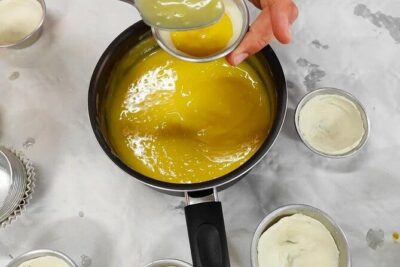
Pastel de Nata Cooking Class with Porto Wine (Sé do Porto)
Read our review →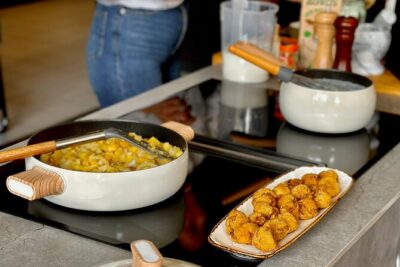
Poças: Guided Tour & Port Wine Tasting with Pastel de Nata
Read our review →Browse the lists this tour appears in