
Reviewed · WORKSHOPS
Porto: Acrylic Painting Workshop for Groups – Antero Quental
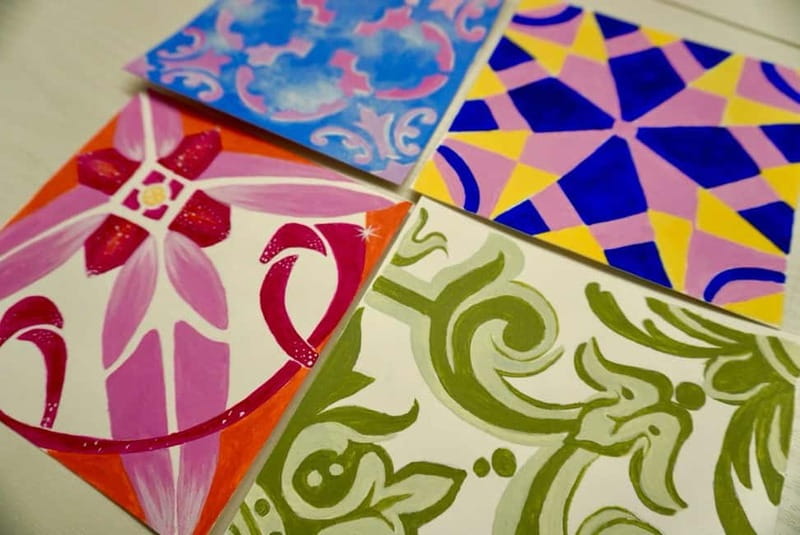
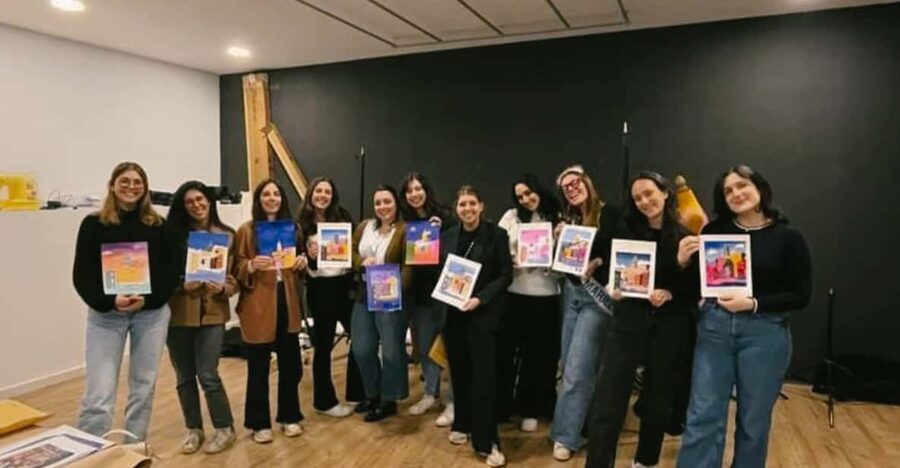
Porto has plenty of great stuff to see, but this is different. You spend two hours making your own acrylic piece using Porto color ideas and learning the techniques that turn random paint into something you can actually control. It is built for groups, including celebrations, so it feels less like a museum stop and more like a shared activity.
I like how the session starts with color theory you can use immediately, then moves into practical brushwork. I also like the personalized guidance that helps different people move at their own pace without getting lost. Each person uses an acrylic sheet (21×30 cm), so you leave with something tangible, not just a memory.
One thing to consider is the time. Two hours is long enough to learn basics and finish a piece, but short enough that anyone expecting a detailed, gallery-level painting will likely need a longer class or extra practice afterward.
Key things to know before you go
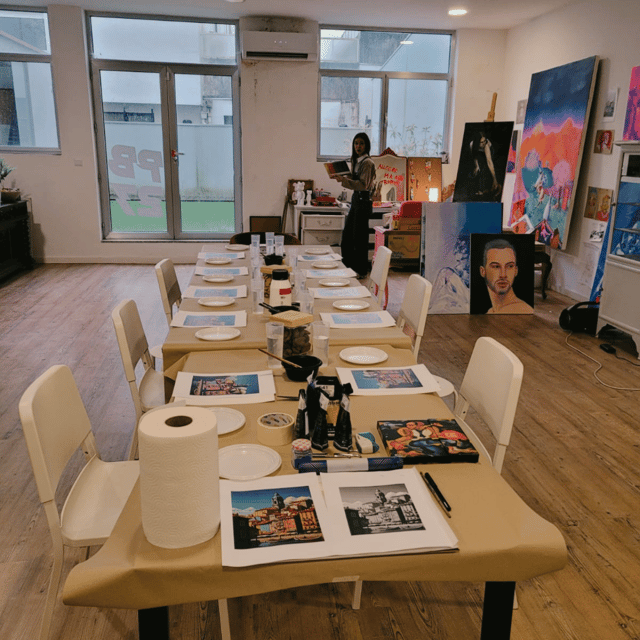
- Color theory you actually use, starting from a primary shade and turning it into multiple tones
- Hands-on acrylic skills like brush angle and pressure, diluting with water, and working with drying layers
- A clear 2-step flow: learn techniques first, then build your own background-to-foreground composition
- Group-friendly vibe built for parties, with instructor support so everyone can create
- All materials included, plus you get your final art to take home
- English instruction with a laid-back pace and plenty of chances to ask questions
Why a Porto acrylic workshop feels like a local experience
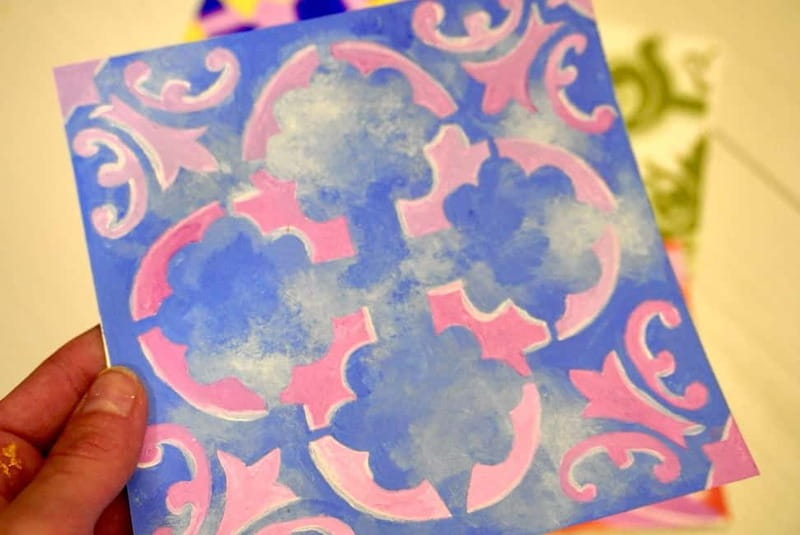
Porto is all color. You see it in facades, tiled details, and the way the light shifts as the day changes. This workshop takes that same idea and gives you tools to translate color into paint, instead of just looking at it.
What makes it interesting for me is that it is not “copy this exact picture.” You start by learning how color behaves, then you apply those moves to your own composition. Even if your goal is just fun and photos, you still end up with a real skill set you can reuse later.
And because it is designed for groups, you get a shared moment that feels more social than a normal guided walk. The included Porto drinks also help, whether you go for something light like coffee or water, or you add a glass of Porto wine.
A few other ways to explore Porto
- Porto: Pastel de Nata Pastry-Making Workshop
★ 4.9 · 1,542 reviews - Porto: Pastel de Nata Cooking Class with Port Wine – Sé
★ 4.8 · 888 reviews - Porto: Small Group Surf Lesson with Transportation
★ 4.9 · 594 reviews
The 2-hour plan, step by step, with what you learn
This is a straightforward timeline. You begin with learning, you practice that learning on an acrylic sheet, then you use it to build your own painting.
Part one: color theory you can test with your own brush
You kick off with color theory focused on light and shade. You learn how different hues change when you add whites or blacks, and how those adjustments create different tones and moods on the page.
A useful part here is the “starting with one shade” approach. You begin with a primary color like blue and then experiment to make a range of tones. That kind of exercise matters because it trains your eye and your mixing instincts, so you stop guessing every time you want a new shade.
You also work with relationships between colors. You try overlaying similar tones and introducing complementary colors to create stronger effects. It is practical, not abstract. You are not just hearing rules, you are testing them right away.
Part two: how acrylics work, and why that changes your results
After you have a handle on tone, you get acrylic-specific technique. Acrylic paint has its own personality, and the workshop covers the parts that actually change how your painting looks after it dries.
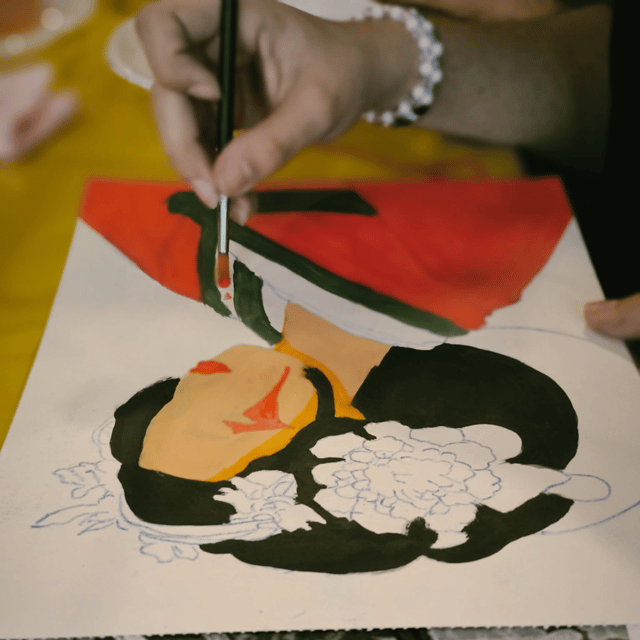
You learn about brushstroke control, including brush angle and pressure. That matters because you can control texture and edges, not just color. You also learn how to dilute acrylic with water so the paint behaves more like a wash when you want it.
Then comes the key piece many people miss: drying layers. You practice the idea that paint needs time to set before you build on top. That turns acrylic from something messy into something you can plan.
The class also includes techniques such as background painting and color temperature veiling. Even if those terms sound technical, you are taught them as methods for creating depth, so the final piece has a background-to-foreground feel instead of looking flat.
Another way to spend your time in Porto:
- The Unvanquished Tour in Porto City Center
★ 5.0 · 26,497 reviews - From Porto: Douro Valley w/ Boat Tour, Wine Tasting & Lunch
★ 4.7 · 19,061 reviews - Complete Douro Valley Wine Tour with Lunch, Wine Tastings and River Cruise
★ 5.0 · 12,920 reviews - Porto: Live Fado Show with Glass of Port Wine
★ 4.8 · 6,498 reviews
The final part: paint your composition from background to foreground
In the second half, theory turns into your own composition. You start layering from the background toward the foreground, and you get help in real time as you work.
A nice detail is how the instructor supports different approaches among participants. That means you are not forced into one style. You learn a process, then you apply it in a way that fits your instincts and the choices you make with color.
You also keep working with the same core concepts you practiced earlier, so your painting feels connected to what you just learned. When you finish, you have a final art piece that you can take home.
What you can expect to paint in Porto’s color language
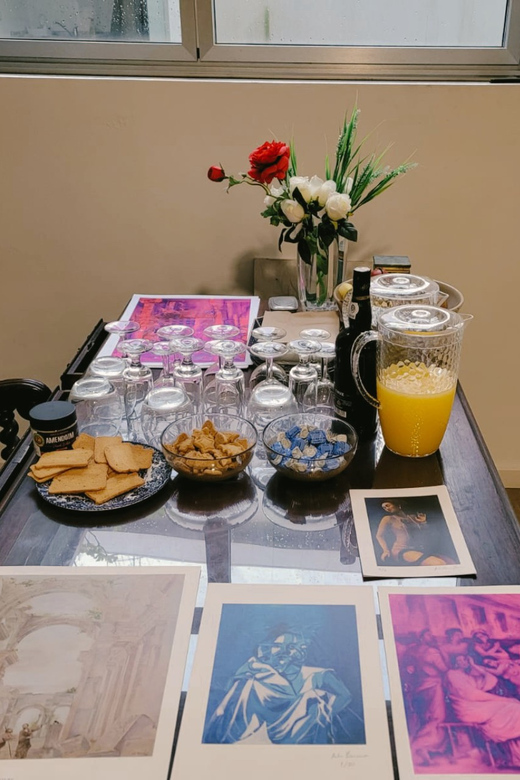
You are guided to work from Porto’s visual cues, especially its color palette. The idea is to translate what you see around the city into paint choices and layering decisions.
You might find that the “Porto color palette” concept works best when you stop trying to paint a perfect postcard. Instead, focus on the tonal range you practiced: lights, shadows, and mid-tones. Once you do that, your piece starts to look intentional even if your subject is simple.
The workshop materials are sized for real practice. The acrylic sheet is 21×30 cm, which is big enough to try techniques like blending and layering, but small enough to finish in two hours without rushing.
Included goodies that make it more than just a class
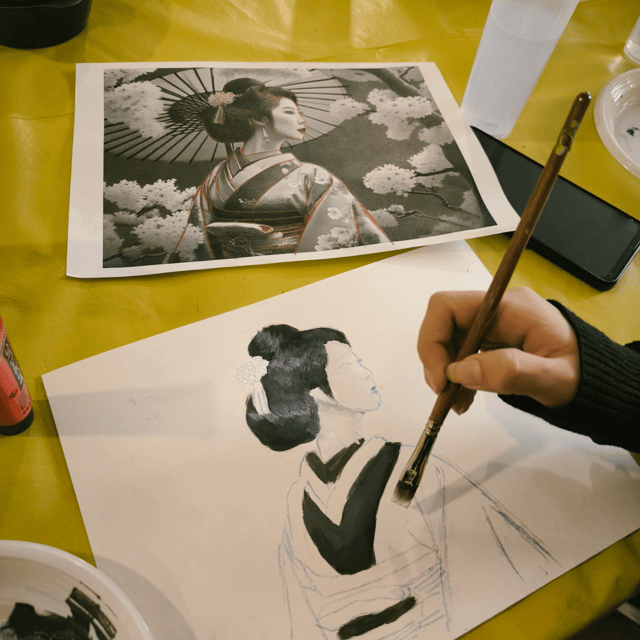
This workshop is one of those activities where the “extras” genuinely help the experience, not just the marketing.
Included in your price is:
- Your final art
- All materials
- Porto wine, coffee, water, or juice
- Group-focused instruction
- Bathrooms
- Service animals allowed
- English instruction
That list matters because it removes friction. You do not need to track down paints or figure out how to carry supplies around Porto. You also have a built-in break point with drinks, which helps keep the mood easy for groups.
For a group event, having bathrooms on site is also a quiet win. It sounds basic, but when you are planning an outing, small comfort details reduce stress.
Instructor help: why personalized coaching is the difference-maker
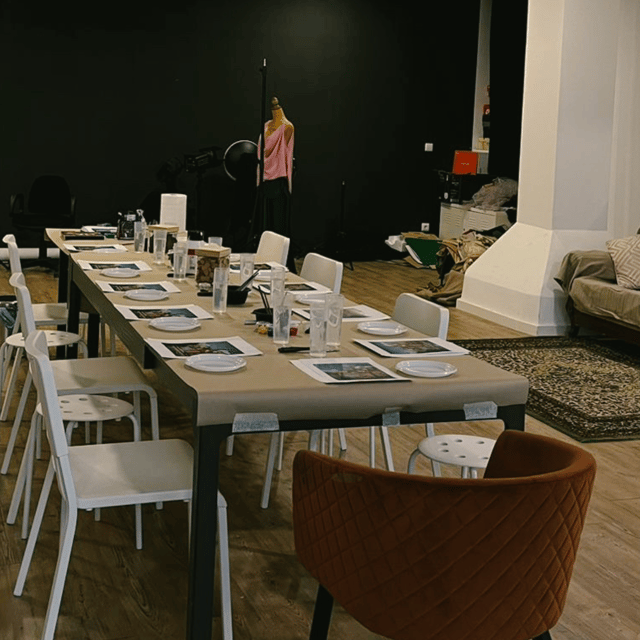
The class is English and led with a focus on personalized guidance. That means the instructor can help you refine your technique as you go, instead of waiting until the end to give general tips.
You are taught skills like brush angle and pressure, along with how to dilute acrylic and how to respect drying layers. Those are the kinds of things that instantly improve results, but only if someone points them out while you are painting.
The reviews for this workshop highlight that friendly, skilled support. One comment calls it a beautiful experience and a privilege to meet a talented young artist. That matches what you want from a group class: encouragement, not pressure.
If you worry you might be slower than others, this format is reassuring. The process is structured, but the help is tailored enough that you are not left behind.
Price and value: is $44 per person a fair deal?
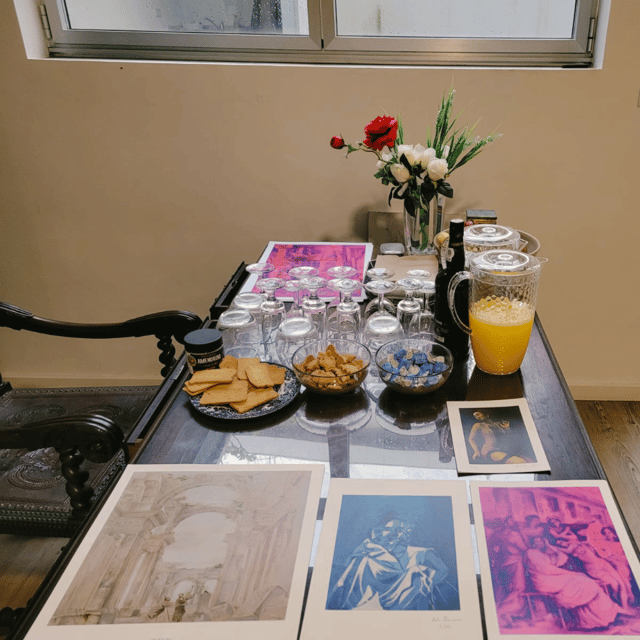
At $44 per person for a two-hour session, the value depends on what you compare it to.
If you compare it to a typical art class where you might pay extra for materials, this one is more straightforward. All materials are included, and you take home your final art. That turns your spend into a real keepsake, not just a temporary activity.
You also get drinks included, including Porto wine, coffee, water, or juice. For groups, that can matter a lot. It is one less thing you need to plan or pay for separately.
The other part of value is the time structure. Two hours is long enough to learn a process, practice, and finish a layered painting from background to foreground. If you tried to do this on your own without instruction, you would likely spend more time and still struggle with basics like tone mixing, drying layers, and brush control.
Overall, I see it as good value if you want a guided, social creative experience in Porto rather than another sightseeing-only afternoon.
Who this Porto workshop is best for, and who might skip it
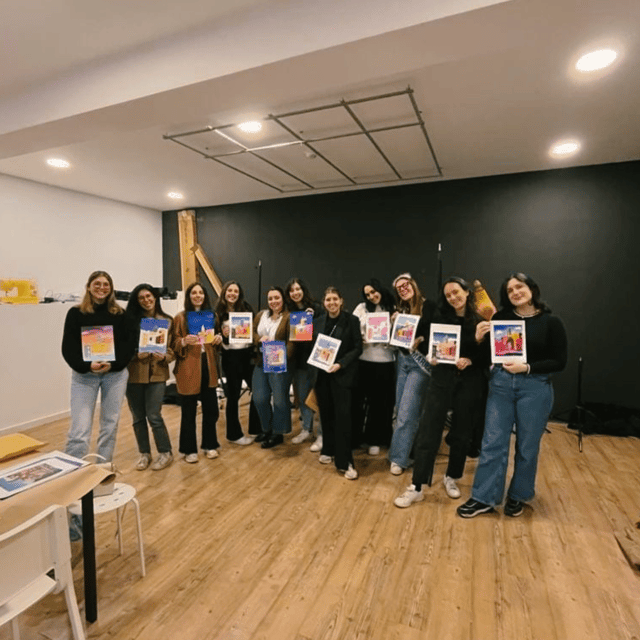
This class is a strong fit if you are traveling with people and want a shared activity that is a step away from standard tours. It is especially aligned with parties or group celebrations where you want everyone involved, not just watching.
You should also consider it if you like learning by doing. The workshop gives you color theory and acrylic technique, then immediately puts your hands on the brush.
You might skip it if you only want passive, low-effort sightseeing. This is a hands-on session. You will be painting for most of the two hours.
And if your priority is maximum artistic depth, this is likely a starter-to-intermediate experience. You will learn key fundamentals, but advanced artists may want longer sessions to explore beyond background-to-foreground layering and technique basics.
Small practical tips so your painting day goes smoothly
This is not a complicated logistics day, but a few choices can make it nicer.
First, dress for paint. Even with acrylics that dry quickly, you will be working close to brushes, mixing colors, and layering paint. A shirt you do not mind getting a little stained is a safe call.
Second, bring a patient mindset. Acrylic results depend on drying layers, so you may feel like you are waiting for paint to set at certain moments. That pause is part of the method, and it helps the final result look cleaner.
Third, think in tones, not in perfect shapes. The workshop trains mixing from a primary shade into multiple tones, plus using complementary colors. If you focus on tone range, you will do well even if the subject matter stays simple.
Final verdict: should you book Porto’s acrylic workshop for groups?
Yes, I would book it if you want a real creative souvenir from Porto and you are going with friends or a party group. The combination of color theory, hands-on acrylic technique, and personalized help is what makes this kind of workshop worth your time.
Book it if:
- You want to learn how to mix tones and control brushwork
- You like group activities with a social pace
- You want to take home a finished piece, not just photos
Skip it if you only want light sightseeing, or if you are looking for a long deep studio-style class. For two hours, this workshop gives you enough structure to finish something you are proud of, while still letting your own style show.
Recently reviewed around Porto
- Tour Porto: Adventure in Electric Bike Tour★ 4.3 · 11 reviews
- Porto: Tuk tuk Tours with Port Wine Tasting★ 4.5 · 65 reviews
- Tour Porto: Classic Adventure in Electric Tuk Tuk★ 4.7 · 33 reviews
- Tour Porto: Classic Car + A Toast with Port Wine★ 5.0 · 3 reviews
- The Beautiful Story of Porto: Guided Tour with Entry Tickets★ 4.8 · 111 reviews
- From Porto or Aveiro: 516 Arouca Suspended Bridge Tour★ 5.0 · 3 reviews
- Rent an Electric Bike with Bosch motor★ 4.5 · 3 reviews
- Self-Guided Bike to Surf”N”Food Pack★ 4.6 · 13 reviews
Workshops, compared.
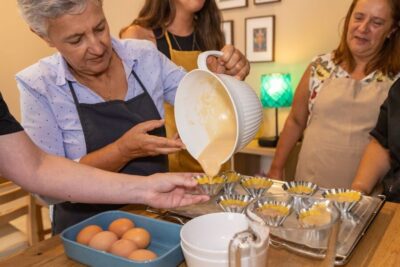
Pastel de Nata Cooking Class with Grandma’s Recipe
Read our review →
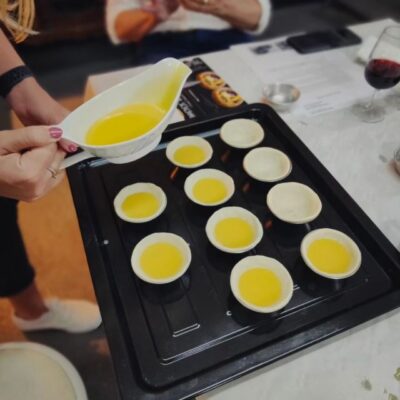
Pastel de Nata Cooking Class with Port Wine – Sé
Read our review →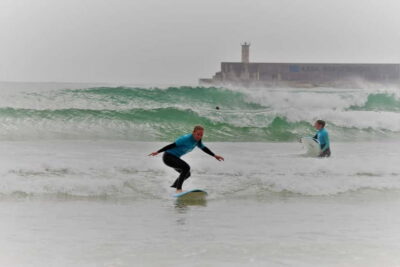

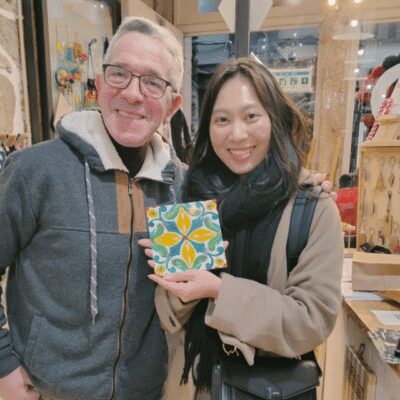
Tile-Painting Workshop with Porto Wine – Bainharia
Read our review →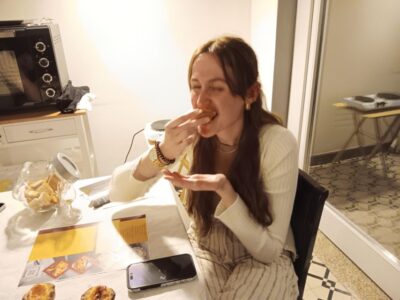

Browse the lists this tour appears in