
Reviewed · PORTO
Ponte de Lima: treasures from the oldest village of PT
This experience is interesting because it mixes quiet forest paths with old water-powered structures, then adds a surprise water moment in the middle. I especially like the focus on little-visited places around Ponte de Lima, away from the easiest walking routes. One drawback to plan for: it is not suitable for wheelchair users, and you should expect a real walking route through uneven natural ground.
I like that it is run as a small group (up to 10), led by a local guide like Óscar, who talks in stories instead of reciting facts. You’ll get multiple heritage and nature stops, including windmills, a monastery visit, and a snorkeling time at a secret water spot. If you dislike getting a bit wet or want a strictly dry, fully seated tour, this may not be the best fit.
Key highlights to know before you go
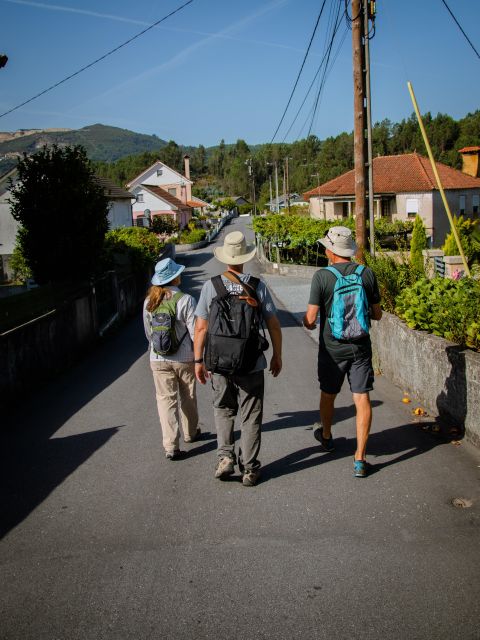
- Passadiços e moinhos da Ribeira de S.João start and finish for an easy-to-place route
- Forest walking for about 2 to 3 hours depending on your pace
- Windmills and former water-powered sites with views you can actually stop for
- A monastery sightseeing pause that slows the day down in a good way
- A secret snorkeling stop tied to the tour’s natural water zones
- Surprises at the end, plus the guide’s local chat and tips
Ponte de Lima at its calmer edges, from the Ribeira de S.João mills
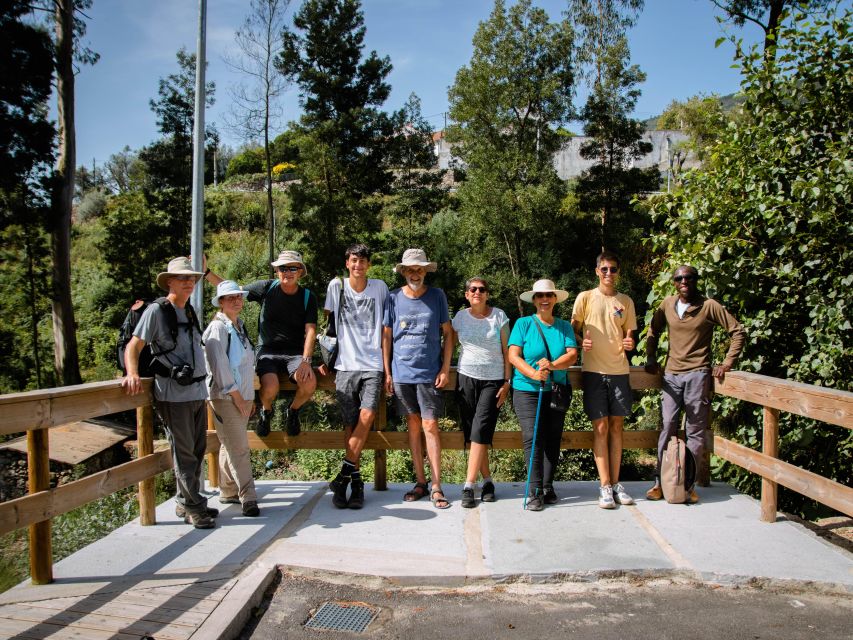
Ponte de Lima is one of those Portuguese towns where it is easy to focus only on the obvious center. This tour takes that same town identity and shifts it to the quieter side, where the water does the talking. You start and end at Passadiços e moinhos da Ribeira de S.João, a great anchor because it makes the day feel like one continuous route, not a series of separate rides and pickups.
I like routes like this because they help you understand a place through movement. Mills, forest paths, and water sounds are not just pretty. They tell you how people adapted to their environment, how the community worked, and where locals still find daily calm.
Price-wise, $17 per person is not trying to compete with big sightseeing buses. Instead, you are paying for guided access to a nature-and-heritage loop, with a small group size and a snorkeling moment. For the amount of time you get, that is solid value, especially if you want something more personal than a mainstream town walk.
More of Porto that reviewers rate highly:
- The Unvanquished Tour in Porto City Center
★ 5.0 · 26,497 reviews - From Porto: Douro Valley w/ Boat Tour, Wine Tasting & Lunch
★ 4.7 · 19,061 reviews - Complete Douro Valley Wine Tour with Lunch, Wine Tastings and River Cruise
★ 5.0 · 12,920 reviews
The forest route: mills, lagoons, waterfalls, and views with almost no footprint
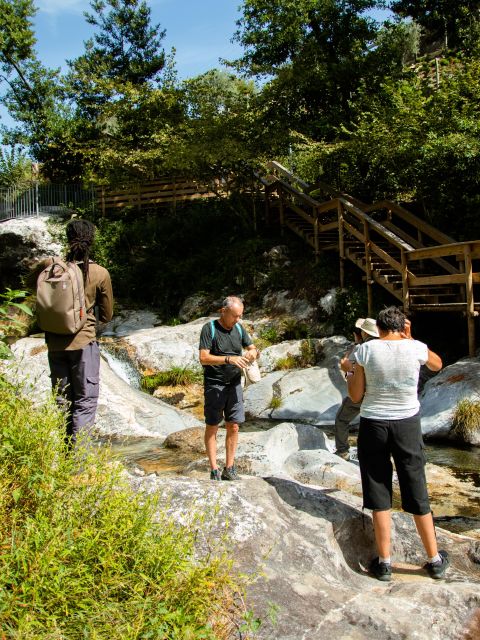
The heart of the experience is a walk through woodland, with natural water features along the way. Expect several mills, various lagoons, waterfalls, and wonderful viewpoints. The tour description even hints at a low human-impact feel, which is exactly what you want if you are tired of crowded viewpoints.
What this means for your day is simple: you get to trade long lines for repeated small moments. In practical terms, it is easier to enjoy the scenery because you are not racing from one photo spot to the next. You can slow down for a view, take a breath near the water, and still keep the day moving at a comfortable pace.
Timing is flexible. The route usually lasts about 2 to 3 hours depending on you, and then there is enough time built in so the guide can talk. That matters more than it sounds. If you like questions, this kind of pacing keeps the walk from turning into a sprint.
One more realistic note: because the tour goes through areas with natural water and includes snorkeling, it is smart to dress for damp conditions. Even if you do not do the snorkeling in the most active way, you will still be around water.
Windmills stop: why old water power still feels modern
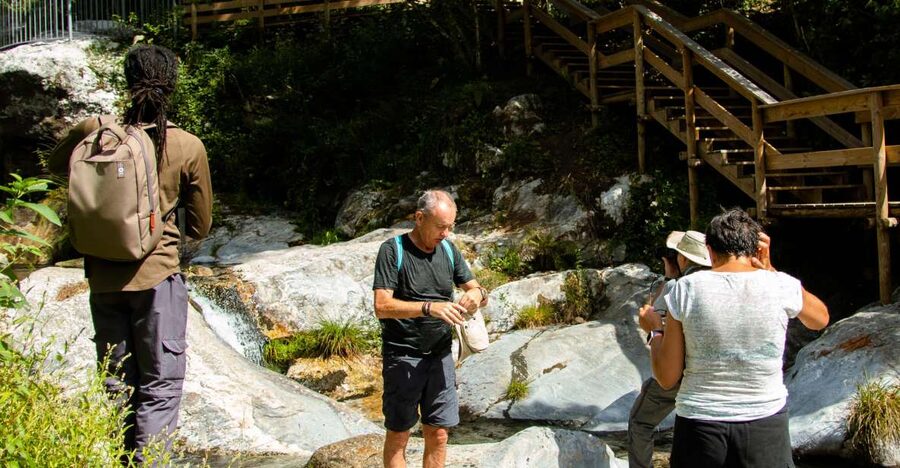
The tour’s first major sightseeing segment is the windmills stop, about 45 minutes. This is where the day’s theme clicks into place. Water-powered structures are not just scenery, they are technology you can read with your eyes if someone explains what you are looking at.
On a route like this, windmills and mills work as wayfinding landmarks. They help you understand the layout of the river system and why the forest trails run where they do. They also give you a pause point that breaks up the walk with something structured.
In a small group, a windmill stop is more than looking up at a wooden or stone feature. You can actually ask questions, hear local stories, and compare what you see in front of you with what you pass on the trail. That is also where the guide’s friendly style matters. Óscar is described as easy to be around, full of stories, and very local. When the guide talks like a friend who knows the neighborhood, you feel less like you are consuming a checklist.
A consideration: if you are expecting a long, museum-style explanation, this is not that kind of stop. It is a viewpoint and heritage pause inside an active nature route.
Monastery sightseeing: a quiet reset between water moments
After the mills, you move into a monastery sightseeing segment of about 30 minutes. This stop is valuable because it gives the day a different mood. A forest and waterfalls day can blend together, so having a calmer, more reflective segment helps you reset your attention.
In practical terms, this is a good moment to slow your pace, take a few photos, and mentally switch gears from “nature route” to “Ponte de Lima beyond the main streets.” The tour also promotes decentralization of the county, which is a fancy way of saying you spend time where regular visitors often do not. A monastery stop fits that goal well because it is connected to the local life rhythm, not only the tourism map.
Since the tour includes multiple heritage moments, this monastery pause also helps you understand the human side of the same landscape that you are walking through. You see why people built and maintained places of faith near communities and water routes.
One thing to keep in mind: 30 minutes goes fast. If you want extra time for lingering or careful photography, you will still have plenty of overall time in the full 3-hour experience, but the tour will not stall. Come ready to enjoy it, not to treat it like a solo visit with no schedule.
Another way to spend your time in Porto:
- Porto: Live Fado Show with Glass of Port Wine
★ 4.8 · 6,498 reviews - Porto: 6 Bridges Douro River Cruise
★ 4.3 · 6,472 reviews - Porto: Torre dos Clerigos Entrance Ticket
★ 4.6 · 6,395 reviews - Douro Valley: Wine Tour with Lunch, Tastings & River Cruise
★ 4.6 · 6,081 reviews
Secret stop with snorkeling: the water break that makes the tour feel special
The standout twist is the secret stop with snorkeling, about 45 minutes. The tour is also described as moving through zones that provide natural water, so this is not a random add-on. It is the structured moment where the day becomes more hands-on.
Even if you do not call yourself a confident swimmer, you can still appreciate what this stop brings. It is the one part of the day that turns views into direct experience. You stop using your eyes only, and you get a chance to interact with the water in a controlled way, guided by someone who knows the area.
Important practical mindset: treat snorkeling time as “water time,” not a casual dunk. You may want to be prepared to get wet and to follow your guide’s instructions. The tour description does not mention equipment or whether it is provided, so do not assume. If you are booking, it is worth asking what you should bring or wear so you are not scrambling on the day.
Also, note that the tour is not suitable for wheelchair users, and water activities add a reason to plan around footing and balance. If you are traveling with someone who has mobility or stability concerns, talk to the provider before you book.
This snorkeling stop is also where the small-group dynamic pays off. A guide can pace the group and offer help where needed. That makes the experience feel safer and less chaotic than larger tours.
The guide factor: Óscar’s local storytelling and the end surprises
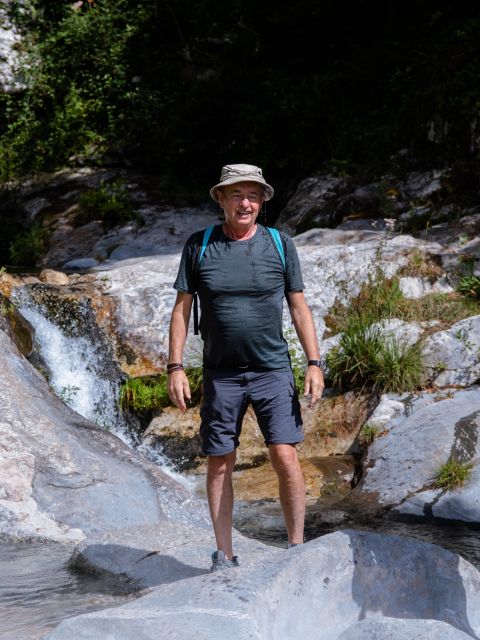
The biggest repeat theme here is the guide experience, especially Óscar. The way he is described is consistent: friendly, attentive, and ready with stories and local insight. People also call out that the tour does not feel like a typical tour because it is more like hanging out with a local friend who loves showing their hometown.
That matters because it changes how you remember the day. If a guide only delivers facts, your photos might be great but the day feels thin. When the guide adds context and talks in a natural way, you start noticing details on your own. You also get practical tips for what to do next around Ponte de Lima after the walk finishes.
Then there are the surprises at the end. The tour includes end-of-route surprises, and that is often what turns a good nature walk into a memorable one. You should expect it to be something small and timeable, not a huge performance. Still, the fact it is built in shows the provider is thinking about the whole arc of the trip, not only the middle.
You are also not trapped in one language. The guide supports Portuguese, English, and Spanish, so you can join without worrying about misunderstandings.
Price and logistics that actually affect your decision
Let’s talk value in real terms. At $17 per person for a 3-hour experience, you are paying for several things at once:
- A guided route that combines nature walking and heritage stops
- A small group size limited to 10
- A snorkeling segment in natural water areas
- A local guide who also gives tips for the rest of your day
If you tried to DIY this route without local knowledge, you would likely spend more time figuring out where to go and what to see, and you would miss the “why” behind the mills and monastery pause. Even if you can map paths, you still do not get the pacing, the storytelling, and the built-in surprise at the end.
Group size matters for comfort. With up to 10 people, you are not waiting for a crowd to move, and your guide can keep an eye on everyone along the way.
Timing matters too. The walk itself lasts about 2 to 3 hours, but the overall tour runs 3 hours, which gives the guide room for conversation without leaving you exhausted at the finish.
What to bring, how to dress, and who this suits best
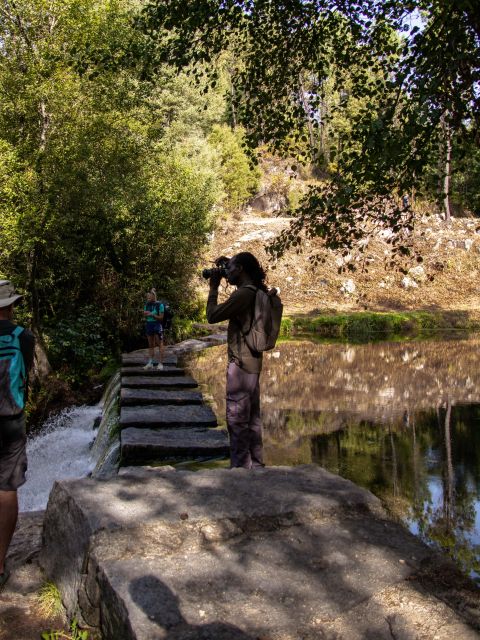
For packing, the tour is clear: bring a reusable water bottle. That is smart anywhere in Portugal, and it is especially useful when you are out in forest and near water features.
How to dress is not stated in detail, but you should use common sense here:
- Wear shoes that handle uneven ground.
- Plan for damp conditions because the route includes natural water areas and snorkeling time.
If you like nature walks with a point, this is a strong match. You want active time, a small-group guide, and multiple stops that break up the scenery into meaningful pieces. It also suits families if the child is comfortable walking, since one family-focused review highlighted that it was memorable for a young one. If your group loves asking questions and chatting with locals, Óscar’s style is likely to land well.
It is not the best fit for wheelchair users, and if you have mobility issues, this may be difficult given the nature route and water segment.
Should you book Ponte de Lima treasures from the oldest village of PT?
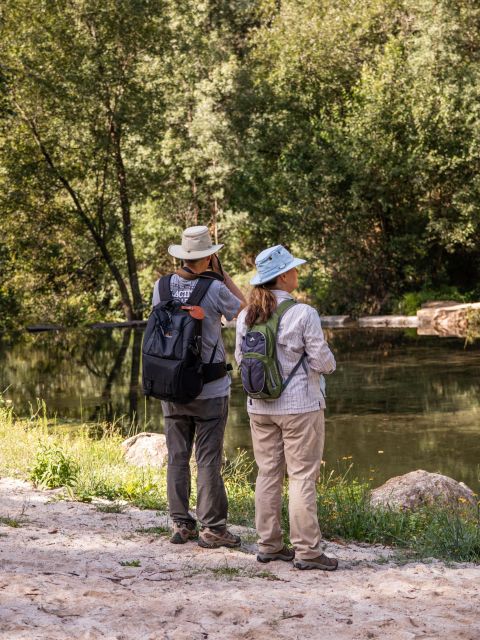
I would book this if you want more than a “seen it, done it” town walk. The mix of mills, a monastery pause, and a snorkeling stop is the kind of itinerary that keeps the day from getting repetitive. Add in the small group limit and Óscar’s friendly, story-driven guiding, and it feels like a local day plan rather than a generic sightseeing product.
I would skip it if you need wheelchair accessibility, or if you want a purely dry, low-walking experience. Also, if you dislike water activities and get stressed by being in natural areas, consider a different style of tour.
If you are on the fence, use this rule: do you want Ponte de Lima’s quieter side, with water-powered heritage and a hands-on water moment? If yes, this is a good bet.
FAQ
How long is the tour?
The duration is 3 hours. The walking route is described as lasting about 2 to 3 hours depending on your pace.
How much does it cost?
The price is $17 per person.
Where does the tour start and end?
It starts and ends at Passadiços e moinhos da Ribeira de S.João.
How large is the group?
It is a small group limited to 10 participants.
What languages does the guide speak?
The live guide speaks Portuguese, English, and Spanish.
Is snorkeling included?
Yes. The itinerary includes a secret stop with snorkeling for about 45 minutes, and the tour goes through zones that provide natural water.
What should I bring?
Bring a reusable water bottle.
Is this tour wheelchair accessible?
No, it is not suitable for wheelchair users.
Can I cancel or pay later?
You can cancel up to 24 hours in advance for a full refund. You can also reserve now and pay later to keep your plans flexible.
Recently reviewed around Porto
- Tour Porto: Adventure in Electric Bike Tour★ 4.3 · 11 reviews
- Porto: Tuk tuk Tours with Port Wine Tasting★ 4.5 · 65 reviews
- Tour Porto: Classic Adventure in Electric Tuk Tuk★ 4.7 · 33 reviews
- Tour Porto: Classic Car + A Toast with Port Wine★ 5.0 · 3 reviews
- The Beautiful Story of Porto: Guided Tour with Entry Tickets★ 4.8 · 111 reviews
- From Porto or Aveiro: 516 Arouca Suspended Bridge Tour★ 5.0 · 3 reviews
- Rent an Electric Bike with Bosch motor★ 4.5 · 3 reviews
- Self-Guided Bike to Surf”N”Food Pack★ 4.6 · 13 reviews