
Reviewed · PORTO
Exclusive visit to the Geophysical Institute of Porto
A visit to the Geophysical Institute of Porto is interesting because you get to see how a real seismic station works, and how it ties straight into Cold War spying logic. I like that the guides explain the science in plain language, and I also like the historical angle, including how this site connects Porto to the Cold War between the USA and USSR.
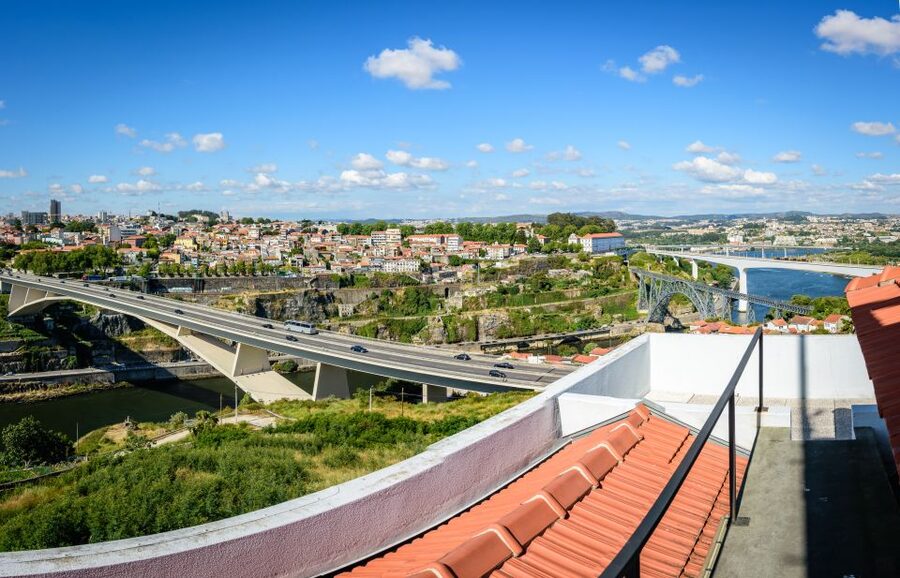
My other favorite part is the view. From Serra do Pilar, you can take in Porto’s 6 bridges at once, and the guides point out this is the only place they know of where you can see them all together. The main drawback to consider is the pace and the location, it is not suitable for kids under 12, and you will do short walks on uneven ground.
Quick hits you will feel in the first 10 minutes
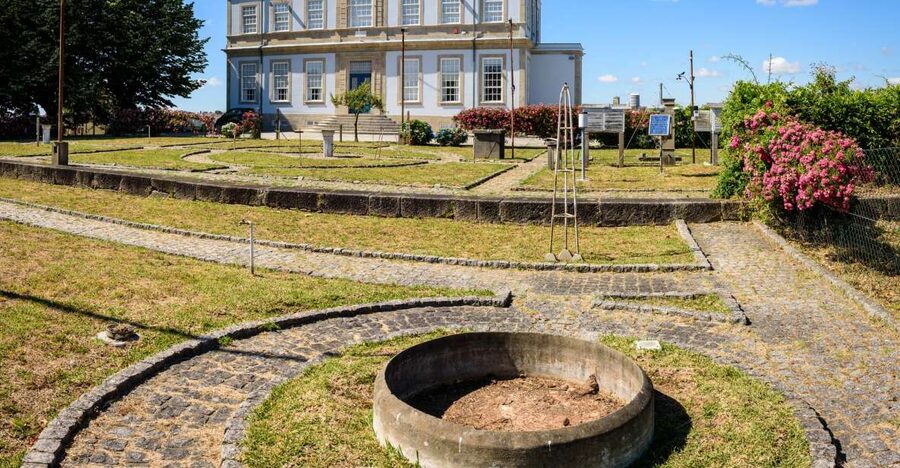
- A working seismic station tied into a global network started in the 1960s
- Cold War context explained as a real-world scientific project with political consequences
- Earthquake vs nuclear tests: you learn how the waves you detect can differ
- Epicenter basics: you get the idea of how scientists figure out where shaking started
- Porto’s 6 bridges from Gaia: a rare city viewpoint in one direction, not a random sweeping panorama
- English tour with geology students from the University of Porto’s Faculty of Sciences
Entering the Geophysical Institute in Gaia, behind Serra do Pilar
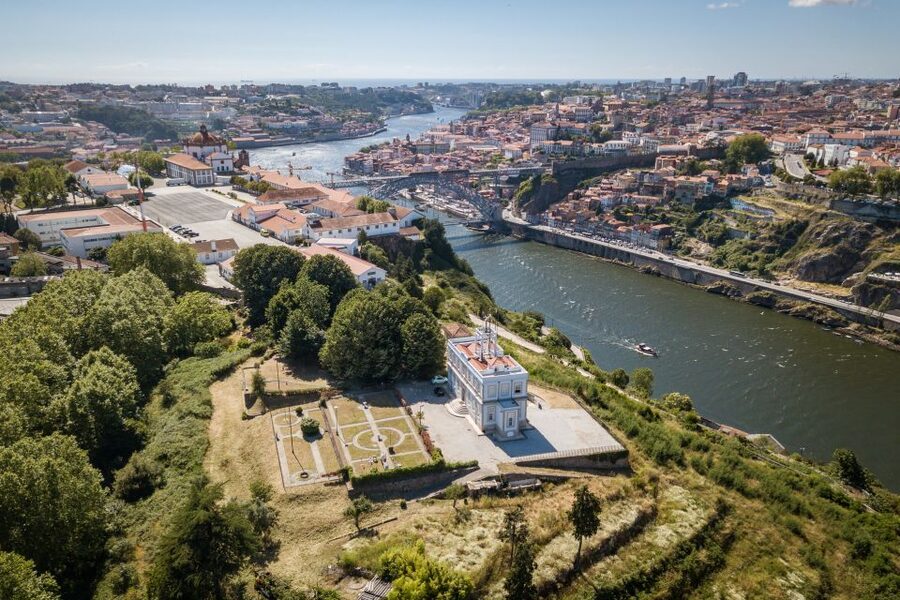
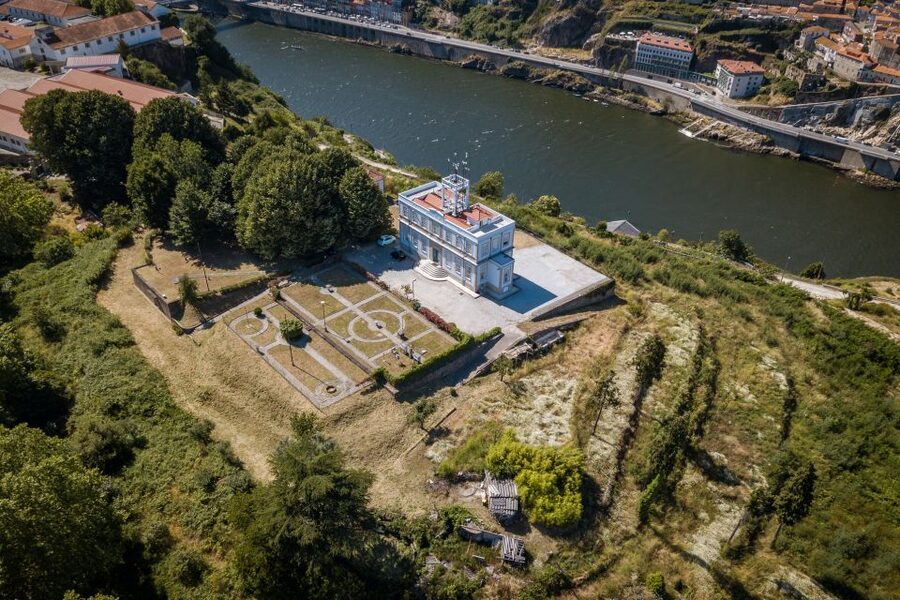
The tour starts in Gaia, and you will do a short walk up toward a centenary building that almost blends into the Serra do Pilar setting. The University of Porto Geophysical Institute dates back to 1885, and it sits near the Monastery area of Serra do Pilar, in a spot locals know, but most visitors overlook.
I love this part because it sets the tone. You are not just ticking off a museum. You are stepping into a place that still has a job in the real world, listening to the earth. And since the visit is short, about an hour total, you get to focus instead of drifting from room to room.
After that initial approach, you will move into the seismic station area for the guided time, then later shift back outside for the big view moment. It is a simple flow, but it works well if you like science that you can see, not just hear.
More of Vila Nova De Gaia that reviewers rate highly:
- Porto: Six Bridges Cruise
★ 4.2 · 11,680 reviews - Porto: Taylor’s Port Cellars & Tasting
★ 4.6 · 3,374 reviews - Porto: Charming Sailboat Cruise with Port Wine,Sunset Option
★ 5.0 · 1,978 reviews
The 1962 US-built station that put Porto on the Cold War map
Here is the story that makes this stop more than a geology lecture. The station you will visit was built in 1962 by the United States of America. It was presented as scientific research, but it also played a role in the Cold War competition between the USA and USSR.
Your guides explain how this station fits into a wider worldwide network. You will hear that a total of 127 seismic stations were part of that effort, and you will also hear the controversial claim, the so-called lie, that helped justify building them. Even if you already know the general Cold War theme, you will likely find the seismology angle surprising. It is a reminder that politics and physics share the same paperwork.
What you get from this context is perspective. When you look at a seismic station, it is easy to see only instruments and charts. Here, you learn to see why those instruments mattered to superpowers trying to detect what others were testing, even when there was no easy way to verify events directly.
How the station detects earthquakes and nuclear tests
This is the core science portion of the tour, and it is explained in a way that makes you feel like you understand the logic even if your math skills are rusty.
The guides talk about how this place detects both earthquakes and nuclear tests. The key idea is that the signals you record travel through the earth in different ways. You learn that earthquakes and nuclear explosions can produce waves with differences you can recognize, so scientists can make sense of what caused the shaking.
Then you go one step further, with the idea of how you calculate an epicenter. The concept is not presented as a complicated formula dump. You get the reasoning instead. Stations like this one feed information into calculations that help estimate where the energy started.
I like this because it turns the station into something you can picture in motion. You are not just looking at a static display. You are learning how a worldwide network turns vibrations into knowledge.
Walking the Serra do Pilar path, and the one-view moment with all six bridges
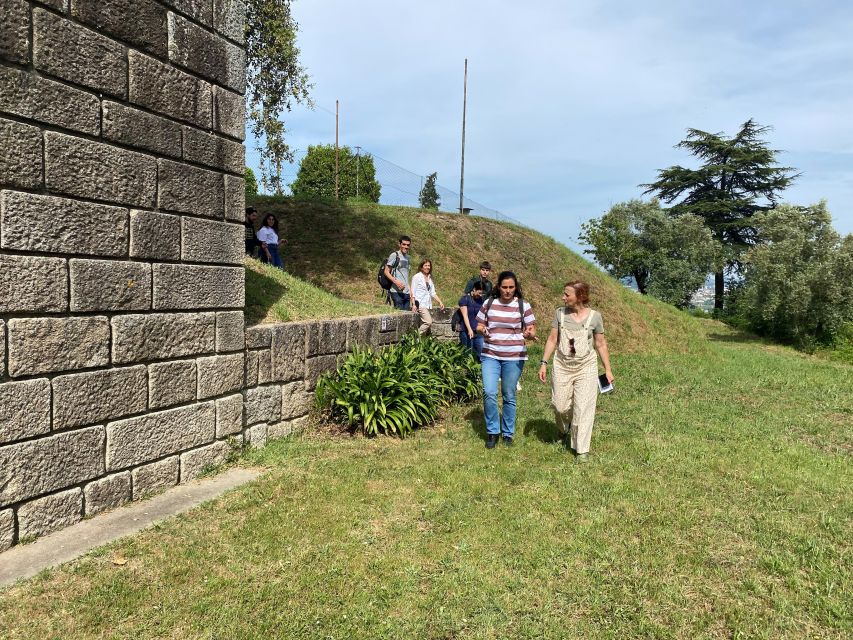
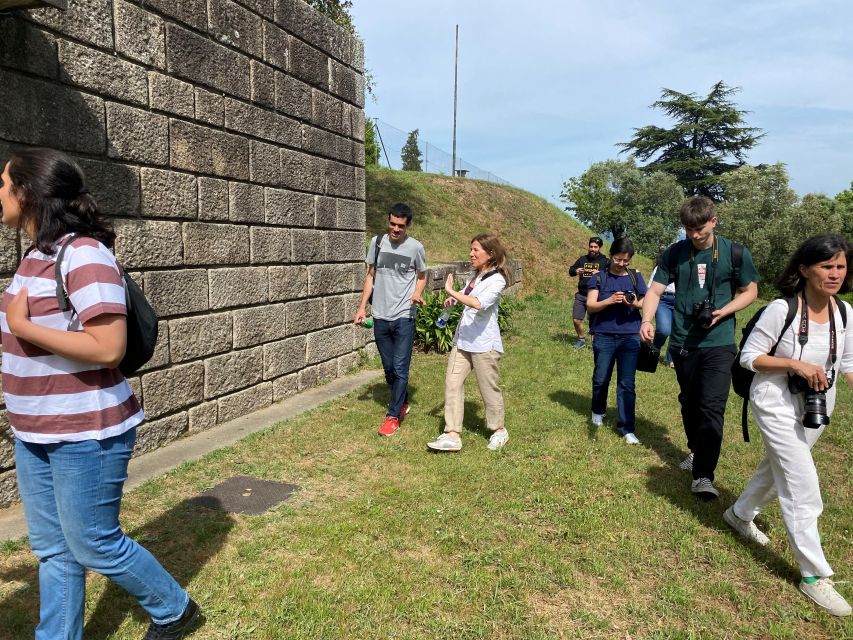
After the guided portion, you step back out for the scenic part of the experience. There are two short walking segments in the plan, including a brief stretch from the institute area and then a final walk to a viewpoint. Nothing is long or complicated, but you do need to be comfortable with short uphill-to-view movement and getting your footing on uneven ground.
Now comes the highlight that gets people to book in the first place. From this spot, your guides highlight the view over Porto’s bridges. They describe it as the only place on earth where you can see Porto’s 6 bridges together.
Even if you take that claim with a grain of salt, you still get a real payoff: you see the bridge system in one connected scene, which is rare. Most city views show a slice of the river crossings. Here, you get a bigger, more organized picture of how Gaia faces Porto across the water.
And yes, there is a small bonus outside. The tour includes a delicious surprise after the view segment, timed to match the celebration of that unique bridge perspective. It is not just a photo stop. It is a moment to slow down and actually look.
Another way to spend your time in Vila Nova De Gaia:
- Vila Nova de Gaia: Port Wine Tasting with Cheese Pairing
★ 4.8 · 1,074 reviews - Porto: 6 Bridges Port Wine River Cruise with 4 Tastings
★ 4.9 · 586 reviews - Porto: Luxury Yacht Tour of the 6 Bridges and Douro Estuary
★ 4.9 · 521 reviews - Porto: Pastel de Nata Cooking Class from Scratch
★ 4.9 · 468 reviews
Meet the student guides from Porto’s Faculty of Sciences
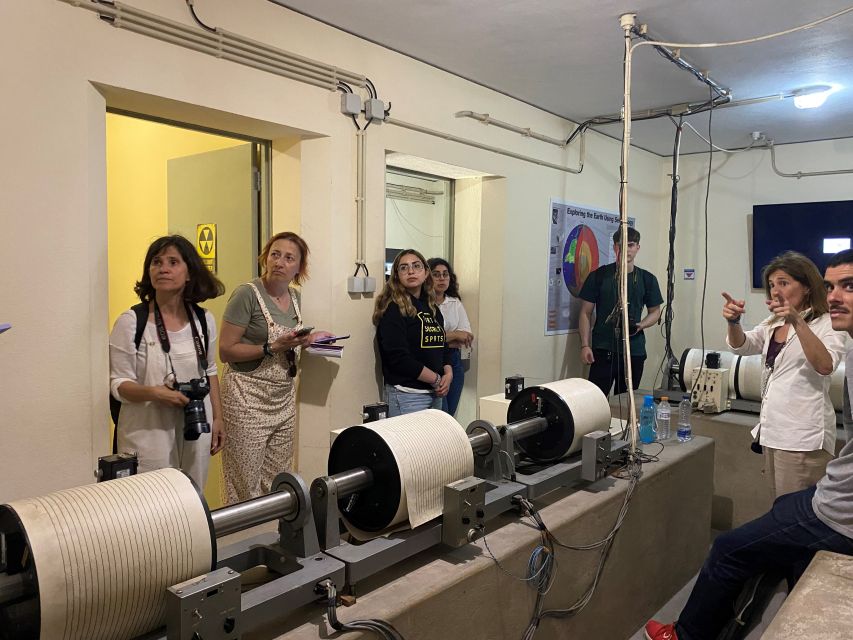
One reason this experience feels grounded is the people leading it. The tour is guided by young geologists from the University of Porto’s Faculty of Sciences. They are enthusiastic, and you can hear the excitement in the way they connect the instruments to the Cold War story.
I find student-led science tours can either feel too academic or too casual. This one lands in the middle. You get enough depth to understand what matters, and you also get enough clarity that you do not need a background in seismology.
The guiding style also helps with the practical side of the hour. You get a clear sense of where to look, what to focus on, and how each part of the story links to the next: history first, then detection, then what it looks like on the outside when you walk back for the view.
Price and value for an hour of science plus a real city payoff
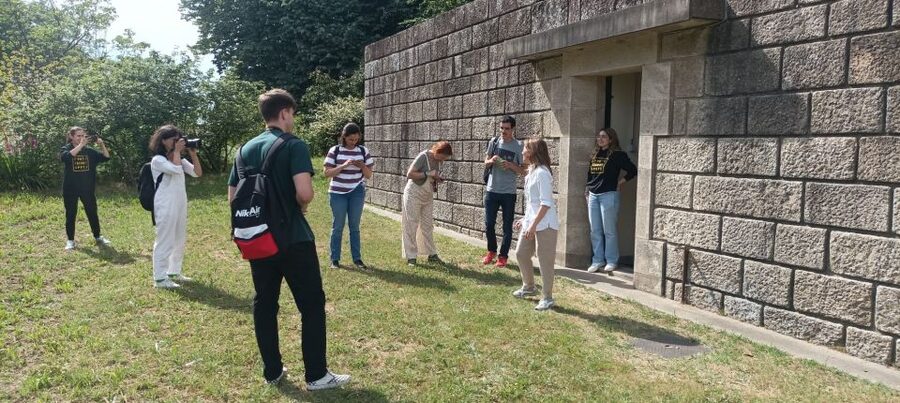
At $17 per person for about 1 hour, the price feels fair when you consider what you get. This is not a generic city tour with one photo viewpoint. You are paying for an exclusive visit to a working seismology site, plus an explanation of worldwide seismic network logic and Cold War history that would be hard to piece together on your own.
You also get two practical benefits that travel time often erases. The total time is short, so you can fit it into a busy day in Porto or Gaia. And the tour runs in English, so you can focus on the content rather than language struggle.
So the value equation looks like this: science you can actually see, history that connects to a specific building in Gaia, and a rare “all six bridges” viewpoint. For many people, that mix is exactly what justifies the ticket.
What to know before you go (so it stays enjoyable)
A few rules help you plan smart. Flash photography is not allowed, and video recording is also not allowed. If you like taking photos, plan for normal lighting and handheld camera use without flash.
The tour is in English and lasts about 60 minutes. It is not suitable for children under 12. If you are traveling with teens who like science, they will likely enjoy it, but the stated age rule is clear, so stick to it.
Comfort matters too, even though the walks are short. You will be outside for parts of the hour, on a hill area around Serra do Pilar. Wear shoes you trust.
Who this tour suits best
This visit is a great fit if you enjoy:
- Science that has a story, not just facts on a screen
- Cold War history, especially when it connects to unexpected tech like seismic stations
- City views with a specific angle, especially if you love seeing Porto from Gaia in a new way
It is less ideal if you want a slow, leisurely stroll with lots of free time. This is a guided, structured hour. You will listen, learn, and then look at the bridges with purpose.
FAQ
How long is the Geophysical Institute of Porto visit?
The tour lasts about 1 hour, with guided time and short walking segments around the institute and viewpoints.
Where does the tour start?
The starting location is R. 2 23.
Is the tour offered in English?
Yes, the visit is in English.
What will I learn during the visit?
You learn how the station works in seismology, how it detects earthquakes and nuclear tests, and you also learn how to calculate an earthquake epicenter. You also learn about the Cold War role connected to the USA and USSR.
Is this visit suitable for kids?
No, it is not suitable for children under 12.
Are photos and videos allowed?
Flash photography is not allowed, and video recording is not allowed.
How much does it cost?
The price is $17 per person.
Can I cancel or change my plans?
You have free cancellation up to 24 hours in advance for a full refund. You can also reserve now and pay later.
Should you book this Geophysical Institute visit?
If you like your Porto days to include something more specific than viewpoints and tiled streets, book it. This is one of the few experiences in the area where you get both a working science angle and a Cold War story tied to a real 1962 seismic station. Add in the chance to see Porto’s 6 bridges from Gaia, and the $17 price for an hour feels like solid value.
Skip it only if you need kid-friendly programming under 12 or you want lots of free time to wander without a structured guide. If you are the curious type who likes learning while you look, this one fits well.
Recently reviewed around Vila Nova De Gaia
- Porto: Shared Douro River Sunset Cruise with Welcome Drink★ 4.5 · 35 reviews
- Private Boat Tour 6 Bridges 1h30, group price up to 6px★ 5.0 · 3 reviews
- Porto: The Best Douro Boat Tour★ 5.0 · 14 reviews
- Porto: Taylor’s Port Cellar Tour & WOW Museum Pack★ 4.7 · 24 reviews
- Porto Riverbank Tour on an e-bike: Atlantic Coast, Gardens★ 4.7 · 11 reviews
- Porto: Private Sailboat Trip with Wine Tasting & Charcuterie★ 5.0 · 9 reviews
- Porto: Porto Bike Atlantic Route★ 5.0 · 4 reviews
- Porto: Museum of the Oldest Appellation in the World Ticket★ 4.5 · 11 reviews