
Reviewed · PORTO
Exclusive visit to the Astronomical Observatory of Gaia
Gaia’s Astronomical Observatory is interesting because you’re stepping into a working lesson plan about time, right where the instruments were built to measure the heavens. I love the unusual architecture, the roof that slides open to the sky, and I love how the tour connects history to real mechanisms. One possible drawback: this is a daytime style visit, and on at least one past booking the equipment was not available for nighttime observing.
The best part is the human energy. Your guide is an enthusiastic Physics student from the Faculty of Sciences, and that matters because the explanations stay clear instead of turning into a lecture dump. I also like that the site focuses on one central idea, how we tell time by tracking the passage of stars.
If you’re hoping for a long session of star gazing through a telescope after dark, plan your expectations carefully. Check the specific timing of your tour slot before you book, especially if nighttime viewing is your top goal.
Key highlights worth planning for
- Roof that opens to the sky: you see how weather, light, and timing affect observations.
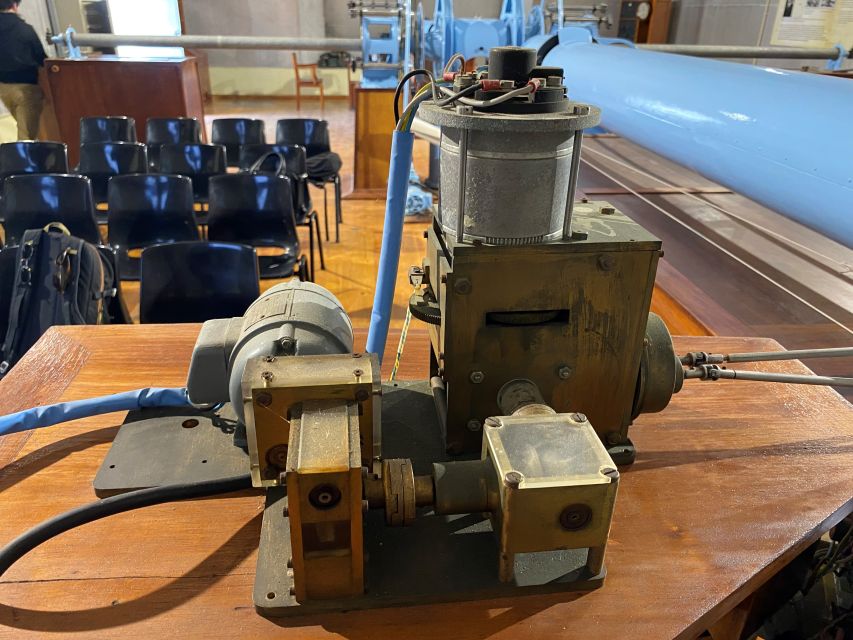
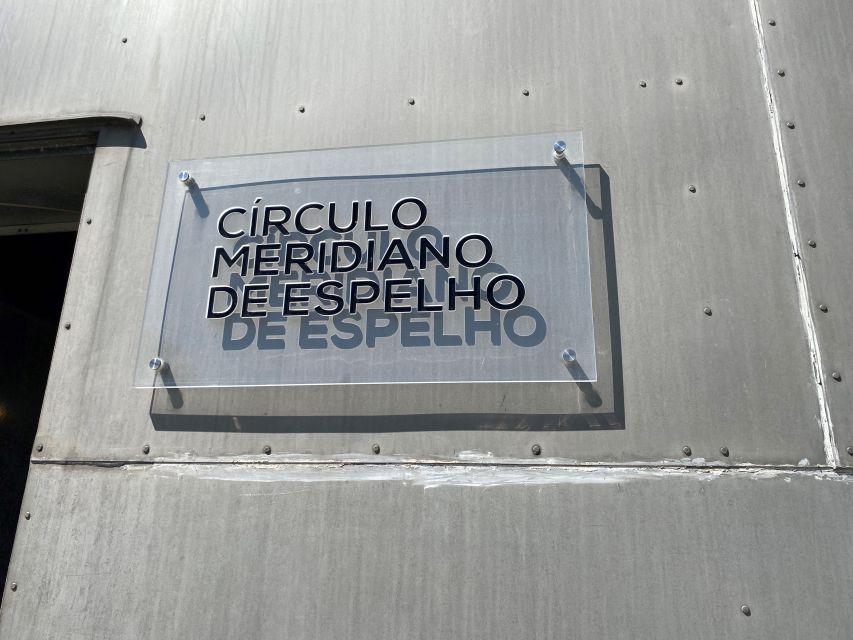
- Mirror Meridian Circle explained: a rare instrument with a semi-cylindrical building and a sliding roof.
- A time-measuring place: the site was created to complement astronomy study, then got its landmark instrument soon after.
- English tour from Physics students: the explanations feel hands-on and motivated.
- Small, focused tour pace: about 60 minutes total, with short walks and a clear guided window.
- Photo and video limits: no flash photography and no video recording, so you’ll rely on memory and photos without flash.
Gaia’s Monte da Virgem: a discreet observatory with a sky-opening roof
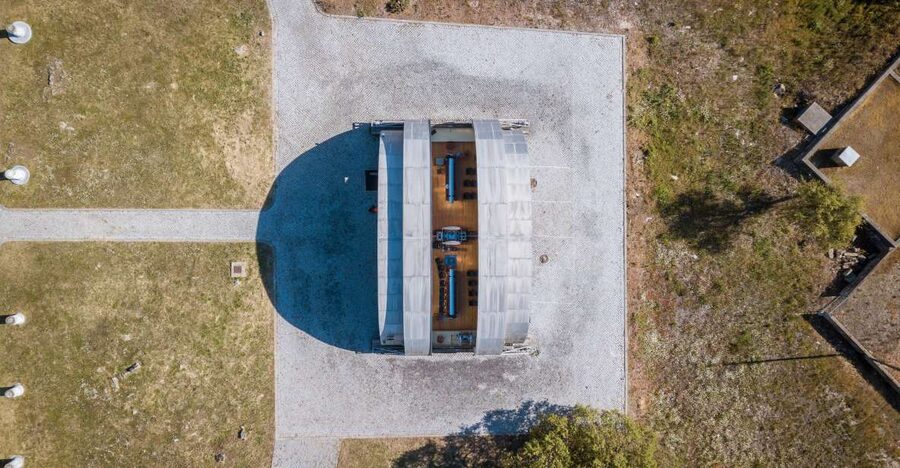
Gaia, in Portugal’s Norte region, isn’t the place you’d automatically picture for an astronomy visit. That’s exactly why this works. The observatory sits at the top of Monte da Virgem, described as discreet, and the setting helps the whole visit feel more like a workshop than a tourist spectacle.
The first thing you notice is the building itself. It is built around a key idea: observing the passage of stars at the local meridian. The roof slides open, letting you connect the practical side of astronomy with the emotional side of wonder. When the roof is part of the story, the experience stops being just about looking up. It becomes about understanding why the instrument is built that way.
A quick practical note on timing. The total visit runs about 60 minutes, including short walks. That makes it realistic even if your day is already packed with other sights around Gaia. It also means you should arrive with curiosity, not with the expectation that you’ll have hours to poke around on your own.
More of Vila Nova De Gaia that reviewers rate highly:
- Porto: Six Bridges Cruise
★ 4.2 · 11,680 reviews - Porto: Taylor’s Port Cellars & Tasting
★ 4.6 · 3,374 reviews - Porto: Charming Sailboat Cruise with Port Wine,Sunset Option
★ 5.0 · 1,978 reviews
Entering the observatory’s centerpiece: the Mirror Meridian Circle
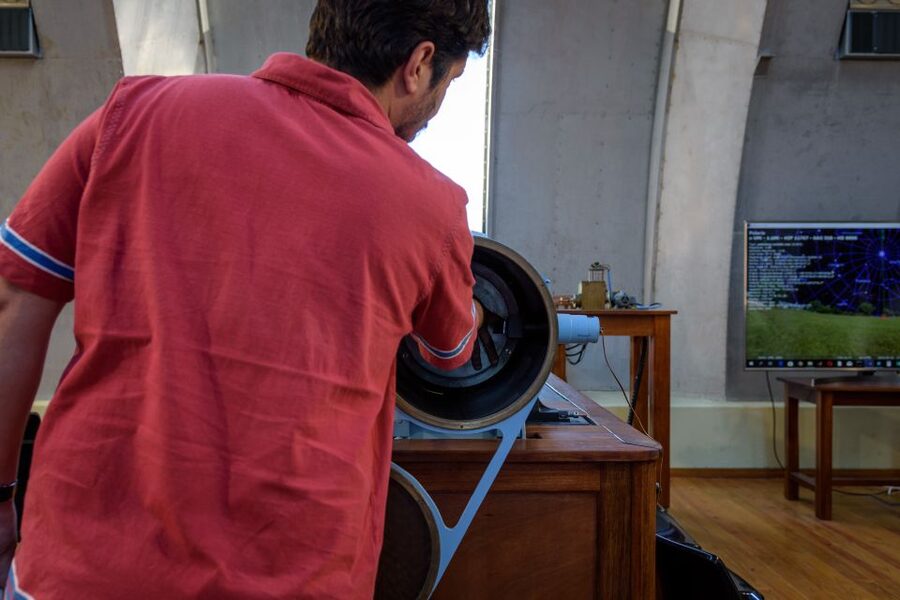
The heart of the visit is the Mirror Meridian Circle. The site was created in 1948 to complement Astronomy studies at the Faculty of Sciences. Nine years later, it opened its most notable instrument, and that instrument is the one you get to understand on this tour.
This is not a generic telescope story. The Mirror Meridian Circle is so rare that only two more exist in the world. That scarcity changes how you look at it. It’s not a prop for a photo op. It’s a carefully designed tool for a very specific job: measuring the precise passage of stars across the local meridian.
Here’s what makes that concept click for most people. The meridian is an imaginary line tied to direction and Earth’s rotation. If you can track when a star crosses that line, you can build a reliable timing reference. In other words, you’re learning how astronomy and timekeeping are linked by mechanics.
The observatory is described as semi-cylindrical, which fits the instrument’s needs and the way the roof system supports observation. The sliding roof is crucial, because it lets the observers aim at the sky while still controlling conditions around the equipment. Even if you’re not a “science person,” the tour makes the building make sense.
And yes, you’ll likely hear the question that makes it fun for first-timers. What were these telescopes used for back when the equipment was new? And what are they used for now? The value here is that the explanations are not frozen in the past. You get the idea of continuity, how old instrumentation still informs how we think.
The science student guides and the English walkthrough
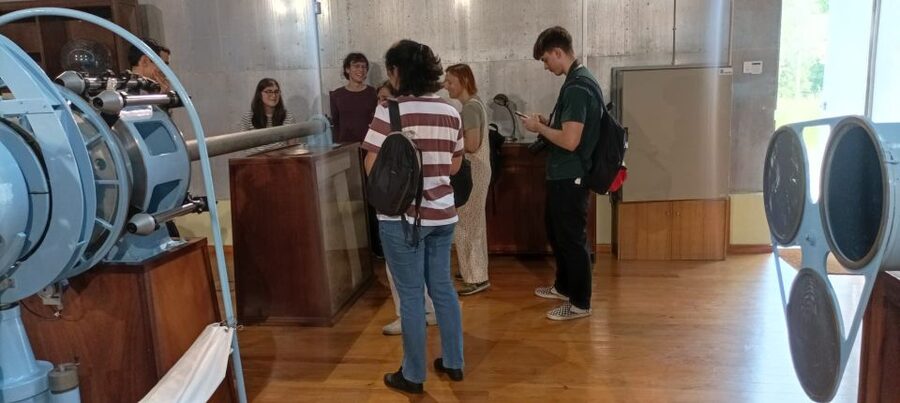
Your guides are Physics students from the Faculty of Sciences, and the goal is simple: explain the mechanisms that help us tell time through the times. That phrasing matters because it frames the tour as a “why” experience, not just a “what is this” stop.
From a practical point of view, the student-led approach is ideal for a short visit. They can tailor explanations to visitors who range from curious beginners to people who have more than a little background. The English tour also keeps things smooth if you do not speak Portuguese.
One more useful detail to know: you should expect active listening. The tour is about understanding how time is measured, and the building is part of the lesson. Flash photography is not allowed, and video recording is not allowed. Those rules limit distractions, and they also push you to pay attention to what your guide is showing and describing.
If you’re the kind of person who likes being taught by someone who genuinely cares, this is a big plus. The enthusiasm comes through, and it’s one of the reasons this visit earns top marks.
Your 60-minute itinerary, what happens at each stop
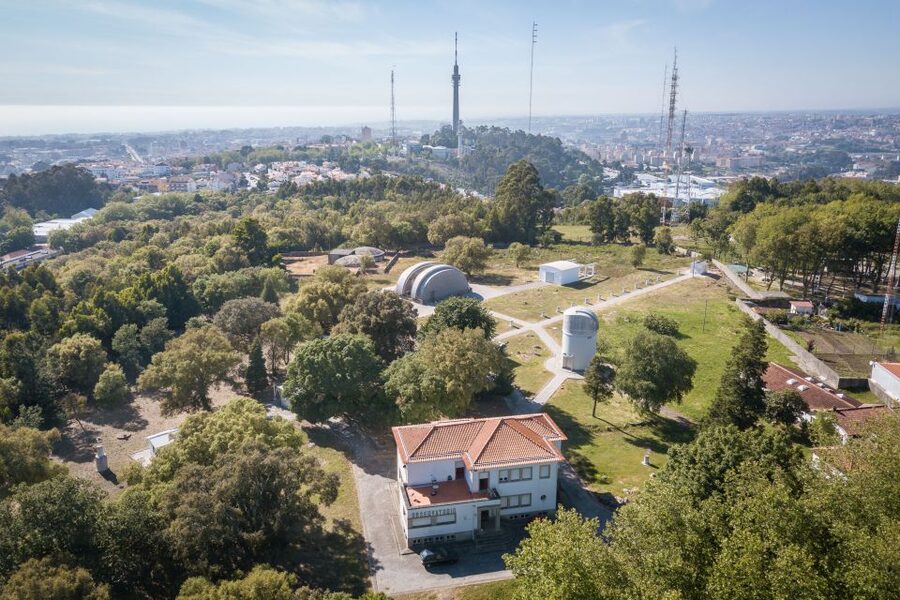
This visit is designed to be efficient. There are short walks and a single guided session that does the heavy lifting.
Another way to spend your time in Vila Nova De Gaia:
- Vila Nova de Gaia: Port Wine Tasting with Cheese Pairing
★ 4.8 · 1,074 reviews - Porto: 6 Bridges Port Wine River Cruise with 4 Tastings
★ 4.9 · 586 reviews - Porto: Luxury Yacht Tour of the 6 Bridges and Douro Estuary
★ 4.9 · 521 reviews - Porto: Pastel de Nata Cooking Class from Scratch
★ 4.9 · 468 reviews
Start point and first short walk
You begin at 4430-146. From there, it’s a 5 minute walk to the Astronomical Observatory in Gaia. That short approach time is useful. It gives you a moment to gather yourself, notice the setting, and shift from everyday travel mode into observation mode.
Guided tour inside the observatory
The guided tour lasts about 30 minutes. This is when you focus on the Mirror Meridian Circle and the logic behind the sky measurements. You’ll learn the history of the observatory’s purpose, how it supported Astronomy studies starting in 1948, and how the major instrument arrived nine years later.
Expect the guide to connect design choices with function. You’ll also hear why this particular equipment was so rare even at the time. The tour is built to answer the kind of questions most people have, including what the telescopes were used for then, and what you’re seeing their legacy in now.
Return walk
After the guided portion, you take a 5 minute walk again. It’s a calm exit. You’re not rushed into a big museum circuit. Instead, you leave with a clear mental model of what the observatory was made to do, and why the roof and instrument setup matter.
Price and value: is $17 worth it?
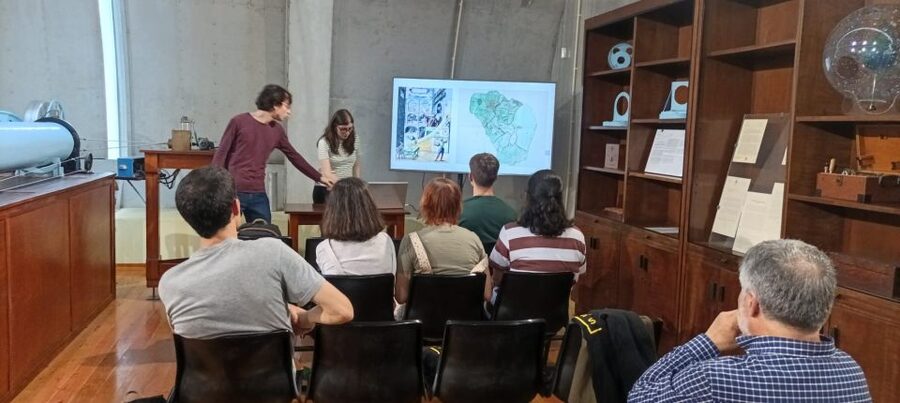
At about $17 per person for a 1 hour visit, the price is straightforward. The real question is what you get for that money, and here the answer is focus.
You’re paying for:
- a guided explanation in English,
- access to a rare observatory setting and its defining instrument,
- a strong “timekeeping through astronomy” theme.
Because the visit is short, it doesn’t try to sell you a long itinerary of unrelated stops. Instead, it spends the time explaining the Observatory of Gaia and its landmark Mirror Meridian Circle. For many travelers, that is exactly what feels like value: one good hour with a clear payoff in understanding.
If you’re traveling with limited time in Gaia or you want a different angle than churches and viewpoints, this is a good fit. It’s also appealing if you’re the type who likes practical science, not just big generalities.
The history of time, told through stars and instruments
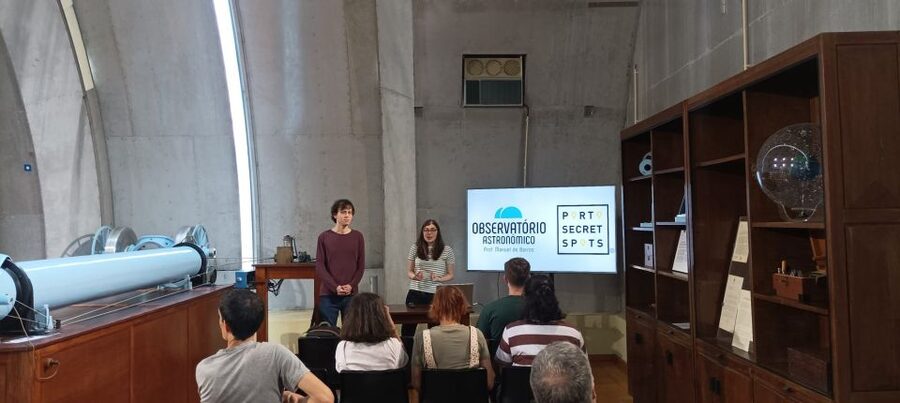
This observatory is built to measure time, and the tour structure reflects that. You’re not just told that astronomy helped clocks. You’re led through how an observatory can translate the sky into a time reference.
Think of it this way. Human timekeeping wants reliable markers. The sky provides regular motions, and Earth’s rotation offers predictable pathways for stars. The local meridian is one of those repeatable references. The Mirror Meridian Circle is designed to exploit that reliability, so astronomers can measure the moment a star crosses a line.
When the tour mentions that the observatory was created to complement studies at the Faculty of Sciences in 1948, it signals that this was never meant to be decorative. Then the landmark instrument arrived nine years later, turning the observatory into a site with real measurement capability.
The rare-in-the-world detail also changes the stakes. If there are only two more such instruments worldwide, you start to see the visit as a chance to understand a method that is not common. Even if you never become an astronomer yourself, you leave with respect for how carefully the process was designed.
Daytime viewing reality, and what to check if you want night stars
One of the clearest signals from past experiences is that night observing was not available for at least one booking. The equipment might not be scheduled for nocturnal sessions in every tour slot, even though the instrument is meant for observing stars.
So here’s the practical advice. If nighttime viewing is a must for you, confirm that your specific time slot includes nighttime access or observing. Do not assume that the roof open-to-the-sky design automatically means you will be shown through telescopes under dark skies.
This isn’t a dealbreaker for most people. If you enjoy learning how the measurement works, the daytime context can still be rewarding. But if your goal is mostly stargazing after dark, be careful.
Also remember the rules. Flash photography is not allowed, and video recording is not allowed. That keeps the experience focused, but it means you should plan to take photos responsibly or simply enjoy the view without aggressive camera use.
Who should book this Gaia observatory visit, and who should skip it
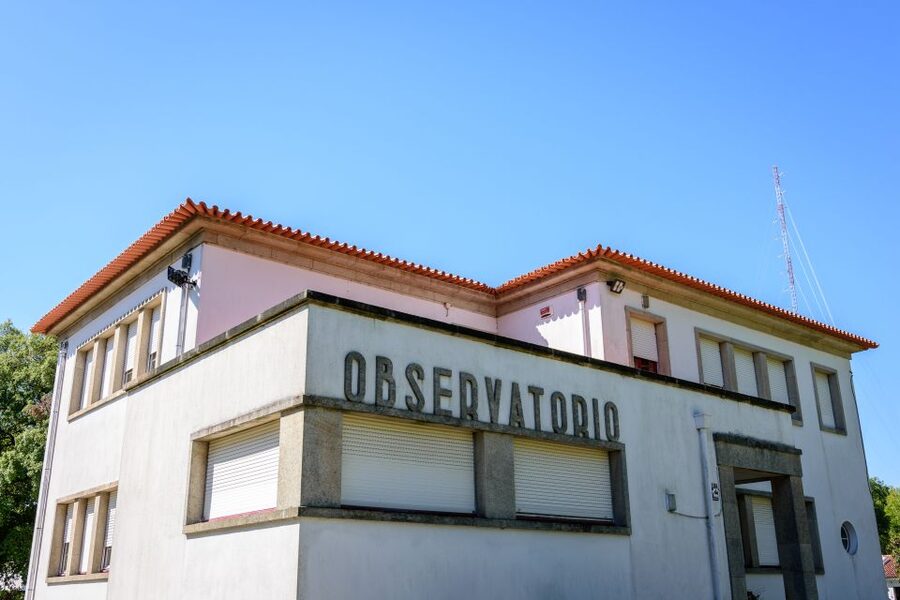
This is best for:
- people who love science explanations and want to connect mechanisms to real-world timekeeping,
- travelers who enjoy calm, focused tours rather than long busy attractions,
- anyone visiting Gaia who wants something different from the usual city circuit.
It is not suitable for children under 12. That’s worth respecting, because the content is designed as an educational visit for those old enough to follow the systems and the logic behind them.
If you’re traveling with mixed ages, plan the call based on attention span and interest in astronomy. A one hour guided tour can work well for older kids who are curious, but this specific activity does not include under-12s.
How to prepare, so you get the most out of that roof-opening moment
You can’t control the stars, but you can control how ready you are to learn.
Bring:
- comfortable walking shoes for the short 5 minute walks,
- an open mind about how time is measured using the sky,
- a willingness to listen, because the experience is built around the guide’s explanations.
Also, take the photography rules seriously. No flash photography. No video recording. It’s not just policy. It helps keep the environment right for observation and for your fellow visitors.
And if you’re hoping to photograph without flash, keep your expectations practical. Darker conditions may limit what you can capture, depending on your timing. The main value is understanding the instrument, not getting cinematic footage.
Should you book this Astronomical Observatory of Gaia visit?
I think you should book it if you want a short, well-guided, science-based experience with a rare instrument and a strong theme: how humans measure time by tracking the sky. It’s a good value at about $17 because you’re buying a concentrated hour of explanation by Physics students, plus access to a place with a roof-opening design built for precision.
Skip it, or at least confirm details first, if your top goal is nighttime stargazing. At least one past visitor was disappointed that night observing was not possible on their date. The roof opening is cool, but it does not automatically guarantee a telescope night session.
If you’re in Gaia with a couple of free hours and you like the idea of turning curiosity into understanding, this one is worth your time.
FAQ
How long is the visit to the Astronomical Observatory of Gaia?
The visit lasts about 60 minutes, including short walks and a guided tour portion.
Is the tour offered in English?
Yes, the visit will be in English.
What is the price per person?
The price is $17 per person.
Is this a good activity for children?
It is not suitable for children under 12.
Are flash photos or video recordings allowed?
No flash photography and no video recording are allowed.
Is night observing included?
The available information does not guarantee nighttime observing. One past booking noted the equipment was not available for night observations, so it’s smart to check your specific tour time.
Recently reviewed around Vila Nova De Gaia
- Porto: Shared Douro River Sunset Cruise with Welcome Drink★ 4.5 · 35 reviews
- Private Boat Tour 6 Bridges 1h30, group price up to 6px★ 5.0 · 3 reviews
- Porto: The Best Douro Boat Tour★ 5.0 · 14 reviews
- Porto: Taylor’s Port Cellar Tour & WOW Museum Pack★ 4.7 · 24 reviews
- Porto Riverbank Tour on an e-bike: Atlantic Coast, Gardens★ 4.7 · 11 reviews
- Porto: Private Sailboat Trip with Wine Tasting & Charcuterie★ 5.0 · 9 reviews
- Porto: Porto Bike Atlantic Route★ 5.0 · 4 reviews
- Porto: Museum of the Oldest Appellation in the World Ticket★ 4.5 · 11 reviews