
Reviewed · VIANA DO CASTELO TOURS
Museum of Decorative Arts – Viana do Castelo
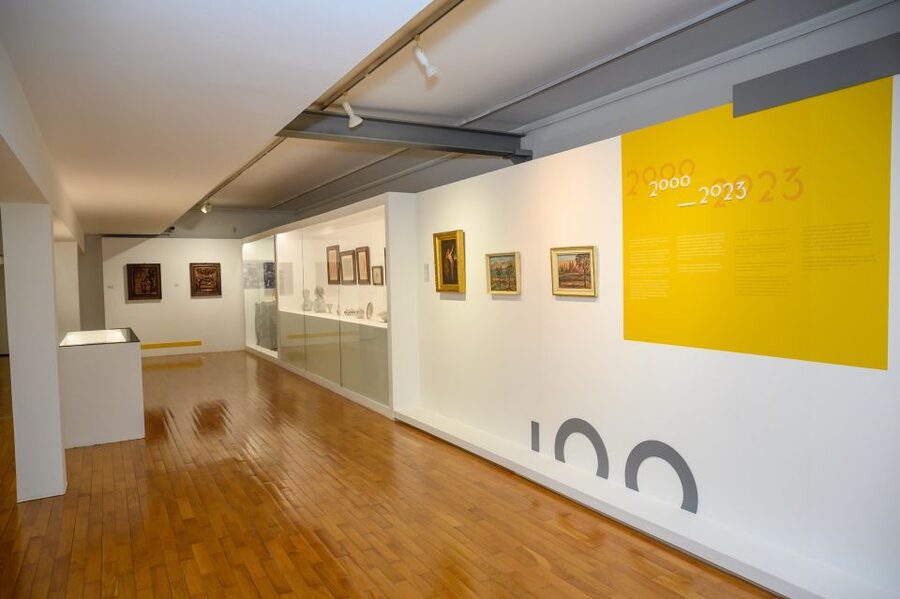
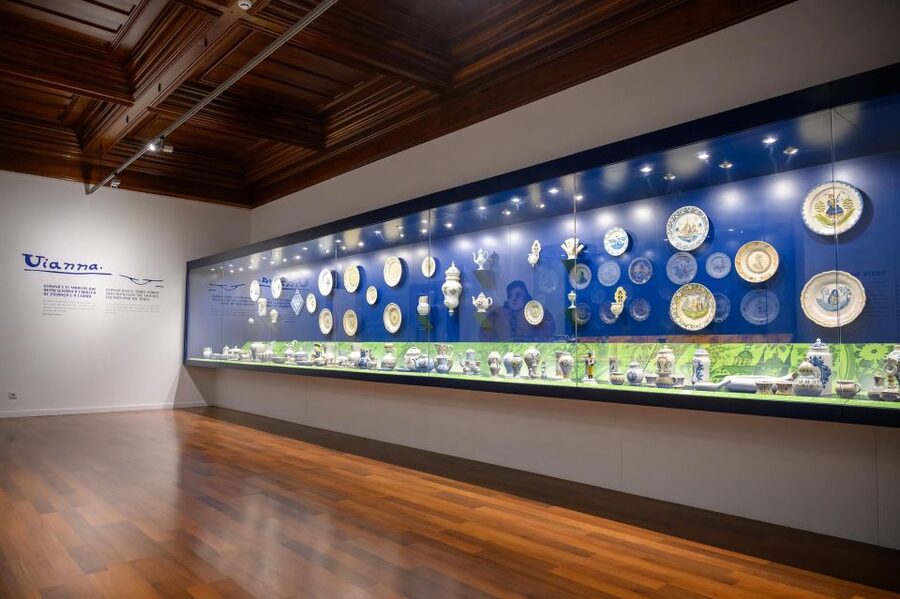
The Museum of Decorative Arts in Viana do Castelo is interesting because it lets you read Portugal through walls and floors, literally. The National Faience collection focuses on historic tiles, and that makes the museum feel like a visual time machine. I love the baroque tile cycles, especially the ones that play out across multiple rooms and the chapel. I also like how the exhibits connect ceramics to Viana’s life and work. One drawback to plan for, no food and drinks are allowed, so bring your appetite timing, not snacks.
On a practical note, you can do this in about one day, and the ticket also gets you into the Costume Museum. The museum is set up with large gallery spaces and descriptive audios, which is handy if you want context without rushing. Since the museum is Portuguese-language, you will get the most out of it if you can handle basic Portuguese or use the audios at your pace.
If you are into craft, art history, or the way everyday objects become cultural symbols, you are in the right place. You will see Valentim de Almeida-attributed tiles and works signed by Policarpo de oliveira Bernardes (1695 to 1778), plus themed rooms that point to Viana’s maritime vocation.
Key things to notice before you go
- National Faience focus: one of the most significant faience collections in Portugal, built around historic production and regional taste.
- Baroque tile storytelling: multiple rooms plus the museum chapel are covered in tile cycles, not just single display pieces.
- 18th-century Lisbon tiles: tiles on the main floor facing Largo de S. Domingos, with scenes tied to hunting, gardens, and the four continents.
- Artist signatures matter here: chapel tiles signed by Policarpo de oliveira Bernardes (1695 to 1778), so you can connect style to maker.
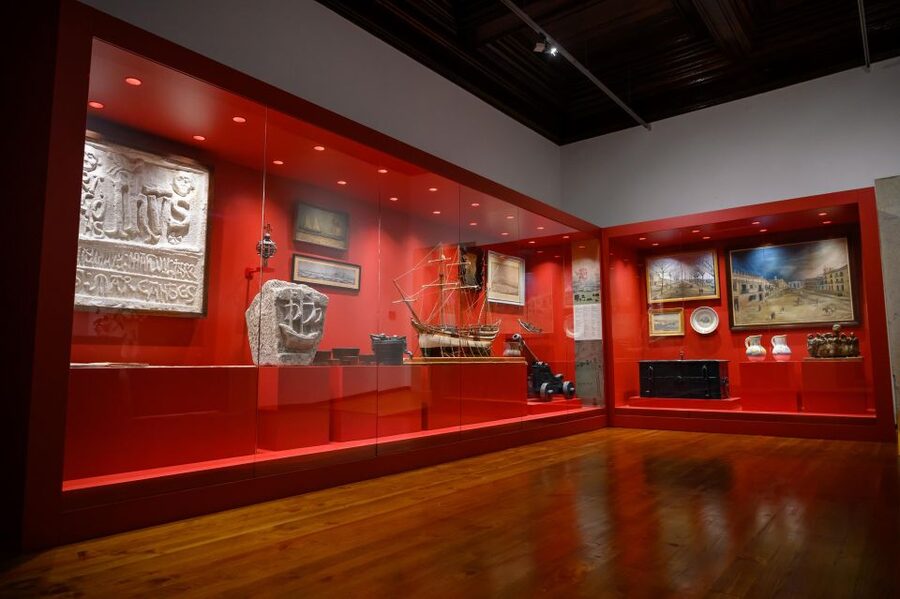
- Viana’s maritime angle: rooms on the main floor explain local history and Viana’s seafaring identity.
A ceramics-and-maritime museum in Viana do Castelo
This is not the kind of museum where you spend ten minutes in front of a painting and move on. The Museum of Decorative Arts is designed so the tiles become part of the architecture. You walk into rooms where the decoration carries the theme, and you start noticing how scenes repeat, how borders guide your eyes, and how the same technique can feel formal and lively at the same time.
One reason I like this stop is simple: you get big “aha” moments fast. Baroque tile cycles are meant to be read. In Viana, the museum builds that reading experience with themed rooms on the main floor, including displays that connect Viana’s identity to the sea. Even if you are not a ceramics nerd, you will still get the point. Tiles are not just decoration here, they are history in durable form.
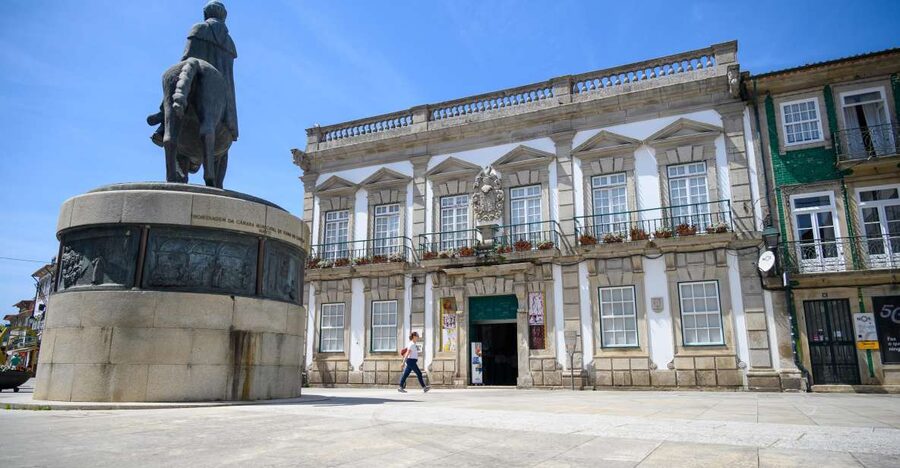
Also, the setting is practical. You are in the Norte Region, in Viana do Castelo, and the museum sits at Largo de S. Domingos, 4900-330 Viana do Castelo. That matters because you can pair it with other nearby sights without wasting your day traveling far.
More Viana do Castelo trips:
- From Porto: Viana do Castelo, Braga and Guimarães Day Tour
★ 4.7 · 475 reviews - Viana do Castelo: Kayak Tour at Lima River
★ 4.8 · 35 reviews - Santiago de Compostela & Viana do Castelo from Porto
★ 5.0 · 19 reviews
The National Faience collection, and why it is worth your time
The museum’s core strength is its National Faience collection, and it is significant not only for what it shows, but for what it explains. The story goes back to the reformist impulse in the second half of the 18th century. That period boosted ceramics production and helped create manufacturing centers in several places. So the museum is not only displaying finished objects, it is showing why that kind of industry took off.
When you look at the tiles, try to think in layers. First, there is the craftsmanship. Faience is all about surface, color, and controlled decoration. Then there is the cultural layer. These were made for rooms that needed to feel “right” in public and in private. Finally, there is the historical layer. You can see how Lisbon production influenced tile styles across regions.
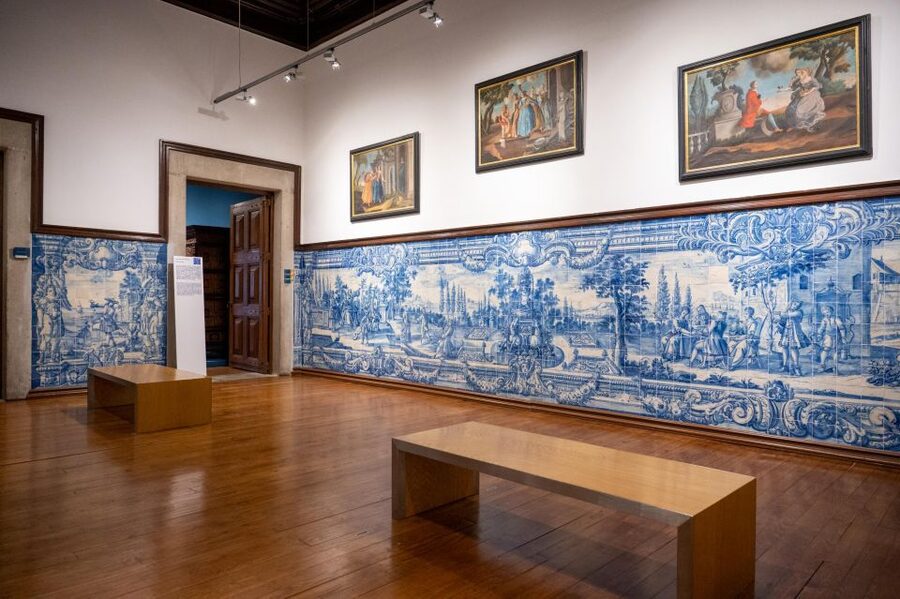
In the museum, the main-floor rooms facing Largo de S. Domingos hold 18th-century tiles made in Lisbon. They are attributed to Valentim de Almeida, and they cover a baroque theme that includes the four continents, plus hunting and garden scenes. That mix is a big clue to what people wanted to see and communicate: the world, mastery over nature, and refined leisure.
Baroque tiles in three rooms, plus what to look for in the scenes
You will spend your time in the main exhibition rooms where the tile work is arranged to create a sense of narrative and atmosphere. The highlights call out baroque tiles in 3 rooms and the museum chapel, so you are not looking at a single wall panel and calling it a day. In practice, that means you can shift from room to room and keep finding new details without feeling like you are repeating the same view.
In the Lisbon-attributed collection, pay attention to how the themes are distributed. The four continents theme is especially good for training your eye. You might find it helpful to start by locating the continents in the overall layout, then zoom in on smaller elements like figures, animals, or border motifs. Hunting scenes often emphasize motion and hierarchy, and garden scenes tend to feel more controlled and ornamental. Together, they suggest a baroque fascination with order plus spectacle.
A practical tip: take a minute to stand back in each room before you move close. Tiles can look flat up close, then suddenly become composition when viewed from across the space. If you rush straight to detail, you miss that design rhythm.
If you are short on time, the “main-floor facing Largo de S. Domingos” rooms are the safest bet for your first pass. They are where the museum’s strongest 18th-century tile atmosphere is concentrated.
The museum chapel and Policarpo’s biblical tiles
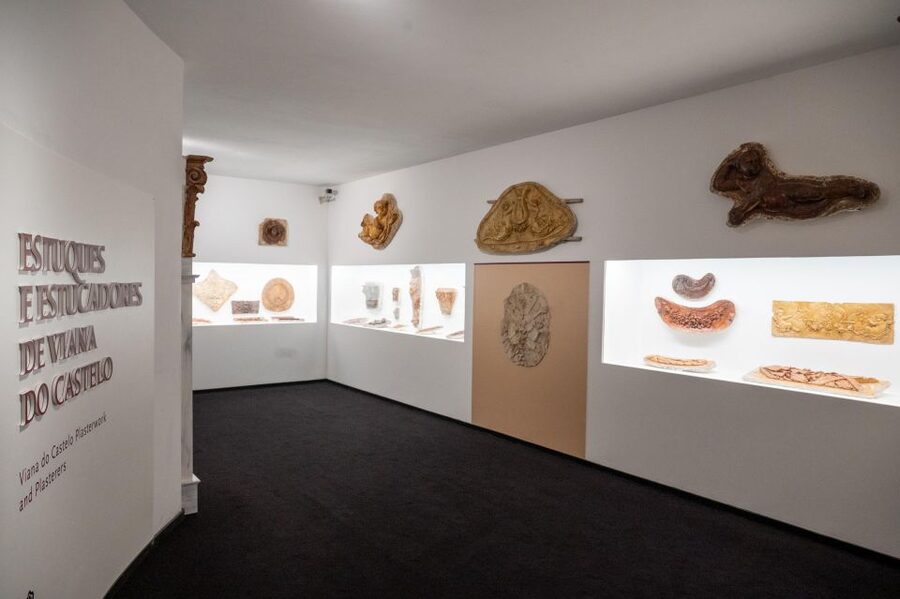
The chapel is one of those spaces that makes the museum feel more than a catalog of objects. Since the chapel is also covered with historic tiles, you experience the art as something built into a place, not just displayed on panels.
Here, the museum points you toward a specific creator: the biblical-themed tiles are signed by the painter Policarpo de oliveira Bernardes (1695 to 1778). That signature detail matters. When you can connect a long-running visual style to a known artist, your visit becomes more than “pretty tiles.” It becomes a chance to see how one painter’s work fit into the larger decorative culture of the time.
If you want to get value from this section, slow down in the chapel. Don’t just scan. Read a few scenes like you are looking at a story panel. Notice how the biblical themes are treated as visual scenes that belong on architectural surfaces. Also notice how the chapel’s setting changes your perception of color and contrast, because the lighting and room shape can make the tiles feel more dramatic than they would in a bright hall.
This is the part of the museum I would prioritize if you only have a short window. The chapel tiles give you that “why this exists” feeling.
A few other ways to explore Viana do Castelo
- Viana do Castelo Costume Museum
★ 4.7 · 13 reviews - Porto: Cálem Cellar Tour, Interactive Museum & Wine Tasting
★ 4.5 · 4,113 reviews - FC Porto: Museum & Tour
★ 4.6 · 2,826 reviews - Porto: Entry Ticket at WOW – The Wine Experience Museum
★ 4.7 · 356 reviews
Rooms that explain Viana’s history, and its maritime vocation
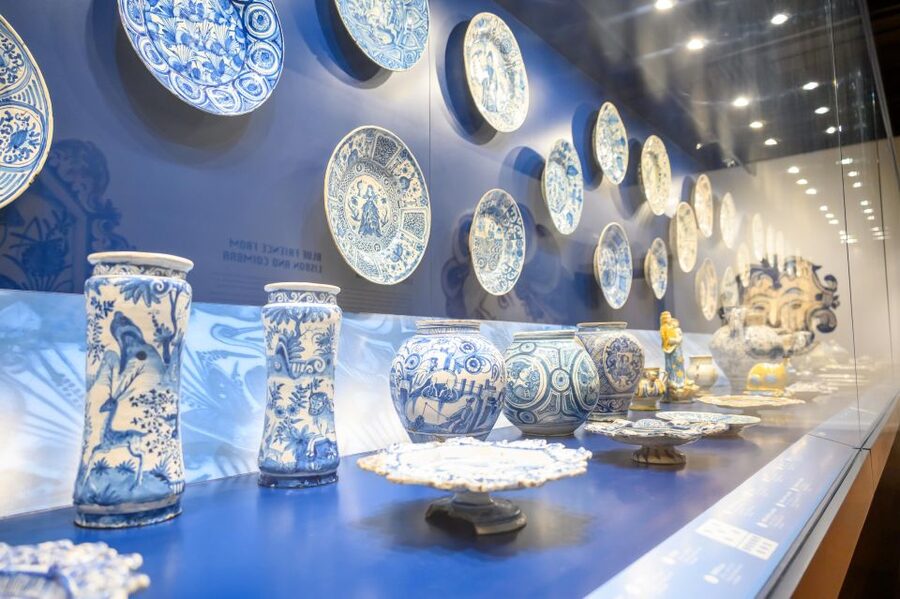
One of the most useful parts of this museum is how it turns ceramics into context for a local story. The highlights note rooms that tell the history of Viana and its maritime vocation. That phrasing is important because it means you are not only learning about tiles in general.
Viana’s relationship with the sea is not just a trivia point. It helps explain why certain kinds of art, production, and public identity mattered. A maritime town shaped by trade and travel tends to absorb influences, and the museum uses that logic through its display themes and historical framing.
So while the tiles are the star, the surrounding rooms do work you will feel later. They help you connect the decorative scenes to the kind of world Viana was plugged into. When you leave, you are more likely to remember the museum for its idea, not only its images.
If you like museums that explain how art connects to community life, make sure you allocate time for these history-focused rooms. If you skip them, you may still enjoy the tiles, but you will miss the deeper reason they are there.
The Costume Museum included with your ticket
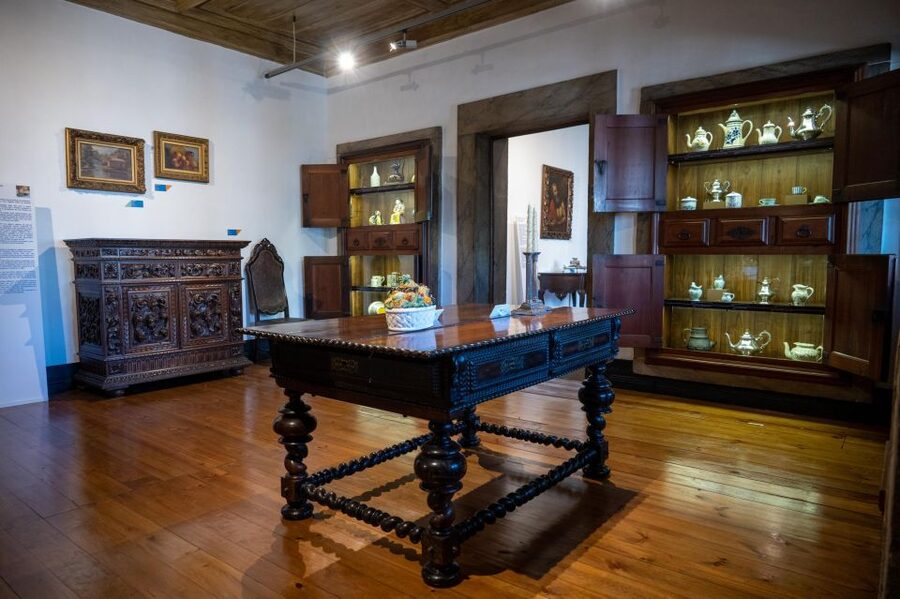
Your ticket does not stop at decorative arts. It also includes access to the Costume Museum. This is a smart value move, because it broadens the same theme of history and daily life. Instead of learning through ceramics, you learn through clothing and social customs.
One review singled out the display of old weddings, dowries, and how courting worked without physical contact. Even if that is not your top interest, it is a strong clue to the Costume Museum’s tone. It is not just about fashion as style. It is about fashion as social structure and custom.
If you enjoy people-based history, this part will anchor the visit. Tiles can feel like “big culture,” while costumes can feel grounded, human, and specific. The pairing works because both are ways societies expressed identity.
When you plan your day, I suggest you do the Decorative Arts sections first, then shift into the Costume Museum while your attention is still awake. You will get more out of the contrasts. Tiles tell you what a room tried to communicate. Clothes tell you how people lived and marked important moments.
Plan your day: pacing, timing, and how to not feel rushed
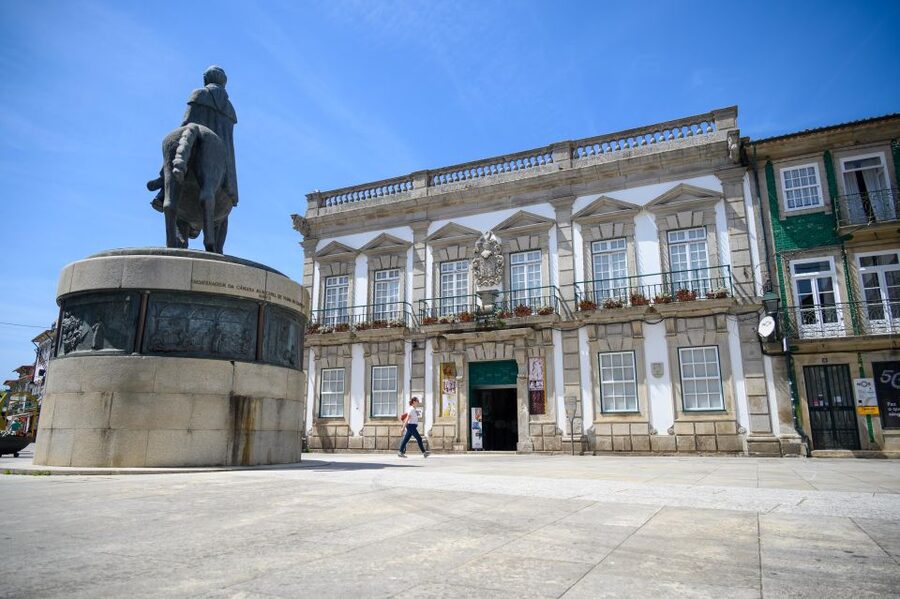
The visit is described as valid for 1 day, and you are meant to check availability for starting times. In real terms, that means you should arrive ready to choose a rhythm. If you go too fast, you miss the design logic. If you go too slow, you might end up fatigued before you reach the chapel.
A good pacing approach is simple:
- First pass: orient yourself in the main floor rooms and locate the best tile cycles.
- Second pass: spend extra time in the chapel, since it is a different atmosphere and has the signed biblical tiles.
- Final pass: switch to the Costume Museum while the social history theme is still fresh in your mind.
Because this is all under one roof, group size is not really the issue. The issue is your attention span. Tiles invite you to keep looking, which is fun, until it turns into a time trap. So set a gentle goal: see the main tile rooms, then commit to the chapel, then take your time with costumes.
If you want flexibility, the booking options include free cancellation up to 24 hours in advance and a reserve now and pay later option. That makes it easier to hold your spot while you sort out timing in Viana.
Museum rules and practical etiquette that matter
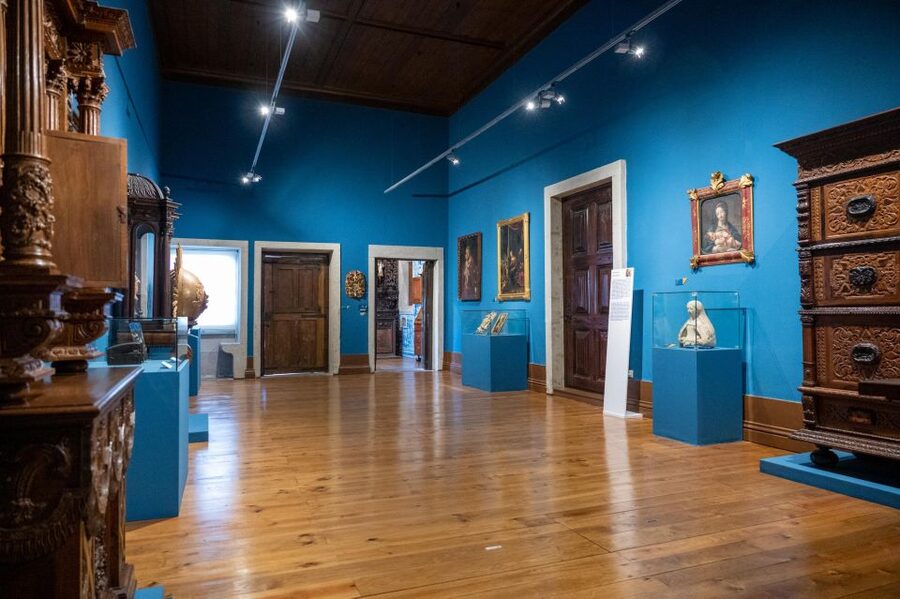
Museums have rules for a reason, and here the rules are straightforward. Food and drinks are not allowed, and flash photography is not allowed. Neither rule is complicated, but they do affect how you plan your comfort.
For food and drinks, it means you should plan water or a snack stop before you arrive, then treat the museum like a clean, focused space. For photos, you can still take pictures without flash. If you are trying to capture tile details, do it early in your visit, when you are fresh and the light feels consistent.
Also, languages are listed as Portuguese. That does not mean you cannot enjoy the museum in English at all, but it does mean the interpretive experience is likely best if you can follow Portuguese text or use the descriptive audios as your guide.
On the helpful side, there is access for people with reduced mobility and the museum has a nursery. There are descriptive audios, and the host or greeter is Portuguese. That points to a museum experience that is organized and visitor-friendly, not chaotic.
Price and ticket value at about $2.83 per person
At $2.83 per person, this is one of those deals that feels almost too good for the amount you get. You are paying for the Decorative Arts galleries plus the Costume Museum, in large exhibition rooms with described context and audios.
What makes the value especially strong is that the museum’s highlight is not a small artifact behind glass. The highlight is the decoration itself. Baroque tile rooms and a chapel mean you are spending time in an environment. That is harder to replicate anywhere else, and it is why the value feels real.
Also, if you like museums that connect local identity to a broader world, the museum does that. The tile themes include the four continents, and the museum framing connects Portugal’s ceramics industry growth to 18th-century reformist impulses. So even at a low price, you are not just buying entry, you are buying a guided-feeling experience through visual storytelling.
The only “value risk” is time. If you only have a quick stop and you skip the chapel or the history rooms, you might feel like you paid for things you did not fully use. If you can give it a calm day pace, the value becomes obvious.
Who should visit this museum, and who might skip it
You should go if you:
- Love tiles, ceramics, or decorative arts and want a room-based experience.
- Want local Portuguese history tied to Viana’s identity and maritime vocation.
- Like museums where art connects to daily life, since the Costume Museum is included.
You might skip it if:
- You only enjoy museums with short attention spans and prefer modern art, because here the focus is historic design and narrative through decoration.
- You need easy English-language interpretation and you are not comfortable using Portuguese audios or reading Portuguese text.
For families, it is also worth considering because there is a nursery and wheelchair access. Just remember no food and drinks means plan snacks outside the galleries.
If you are already doing other cultural stops in Viana do Castelo, this museum is the kind of place that makes your day feel “complete,” not because it is big, but because it is specific.
Should you book the Museum of Decorative Arts in Viana do Castelo?
Yes, if you are in Viana do Castelo for a full day and you enjoy visual history. The low price, the National Faience strength, and the chapel with Policarpo de oliveira Bernardes signed biblical tiles make it a strong choice. The Costume Museum inclusion adds an extra layer, especially if you like how social customs show up in clothing and ceremonies.
If you are unsure, I would base your decision on one thing: can you handle an experience where the “main attraction” is the room itself? If that sounds like your style, book it. If you only want quick highlights, you might still enjoy it, but you will get more by giving it the time it asks for.
FAQ
How much does the Museum of Decorative Arts in Viana do Castelo cost?
The price is listed as $2.83 per person.
How long is the experience?
The experience duration is listed as 1 day.
What are the main highlights?
The highlights include a magnificent collection of National Faience, baroque tiles in three rooms and the museum chapel, and rooms that explain the history of Viana and its maritime vocation.
Does the ticket include anything besides the decorative arts museum?
Yes. The ticket also allows access to the Costume Museum.
Is the museum wheelchair accessible?
Yes, the museum is listed as wheelchair accessible and has access for people with reduced mobility.
Are food and drinks allowed inside?
No. Food and drinks are not allowed.
Can I take photos with flash?
No. Flash photography is not allowed.
What languages are available?
The listed language is Portuguese.
Is there free cancellation?
Yes. Free cancellation is available, and you can cancel up to 24 hours in advance for a full refund.
When should I arrive, and are there specific starting times?
The ticket is valid for 1 day, and you should check availability to see starting times.
Recently reviewed around Viana do Castelo
- Oporto Airport to Viana do Castelo★ 5.0 · 7 reviews
- Viana do Castelo Costume Museum★ 4.7 · 13 reviews
- From Porto: Viana Castelo and Ponte Lima Private Tour★ 4.9 · 12 reviews
- Minho Tour small group, Braga, Ponte de Lima, Viana, Vinho Verde Winery & Lunch★ 5.0 · 18 reviews
- Santiago de Compostela & Viana do Castelo from Porto★ 5.0 · 19 reviews
- Viana do Castelo: Kayak Tour at Lima River★ 4.8 · 35 reviews
- From Porto: Viana do Castelo, Braga and Guimarães Day Tour★ 4.7 · 475 reviews
Viana do Castelo Tours, compared.

Santiago de Compostela & Viana do Castelo from Porto
Read our review →
Minho Tour small group, Braga, Ponte de Lima, Viana, Vinho Verde Winery & Lunch
Read our review →

Browse the lists this tour appears in