
Reviewed · MUSEUMS
Porto: Entry Ticket at WOW – Planet Cork Museum
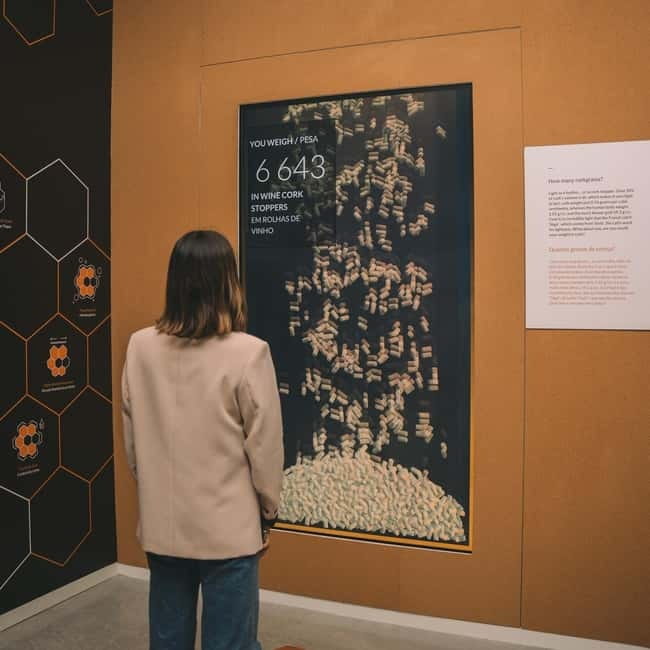
Porto has plenty of serious culture, but Planet Cork Museum at WOW gives you something different: a playful, practical look at why cork matters, from the forest to space-age materials. It is part education, part hands-on science, and it feels built for real people, not just museum fans.
I especially like the sensory start. You get to touch and smell raw cork right away, so the story clicks fast. I also love that you make a custom cork stopper to take home, which turns the visit into a memory you can actually use.
One consideration: at $20 per person, this can feel a little pricey for a 1.5-hour stop, even though the hands-on elements add real value.
Key highlights you will actually care about
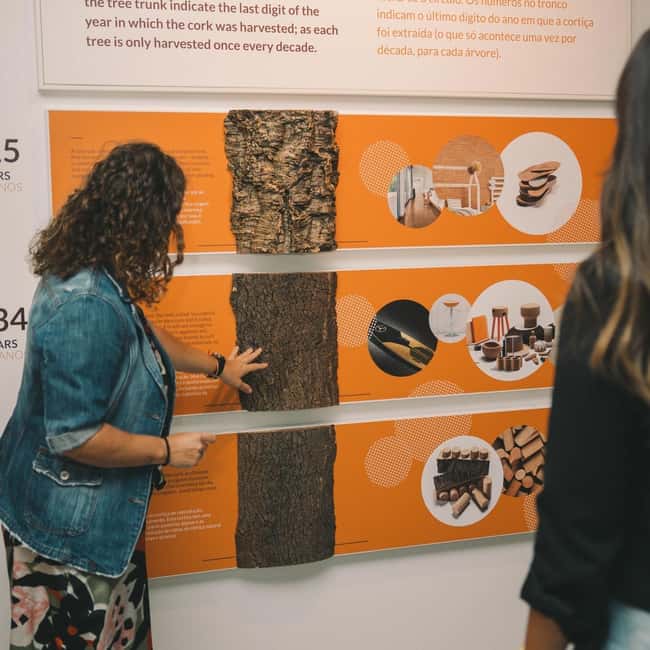
- Touch-and-smell cork first so the material becomes real, not just something you read about
- Hands-on stopper making gives you a take-home souvenir with actual meaning
- Cork harvest explained simply, including the fact that it happens about every nine years
- Big range of uses, from wine bottles to architecture, fashion, automotive, and aerospace tech
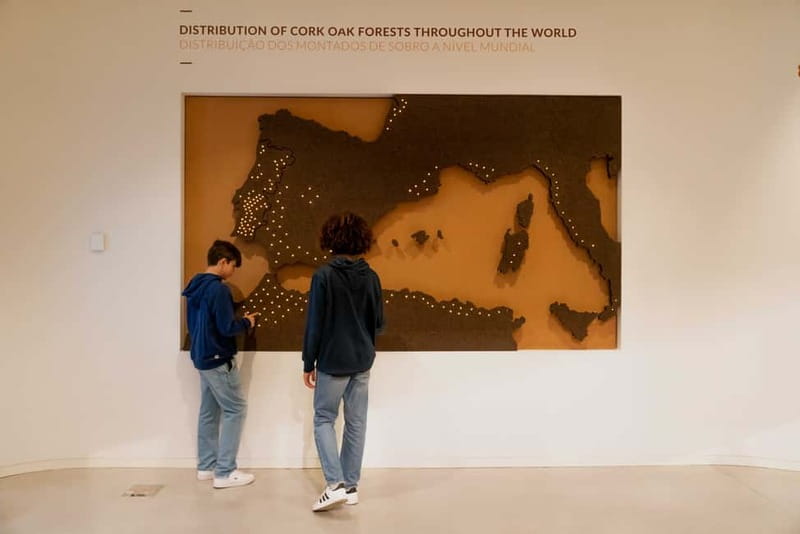
- Eco story with specifics, like biodiversity in cork oak forests and cork’s climate impact claims
- Easy entry with QR if you have a digital ticket, which helps when you are moving through Porto
A cork museum that starts with your hands (and your nose)
Planet Cork Museum, run by The World of Wine (WOW), is one of those Porto experiences that quietly earns its place. You walk in expecting displays, but you leave thinking about cork as a material with a job to do, not just a plug for a wine bottle.
The format is friendly and family-friendly without being dumbed down. From the moment you enter, the museum guides you toward cork as a sensory experience. You will see cork up close, and you will get to touch it and smell it as part of the introduction. That matters because cork is all about texture and air pockets. When you experience the feel early, the later science and sustainability sections land better.
This is also where the museum’s “tradition meets innovation” approach pays off. It is not only nostalgia about Portugal’s cork legacy. It is about how cork is still being engineered, reinvented, and used in modern industries.
A few other ways to explore Porto
- FC Porto: Museum & Tour
★ 4.6 · 2,826 reviews - Porto: Entry Ticket at WOW – The Wine Experience Museum
★ 4.7 · 356 reviews - Porto: 3D Fun Art Museum Porto Entry Ticket
★ 4.6 · 302 reviews
How entry works at Planet Cork in Porto
Your visit is straightforward. You start by showing your ticket directly at the Planet Cork. The experience then runs for about 1.5 hours, and you can use your ticket on the selected date during museum opening hours.
A couple practical notes help you plan:
- Planet Cork is open daily from 10:00 AM to 07:00 PM (last entrance).
- Bank holiday hours can vary, so it is smart to check the official website before you go.
- You are not locked into a long tour schedule, but you should still check available starting times since the duration is set.
If you are short on time, plan this as a focused indoor activity. It is a good fit when you want something interesting that does not depend on good weather, and it slots neatly into a Porto day.
The sensory introduction, where cork stops being abstract
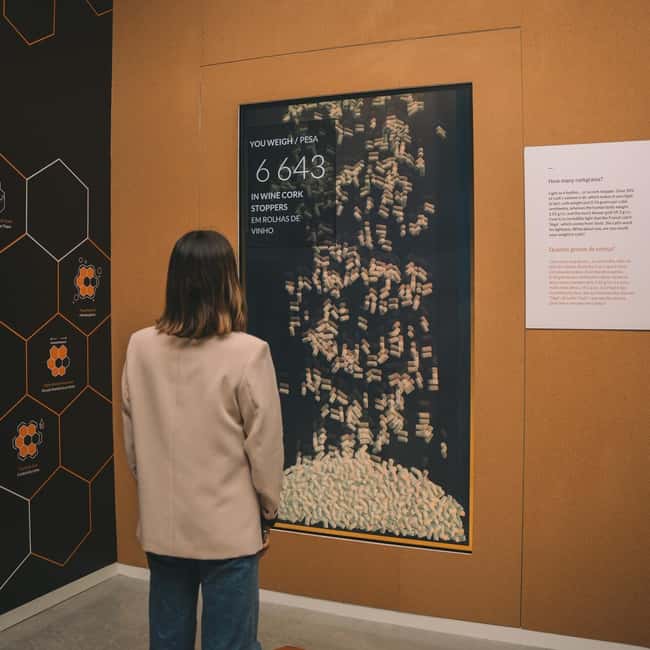
The first part of your visit is designed to get you oriented fast. You begin with a hands-on, sensory introduction to cork. That means touching the raw material, smelling it, and seeing how cork behaves before you get the deeper story.
Why I think this approach works:
- You understand cork better through texture, not just explanation.
- Smell and touch create memory. Later when you hear about structure and harvesting, it feels less like a lecture.
- It reduces the learning gap between adults and kids. Everyone participates.
You also learn how cork is harvested by hand from the bark of the cork oak tree. The museum highlights a key point: harvesting happens without harming the tree, and it is repeated every nine years. That rhythm is important. It is not a “take once and move on” industry. It is a renewable cycle.
Cork harvest and the idea of a renewable cycle
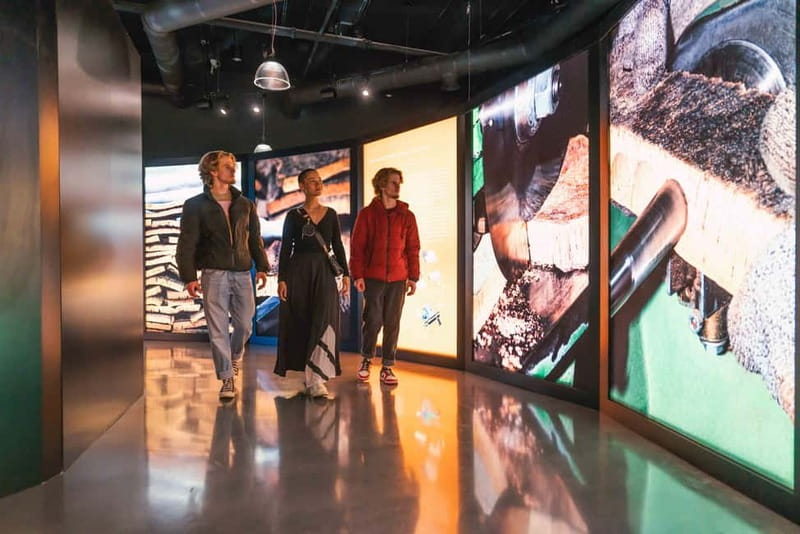
After the sensory start, the museum moves into the process. You will learn that cork comes from the bark of cork oak trees, and that the harvesting is done by hand. The repeated cycle every nine years is one of the most useful facts in the experience, because it frames cork as something you can manage sustainably rather than something you only extract until it runs out.
This section also supports a larger point the museum keeps returning to: cork oak forests are not just scenery. They are part of a system. Cork harvesting is presented as an industry that avoids harming the tree, which is a core reason cork production is often compared favorably with materials that depend on one-time extraction.
If you like conservation topics but you do not want heavy theory, this is a good middle ground. You get clear, digestible ideas, tied to a real material.
Another way to spend your time in Porto:
- The Unvanquished Tour in Porto City Center
★ 5.0 · 26,497 reviews - From Porto: Douro Valley w/ Boat Tour, Wine Tasting & Lunch
★ 4.7 · 19,061 reviews - Complete Douro Valley Wine Tour with Lunch, Wine Tastings and River Cruise
★ 5.0 · 12,920 reviews - Porto: Live Fado Show with Glass of Port Wine
★ 4.8 · 6,498 reviews
Why cork is used everywhere, from bottles to aerospace
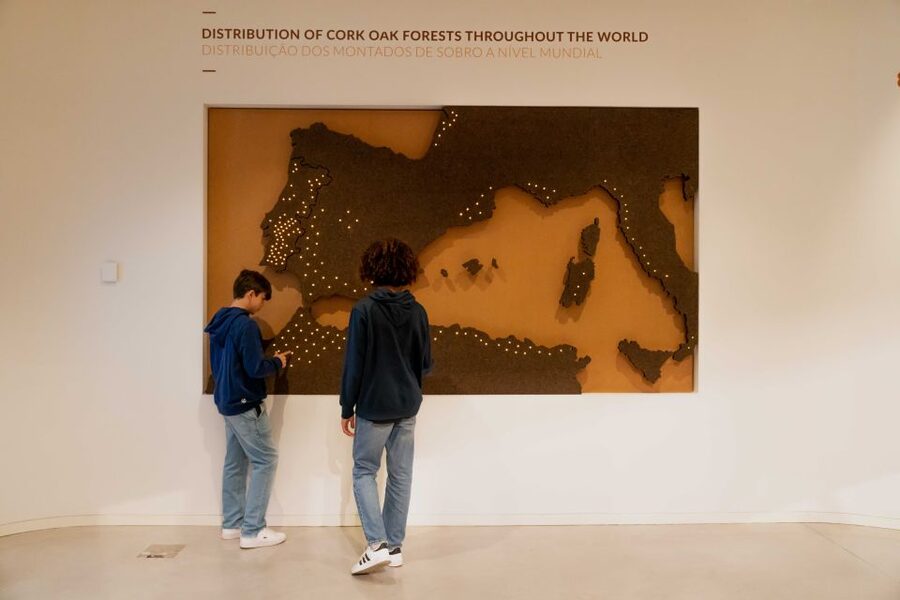
This is where you will likely get the biggest “wait, really?” moments. The museum lays out cork’s versatility through interactive displays and multimedia content.
You will see how cork is used in:
- Classic wine stoppers
- Applications in architecture
- Fashion and design contexts
- Automotive uses
- Even aerospace technology
That list is not random. It is meant to show that cork’s structure, especially its air-filled properties, can be useful for insulation, cushioning, and performance. When you connect the material’s physical traits to these modern uses, the museum’s “tradition meets innovation” theme stops feeling like marketing.
For you, this means the museum works even if you do not care about cork as a Portugal tradition. If you are interested in how everyday materials become engineered products, you will still enjoy it.
Cork oak forests and the eco story you will remember
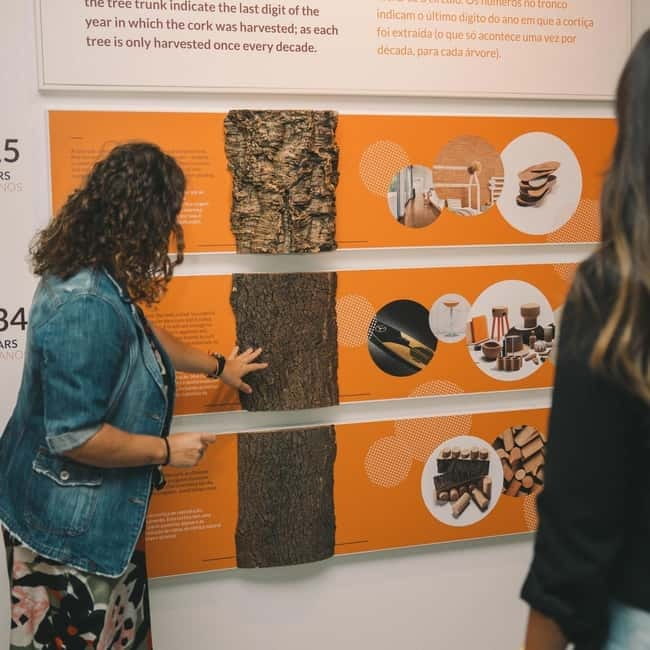
The museum spends real time on cork’s environmental angle, and it gives you concrete ideas to carry home.
You learn that cork production is tied to cork oak forests, which are described as:
- Home to rich biodiversity, including birds and mammals, plus insects and fungi
- A carbon sink, supporting climate benefits
- A rare example of a carbon-negative industry, based on the museum’s explanation
You do not need to agree with every global claim to appreciate the underlying point: cork forests function like living ecosystems, and cork harvesting is presented as compatible with keeping those ecosystems in place.
If you care about sustainable travel, this section is also useful. It helps you connect what you see in Portugal to the broader world of materials, supply chains, and environmental tradeoffs. It is the kind of lesson that makes a museum feel relevant, not just decorative.
Portugal’s cork legacy, explained without getting stuck in the past
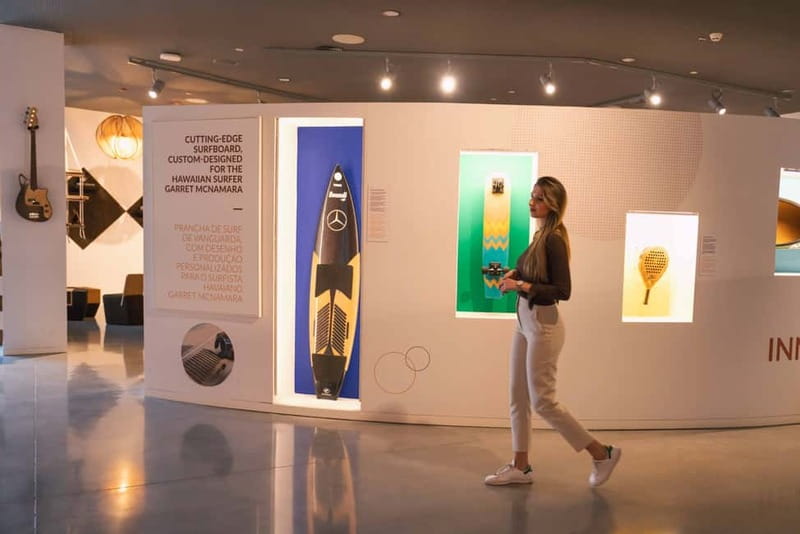
Cork is one of Portugal’s most recognizable industries, and the museum uses that pride in a practical way. It explains that Portugal produces over 50% of the world’s cork supply, and it connects the material to generations of craftsmanship.
This matters because it prevents the experience from turning into only a science exhibit. You also get the human side, the local tradition, and the reason this small material has become so tied to Portuguese identity.
Still, the museum keeps it moving. You are not stuck reading dates. Instead, you bounce between sustainability ideas, modern applications, and the heritage of harvesting and craftsmanship. It is a good balance for different learning styles.
Make your own cork stopper, the best take-home souvenir
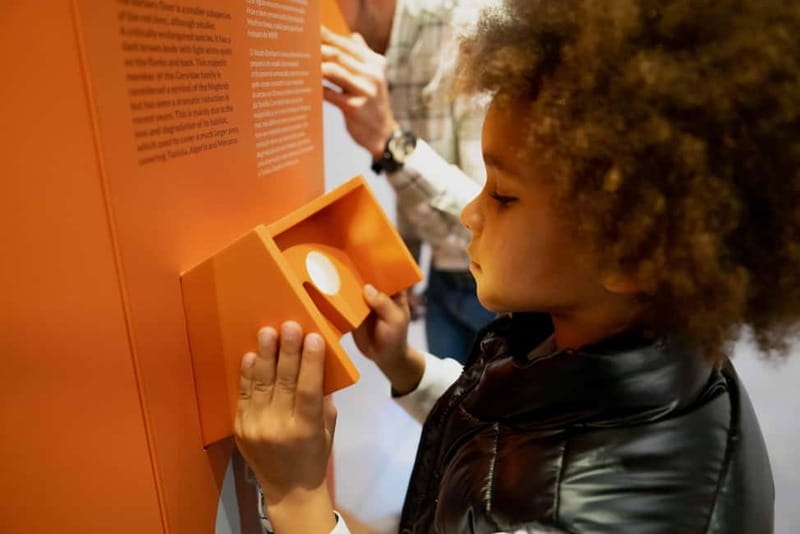
The hands-on workshop is the part you should plan around your energy level. You will design and create your very own cork stopper to take home.
For me, this is where the museum converts information into something personal. You spend your time learning about cork’s structure and uses, then you produce an object that reflects what you learned. It also avoids the common problem with some museums: you leave with photos but no real memory.
A few tips if you want to get the most out of the stopper session:
- Take your time with your design, even if you feel rushed. The experience is only about 1.5 hours total.
- If you are traveling with kids, this is the section most likely to keep them engaged until the end.
- Think about cork beyond wine in your head while you work. The museum’s point is that cork is useful in many industries.
Who this experience is best for in Porto
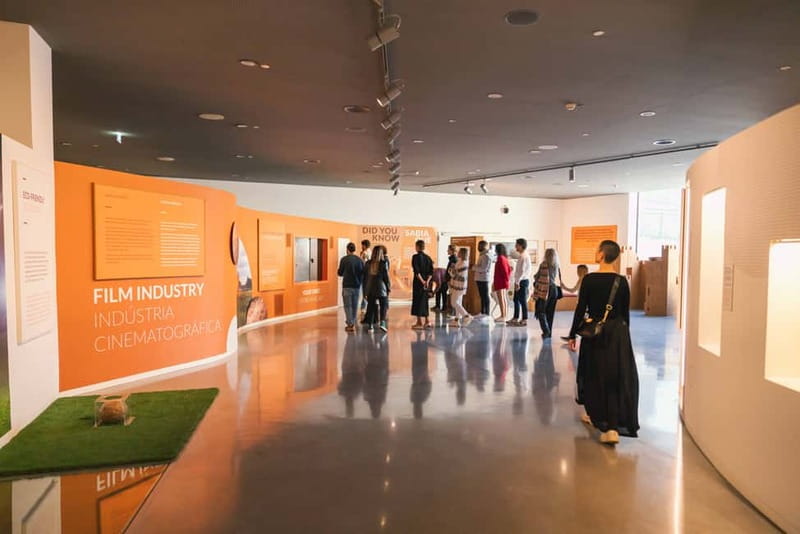
Planet Cork Museum is a smart choice if any of these sound like you:
- You want an indoor activity in Porto that still feels lively
- You like sustainability topics but want them explained in plain language
- You are curious about how materials work, not just where they come from
- You want a family-friendly activity that includes hands-on time
- You like museums with a take-home element
It is also a good solo stop. You can enjoy the sensory introduction and the interactive displays without needing a group. Just plan to stay focused for about 1.5 hours so you do not cut the stopper part short.
Price and value for a 1.5-hour cork workshop
Tickets are $20 per person. On paper, that sounds like a normal museum price. In practice, the value depends on what you expect.
Here is the honest way I would weigh it:
- If you only want a quick look at exhibits, you might feel the price is high for 1.5 hours.
- If you want the sensory cork portion, the interactive learning, and the make-your-own stopper, the ticket buys more than a static viewing experience.
- The take-home cork stopper is a real cost component. It is not just a cheap souvenir bin item.
I also think the museum is best when you treat it as a full mini experience, not something you squeeze between other stops without attention. Give it your focus, and it feels worth it. Rush through it, and you may wonder where the money went.
Practical tips to make your visit smoother
A few small things can improve your day:
- Aim for an earlier or mid-day slot if you can. Last entrance is 7:00 PM, so it is easy to end up later in the evening if you are touring Porto slowly.
- Bring comfortable shoes. You are moving between interactive sections.
- If you have a digital ticket, use the QR option at the entrance if that is how you booked. People have found it convenient to pay in an app and then scan a QR to enter.
Also, keep in mind that opening hours on bank holidays can vary. Check ahead so you do not get stuck outside.
Should you book Planet Cork Museum at WOW?
Book it if you want a fun, hands-on Porto stop that teaches you something real about sustainability and materials. The sensory opening and the make-your-own cork stopper are strong reasons to go. You will leave with a better understanding of cork oak forests, why cork harvesting is described as repeatable every nine years, and why cork shows up in everything from wine to aerospace.
Skip or reconsider if you are price-sensitive and you prefer museums where you can roam for longer than 1.5 hours. At $20, you want to commit to the experience, not just sample it.
If you are already excited about cork or Portugal’s industries, you will probably feel happy you went. If you are on the fence, treat this as an activity that you do for the hands-on learning, not as a quick photo stop.
Recently reviewed around Porto
- Tour Porto: Adventure in Electric Bike Tour★ 4.3 · 11 reviews
- Porto: Tuk tuk Tours with Port Wine Tasting★ 4.5 · 65 reviews
- Tour Porto: Classic Adventure in Electric Tuk Tuk★ 4.7 · 33 reviews
- Tour Porto: Classic Car + A Toast with Port Wine★ 5.0 · 3 reviews
- The Beautiful Story of Porto: Guided Tour with Entry Tickets★ 4.8 · 111 reviews
- From Porto or Aveiro: 516 Arouca Suspended Bridge Tour★ 5.0 · 3 reviews
- Rent an Electric Bike with Bosch motor★ 4.5 · 3 reviews
- Self-Guided Bike to Surf”N”Food Pack★ 4.6 · 13 reviews
Museums, compared.
Cálem Cellar Tour, Interactive Museum & Wine Tasting
Read our review →

Entry Ticket at WOW – The Wine Experience Museum
Read our review →
Fafe: Entry Ticket to Rally Museum with Free Sticker
Read our review →
National Museum Soares dos Reis E-Ticket & City Tour
Read our review →Browse the lists this tour appears in